
5 Best Temples for a Morning Zazen Experience in Japan
5 Best Temples for a Morning Zazen Experience in Japan
Sitting quietly in a temple before sunrise, focusing on nothing but your breath -- it is the perfect reset before a day of sightseeing. This guide compares five temples across Japan where beginners can try morning zazen (seated Zen meditation): Engakuji, Nanzenji, Daihonzan Eiheiji, Sotoshu Shumuchou, and Kasuisai. We cover session times, reservation requirements, duration, fees, and extras like calligraphy and tea.
Sitting quietly in a temple before sunrise, focusing on nothing but your breath -- it is the perfect reset before a day of sightseeing in Japan. This guide compares five temples where beginners can try morning zazen (seated Zen meditation): Engakuji, Nanzenji, Daihonzan Eiheiji, Sotoshu Shumuchou, and Kasuisai. For each one, we break down session times, reservation requirements, duration, fees or donations, and what other experiences come with it.
We also sort out the things that trip people up before their first session: etiquette, what to wear, how early to arrive. Whether you are traveling solo, squeezing the experience into a packed itinerary, or genuinely want to go deep, there is a recommendation here for you (if you are planning your first solo trip to Japan, our beginner's guide to solo travel is worth a read too). Morning zazen is far less intimidating than it sounds. Most temples welcome beginners and offer options like hankafuza (half-lotus position) or chair zazen for those who cannot sit cross-legged.
Temple events shift frequently, so this article is maintained with updates from 2024 through 2026. The author's firsthand descriptions draw on visits and verified public information from that period. Always double-check the latest schedule on each temple's official site before you go.
What Is Morning Zazen? The Basics Every Beginner Should Know
"Morning zazen" means sitting in a temple during the early hours, straightening your posture, steadying your breathing, and turning your attention inward. You will see it written both as "zazen" and "zazen" in English sources, though in Japanese the character for "sitting" sometimes differs between casual and formal Zen contexts. Either way, the practice is the same.
The heart of it is not simply sitting in silence. Three principles come up again and again: choshin (aligning the body), chosoku (aligning the breath), and choshin (aligning the mind). Beginners do not need to nail all three right away -- the idea is gradual adjustment, not perfection. If you cannot fold your legs neatly, many temples allow hankafuza (half-lotus) or even chair zazen. Your breathing does not need to be empty of all thought from the start. Focus on abdominal breathing, making each exhale slightly longer than the inhale. Even that simple rhythm is enough to get a feel for zazen. If wandering thoughts are a concern, susokukan -- counting each breath from one to ten, then starting over -- gives your mind a steady anchor.
There is something particular about doing this in the morning. The temple grounds are still free of tourists, the air sits at that cool-but-not-cold point, and directing your attention to your breath feels almost effortless. One hour in an early-morning temple feels longer and denser than the same hour at midday. Getting up early is a trade-off, but by the time the session ends, the mental noise has quieted, and the day ahead feels like it starts on fresh ground. That is why morning zazen appeals to people who want to reset before sightseeing or recalibrate their daily rhythm.
Participating in a Temple Session Is Not Quite Tourism
One thing to understand upfront: morning zazen is not a spectator activity. Because it takes place in a functioning temple, punctuality, silence, and following the forms -- entering the hall, placing your hands together -- are expected. Temples that welcome beginners, like Engakuji (Kanagawa, Japan), Nanzenji (Kyoto, Japan), and Eiheiji (Fukui, Japan), still hold to this standard. Even at a popular tourist-area temple, the zazen hour shifts into a space that feels much more like practice than entertainment.
That said, every temple runs things differently. Some accept individual drop-ins but require group reservations in advance. Seasonal dawn zazen sessions may shift start times depending on the month. Nanzenji's event schedule, for instance, shows how gyouten zazen (dawn zazen) timing varies by season, and the temple's experience programs differ in format. Engakuji publishes a straightforward zazen session guide that makes individual participation relatively simple, though details like English support or children's eligibility are harder to confirm without asking directly. If you are building a travel itinerary around morning zazen, do not treat it as one-size-fits-all -- read each temple's announcements individually.
ℹ️ Note
This article is based on publicly available and official information confirmed as of 2026. Temple events change frequently, and session times, participation rules, and fees are not fixed.
For a first-timer, the most important thing is not achieving perfect posture or deep concentration -- it is simply sitting quietly and following the flow. Think of morning zazen less as an advanced spiritual discipline and more as a practice of "making time to settle yourself," guided by the temple's structure. The comparison below looks at concrete differences between temples in terms of timing, reservations, and duration to help you find the right entry point.

|寺院概要|臨済宗大本山 南禅寺
臨済宗大本山 南禅寺 公式サイト
nanzenji.or.jp5 Best Temples for Morning Zazen in Japan
Comparison Table
Temples suited for combining with sightseeing, temples that immerse you in the atmosphere of genuine monastic practice, and temples in urban areas where zazen feels like a natural extension of a morning routine -- each calls for a different approach. Here is a side-by-side view of the five, organized around the details that matter most when planning a trip.
| Temple | Area | Session Time | Reservation | Duration | Cost | Beginner-Friendly Feature | Extras |
|---|---|---|---|---|---|---|---|
| Engakuji | Kita-Kamakura, Kanagawa | Often listed as 6:00 AM daily in multiple guides (confirm with official site) | Generally no reservation needed for individuals | About 1 hour | Donation-based | Under 1 min walk from the station; easy for first-timers to follow along | Dharma talk included in some sessions |
| Nanzenji | Sakyo-ku, Kyoto | Dawn zazen usually 6:00-7:00 AM; Nov-Mar from 6:30-7:30 AM | No reservation for individuals; groups must book ahead | About 1 hour | Dawn zazen is free (donation); full-day session JPY 1,000 (~$7 USD) for adults, JPY 500 (~$3.50 USD) for students | Located in a major Kyoto sightseeing area; fits neatly into a morning hour | Dharma talk, matcha JPY 500 (~$3.50 USD), shakyo (sutra copying) JPY 1,000 (~$7 USD) |
| Daihonzan Eiheiji | Eiheiji-cho, Fukui | Morning service available; day-visit sanzen at 10:00 / 13:30 / 15:30 | Day-visit sanzen: no reservation; morning service: contact by the day before | Day-visit sanzen approx. 50 min | Suggested donation JPY 1,000 (~$7 USD) | Taste the atmosphere of a real training monastery, even on a day trip | Morning service attendance; pairs well with general temple visit |
| Sotoshu Shumuchou | Shiba-koen area, Tokyo | Morning Zen experience plans available | Reservation-based programs | About 2 hours | Varies by program; example from Sotozen-net: enrollment JPY 1,000 (~$7 USD), sutra copying JPY 300 (~$2 USD) | Chair zazen option aligns well with the Sotoshu guide to seated zazen | Morning rice porridge, shakyo |
| Kasuisai | Fukuroi, Shizuoka | Zazen hall: every day at 5:00 AM year-round | Depends on lodging / experience program | Varies with overnight stay | Set by program | Staying overnight removes time pressure -- a relaxed entry for beginners | Temple lodging, shojin ryori (Buddhist vegetarian cuisine), morning practice |
ℹ️ Note
Session times and closure days shift with temple events, seasons, and ceremonies. Closure schedules vary widely between temples, so checking the latest official announcement just before your visit will save your plans from falling apart.
- Engakuji (Kita-Kamakura, Kanagawa) -- Daily 6:00 AM, No Reservation, Accessible Yet Authentic
Engakuji is often the first name that comes up for a morning zazen starting point. Multiple guides describe a daily dawn zazen session beginning at 6:00 AM, and individuals can generally join without a reservation. Since the temple's published schedule and closure days can change, confirm the latest details on the Engakuji website (https://www.engakuji.or.jp/) or through the temple's education department before visiting (last confirmed: 2026-03-15). Sessions run about one hour, and the cost is donation-based.
The atmosphere here is quite different from the bustling Kamakura most tourists know. In the early morning quiet of Kita-Kamakura, straightening your posture and sitting still feels less like a warm-up for sightseeing and more like clearing your head entirely. One hour in a morning temple like this, short as it sounds, carries real density. By the time you finish, the day has already begun in earnest, and whatever you do next in Kamakura feels like it has more breathing room.
What makes it reassuring for beginners is that the zazen sessions follow a well-established routine. On busier days, first-timers can simply mirror the movements of those around them without feeling singled out. For English support and whether children can participate, contacting the temple directly is the safest route. The zazen session guide on Engakuji's site is the best starting point.
- Nanzenji (Kyoto) -- Dawn Zazen from 6:00-7:00 AM, Easy to Pair with Sightseeing
If you want to fit morning zazen into a Kyoto itinerary, Nanzenji is a practical choice. Dawn zazen runs from 6:00 to 7:00 AM in most months and shifts to 6:30-7:30 AM in winter. Individuals can join without a reservation. Duration fits within a single morning hour, and the cost is free on a donation basis. Nanzenji's Zen Center also offers group zazen sessions of about one hour that include a dharma talk, with optional matcha at JPY 500 (~$3.50 USD) and shakyo at JPY 1,000 (~$7 USD).
The real advantage of this temple is how smoothly the experience connects to the rest of your day in Kyoto. Keage Station on the Tozai subway line is roughly a ten-minute walk away, and the Okazaki district and the famous Suirokaku aqueduct are right nearby. Sitting in the morning quiet and then walking the temple grounds afterward is enough to give you a rich taste of Kyoto's early hours. You might assume a temple near major attractions would feel hectic, but the opposite is true -- the convenience of the location makes it easier to carve out that one morning hour.
The tone is less about strictness and more about balance: the calm dignity of a famous Kyoto temple combined with a welcoming sense of openness. Dharma talks and optional extras mean it does not end at "sit and leave," which suits travelers who want a bit more context. It works well for solo visitors and equally for anyone who does not want to devote half a day to a single activity during a Kyoto trip.
English support and children's participation rules differ between the regular dawn session and group programs, so international visitors and families should contact Nanzenji directly. The temple's events and experience page gives a clear overview of dawn zazen and all the extras.
- Daihonzan Eiheiji (Fukui) -- Morning Service and Day-Visit Sanzen (50 Minutes) in a Real Training Monastery
If authenticity matters most to you, Eiheiji is in a class of its own. This is not a tourist-friendly morning activity -- it is stepping into the schedule of a working Zen training monastery. Day-visit sanzen sessions are held at 10:00, 13:30, and 15:30, last about 50 minutes, and require no reservation. While there is no standing early-morning zazen program designed for visitors, you can attend the morning service (chouka) by contacting the temple the day before and arriving at least 40 minutes before it starts. The suggested donation is JPY 1,000 (~$7 USD).
What draws people here is not convenience -- it is the weight of the place itself. The scale of the buildings, the silence of the corridors, and the unmistakable rhythm of monastic life running in the background make it clear you have stepped out of ordinary tourist time. If you choose the morning service, your itinerary naturally bends around the temple's schedule. Even the 50-minute day-visit sanzen carries a distinctive intensity. This is the temple for people who find lighter experiences unsatisfying and want to feel what a real training hall is like.
Access runs through Fukui Station, with a direct bus to the Eiheiji gate taking about 30 minutes. Arriving in Fukui in the morning and aiming for the 13:30 session is a workable half-day plan. Eiheiji rewards travelers who make it a destination rather than a side stop.
For beginners, the atmosphere is a step more formal than Engakuji or an urban program. That said, the day-visit sanzen requires no reservation and lasts a manageable 50 minutes, so the door is far from closed. For English support and children's participation, contact Eiheiji directly. The most organized overview of the experience system is the Daihonzan Eiheiji sanzen experience page.
- Sotoshu Shumuchou (Tokyo) -- Urban Morning Zen + Porridge and Calligraphy, About 2 Hours
For those who want morning zazen as part of city life rather than a travel event, the morning Zen experience programs run by the Soto Zen headquarters fit well. Programs based in the Shiba-koen area of Tokyo (near Tokyo Tower) combine morning zazen with a simple rice porridge breakfast and sutra-copying in a roughly two-hour session. These lean more toward reservation-based programs than traditional temple drop-in sessions, and the appeal is that zazen does not end the moment you stand up.
The format works well for beginners because the full arc -- sitting, eating, writing -- gives you a sense of where the experience is heading. If zazen alone feels nerve-wracking, having breakfast and calligraphy woven into the same session makes the whole thing less abstract. Since it takes place in central Tokyo, you do not need to be on a travel trip to participate. It has the feel of a morning routine that dips into something extraordinary. Shiba-koen, open around the clock, also lends itself to a quiet walk near Tokyo Tower before or after the session.
The Soto school's official resources also describe chair zazen, which lowers the barrier for anyone who cannot sit cross-legged comfortably. If the idea of jumping straight into a dawn zazen session at a historic temple feels like too much, this is a gentler way in. Booking platforms like the Sotoshu Shumuchou morning Zen experience on Otonami offer concrete program examples, and public tourism sources like GO TOKYO's zazen experience page also list two-hour sessions in central Tokyo.
Fees depend on the specific program. As a reference point, a sutra-copying session listed on Sotozen-net shows enrollment at JPY 1,000 (~$7 USD) and a copying fee of JPY 300 (~$2 USD). There is no single flat rate for the morning Zen experience itself. Sotozen-net does offer multilingual content, but English availability and children's policies vary by program -- check the booking page to confirm.
- Kasuisai (Fukuroi, Shizuoka) -- Zazen Every Morning, Year-Round. Best Experienced with an Overnight Stay
Kasuisai suits travelers who want to experience morning zazen not as a one-off event but as the natural start to a day spent inside a temple. The zazen hall hosts practice every morning at 5:00 AM, 365 days a year, with resident monks sitting daily. General visitors typically access this through the temple lodging or organized experience programs, and staying overnight brings out Kasuisai's character far better than a quick drop-in visit would.
The advantage here is the absence of time pressure. Arriving from outside for a 5:00 AM session is logistically tight, but with temple lodging, that early hour becomes the centerpiece of your trip rather than a scramble. The atmosphere around the main hall and practice spaces in the early morning holds a stillness that day-trippers rarely encounter. When morning zazen shifts from "an event you push yourself to wake up for" to "a moment you walk to naturally after sleeping in the temple," the quality of the experience changes fundamentally.
Access is by bus or taxi from Fukuroi Station, or about 3.3 km from the Fukuroi IC on the Tomei Expressway. Public transportation works, but matching it to a 5:00 AM practice schedule is much easier if you plan around an overnight stay. Shojin ryori (Buddhist vegetarian cuisine) and temple lodging round out the experience for visitors who want to touch the rhythms of temple life, not just zazen alone. On the other hand, if you simply want to slot one hour of zazen into a sightseeing day, Engakuji or Nanzenji will be far easier to plan around.
Whether Kasuisai is beginner-friendly depends on how you participate. For straightforward drop-in clarity, urban programs and station-adjacent temples have the edge. But if you stay overnight, the unhurried morning creates a gentler entry than you might expect. English support, children's participation, and standard day-visit pricing could not be confirmed through public sources. For a sense of the temple's character and zazen offerings, see the Kasuisai zazen experience page.

いす坐禅のきほん | 曹洞宗 曹洞禅ネット SOTOZEN-NET 公式ページ
いす坐禅のきほん いつでも どこでも 誰でも 気軽にできる「いす坐禅」があります。近年、足を組むことが難しいと
www.sotozen-net.or.jpHow to Choose the Right Temple Without Regret
Reading Reservation Rules and Closure Days
Even temples labeled "no reservation needed" do not necessarily mean you can show up any day without a hitch. The more useful comparison point is not whether a reservation is required, but how predictable the regular closure days and event cancellations are. From a trip-planning perspective, this difference matters far more than the reservation question alone.
Engakuji, for example, accepts individual visitors without a reservation, yet sessions are reportedly closed on the 1st and 15th of each month. The convenience of being under a minute's walk from Kita-Kamakura Station is real, but if the date does not line up, your morning plan falls through. The more accessible a temple appears, the more important it is to check those fixed closures. Engakuji's zazen session guide lays out these details clearly.
Nanzenji also accepts individual drop-ins, but dawn zazen runs on limited regular days. Eiheiji's day-visit sanzen requires no booking, while the morning service is a different arrangement that requires advance contact. Kasuisai's conditions shift depending on the lodging or experience program, and the Soto headquarters programs lean heavily toward reservations. In short, "no reservation needed" is a helpful signal, but it is not the whole picture.
Families face an extra layer. Whether children can attend, and at what age, is not standardized across temples and can differ even between a temple's regular sessions and special programs. A session that is easy for a solo adult may narrow significantly for a family group. When building a travel plan, looking at reservation requirements, closure days, and children's policies as a single bundle makes the decision easier.
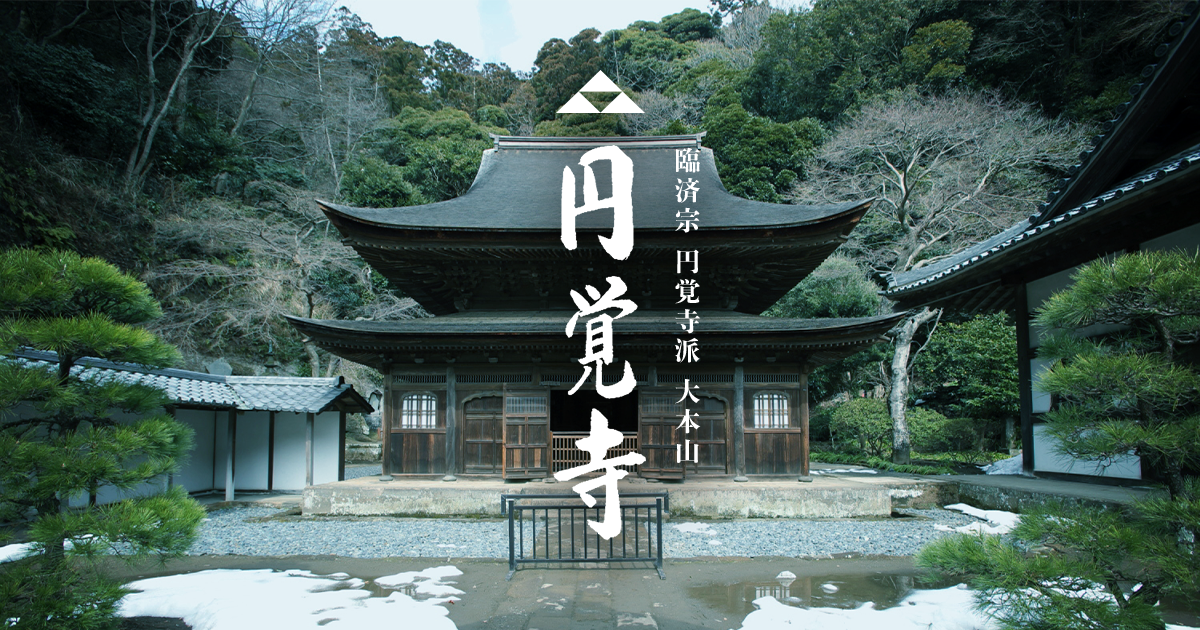
Zazen | 臨済宗大本山 円覚寺
www.engakuji.or.jpEnglish Support and the International Visitor Perspective
If you or a travel companion do not speak Japanese, avoid thinking about English support as a simple yes-or-no question. At temples, having an English-language website, having explanations in English during the session, and being able to answer individual questions in English on the day are three separate things.
A useful reference here is Taizoin, a Kyoto sub-temple that publishes guidelines for foreign visitors. Their official conditions mention groups of ten or more and a thirty-minute format, which shows that the concept of "structuring an experience in English" exists as an institutional practice -- not a rare exception. Still, for the five temples featured in this article -- Engakuji, Nanzenji, Eiheiji, Kasuisai, and Soto headquarters programs -- the extent of English guidance during actual morning zazen or morning service varies.
The Soto headquarters has multilingual outreach through Sotozen-net and its urban programs may feel more accessible to non-Japanese speakers. Engakuji, Nanzenji, and Eiheiji all carry strong international name recognition and attract visitors from abroad, but that does not automatically mean their dawn zazen sessions come with English-language instruction. Being famous as a tourist destination and offering English-guided morning practice are not the same thing.
If English support matters to you, reservation-based programs that explicitly mention English tend to be the safest bet. Conversely, if you are comfortable in a Japanese-language setting and prioritize atmosphere over verbal understanding, even the more traditional temples will deliver a deeply satisfying experience. Zazen is a low-verbal practice -- breath and posture do the heavy lifting. But knowing whether you can understand the check-in process, etiquette instructions, and movement cues makes a significant difference in comfort level.
Choosing Between Extras: Porridge, Calligraphy, Tea Ceremony
What often separates a good morning zazen experience from a great one is not the sitting itself but what surrounds it. Whether you prefer to sit and then leave in silence or linger in the temple's morning atmosphere determines which temple suits you best.
Nanzenji offers the most flexibility here. The basic zazen session can be paired with a dharma talk, and you can add matcha for JPY 500 (~$3.50 USD) or shakyo for JPY 1,000 (~$7 USD). Keep the morning to one hour and you are free for sightseeing; stretch it a bit and you get a half-day that includes a calm tea moment and time with a brush. This is a strong choice when traveling companions have different interests, since the modular format absorbs those differences. The temple's events and experience page gives the full picture.
The Soto headquarters programs take a different approach, bundling porridge breakfast and calligraphy into a continuous two-hour flow. Zazen here functions less as a standalone discipline and more as one piece of "a morning spent with intention." This suits people who want to settle into their morning rather than rush through a single activity before sightseeing. Because the two-hour block includes time after zazen for eating, comparing it against other temples on sitting time alone would be misleading.
Engakuji, by contrast, delivers satisfaction primarily through the zazen itself. Eiheiji foregrounds the weight of morning service and sanzen practice. Kasuisai wraps zazen into the broader experience of temple life through lodging and shojin ryori. If porridge appeals to you, or calligraphy, or a tea ceremony and dharma talk that turn the morning into a cultural experience, checking the extras first will lead you to the right temple faster.
💡 Tip
A useful rule of thumb: if connecting smoothly to sightseeing is the priority, look for sessions around 60 minutes. If you want a more substantial morning, choose a program that includes breakfast or calligraphy and runs closer to 2 hours.
Planning Morning Access and Whether to Stay the Night Before
With morning zazen, whether you can realistically get there in time often matters more than the temple itself. On paper, these are all "morning temple experiences," but there is a sharp divide between temples you can reach on the first train and temples that work best with an overnight stay nearby.
Engakuji is the textbook case. Kita-Kamakura Station is about one minute on foot, which is extraordinary. Even with a 6:00 AM start, taking an early train to Kita-Kamakura and walking straight over is entirely practical. You have a comfortable buffer between arrival and the session, and the roughly one-hour duration means you can head toward Kamakura Station afterward for breakfast and a morning of sightseeing without strain.
Nanzenji pairs well with Kyoto sightseeing, but the walk from Keage Station takes roughly ten minutes. That sounds short, yet you are covering it at an hour when the city is barely stirring. Depending on where you are staying, it can feel like a brisk walk or a peaceful stroll. Staying in the Okazaki or Higashiyama area the night before turns the commute into something closer to a morning walk. For savoring the early-morning quiet, this temple pairs especially well with a nearby overnight stay.
Eiheiji and Kasuisai sit further along the "staying overnight adds real value" spectrum. Eiheiji requires a bus ride from Fukui Station, which does not lend itself to a quick early-morning side trip. Kasuisai's daily 5:00 AM practice is woven into the temple's everyday rhythm, and joining from outside makes less sense than sleeping there and waking up to it naturally. When your temple experience starts at 5:00 or 6:00 AM, burning mental energy on transit tends to dull the very stillness you came for. Using temple lodging or a nearby hotel so that you only need a short walk after waking up changes the experience completely.
The Soto headquarters programs in Tokyo benefit from dense public transit options, making them reachable from a city hotel or even your own home. Shiba-koen connects well with a morning walk, and the urban setting makes this the easiest to fold into a morning routine.
Choosing by Atmosphere: Serious Practice or Sightseeing-Compatible
When you cannot decide between temples, atmosphere is actually the most reliable tiebreaker. More than facilities or start times, whether the morning air at that temple matches the mood of your trip is what drives satisfaction.
Eiheiji and Kasuisai are the clear choices for serious practice. Eiheiji carries the concentrated intensity of a training monastery, and visitors who approach it with even a small sense of commitment get far more from it than those who treat it as a casual detour. Kasuisai similarly reveals its depth when paired with overnight lodging and the temple's daily rhythms. Both lean toward "adjusting yourself to the temple's time" rather than "trying something special on a trip."
For combining zazen with sightseeing, Engakuji, Nanzenji, and the Tokyo Soto programs are the stronger fit. Engakuji's station proximity makes it easy to cut out a quiet morning hour before diving into Kamakura. Nanzenji lets you walk from zazen to the Suirokaku aqueduct and onward into the Okazaki district, so cultural experience and exploration flow together naturally. The Soto programs slot Zen into the fabric of city life, working well for both travelers and Tokyo residents.
Solo travelers can handle -- and even enjoy -- the sharper edge of a serious-practice temple. Couples or groups of friends tend to do better with a sightseeing-compatible option where the temperature difference between participants is less likely to cause friction. For families, strictness of atmosphere plus children's participation rules directly shape the itinerary, so do not underestimate the feel of the place when planning. Every temple is quiet during zazen, but there is a meaningful difference between "the quiet of solemn practice" and "the quiet of settling into your morning." That distinction shapes everything.
Your First Zazen Session: Flow and Etiquette
What to Wear, What to Bring, and When to Arrive
The biggest source of uncertainty before a first zazen session is usually not mental preparation but clothing. The basics: comfortable long pants and a simple, non-restrictive top are all you need. You will be folding your legs and holding a posture for an extended period, so stiff denim or anything tight around the knees works against you. Soft, stretchy fabric lets you sit without distraction. Skirts and shorts tend to cause self-consciousness during sitting and are best avoided as a beginner.
Presentation matters too. Loud patterns, strong perfume, and noisy accessories should be left behind. Zazen is a shared space where everyone's concentration feeds into the atmosphere, so jangling earrings, bracelets, or clothes with metal fittings stand out more than you might expect. In winter, your feet and knees cool down quickly; some temples allow a lap blanket. Rather than piling on thick layers, aim for easy-on, easy-off layering that does not bind when you sit.
You do not need much gear. A wallet, prayer beads if you have them, and a handkerchief will usually suffice. Keep your bag small -- the less you carry, the less your movements disrupt the space. Plan to stow your phone after check-in. A morning temple's atmosphere is built on silence, and arriving ready to be quiet makes your entry smoother.
Aim to arrive 10 to 20 minutes before the start time. First-timers need a moment to find the right building, check in, remove shoes, and listen to any orientation. A few minutes late on a morning session can leave you unsettled for the entire sitting. Some temples set earlier deadlines -- Eiheiji's morning service, for instance, requires check-in 40 minutes before it begins. In those cases, the temple's rule overrides the general guideline.
As a first-timer, expect that the actual sitting portion runs around 20 to 30 minutes per round, one or two rounds. Even 20 minutes feels genuinely long when you are focused on posture and breath. Preparing for endurance matters less than preparing to finish your first round feeling good about it.
Sitting Positions
Several formal positions exist for zazen, but the key principle for beginners is that a position you can hold without strain beats one that looks correct. The Sotoshu guide to zazen etiquette emphasizes the same idea: adjusting your posture is the point, not forcing a difficult shape.
The most well-known position is kekkafuza (full lotus), where each foot rests on the opposite thigh. It matches the classic image of zazen but requires significant hip flexibility, and most people cannot do it comfortably on their first try. Even when it looks stable, enduring pain causes shallow breathing and makes concentration harder, not easier.
Hankafuza (half-lotus) is the more realistic starting point. One foot goes on the opposite thigh while the other rests on the floor or the zafu (round meditation cushion). Which side feels more natural varies from person to person. When a temple offers guidance, they will usually start you with hankafuza.
If folding your legs deeply is not happening, seiza (kneeling) works fine. It is a familiar position for many Japanese practitioners, though it can strain the ankles and knees. A zafu or extra cushion under your hips raises the pelvis slightly, making it easier to keep your spine straight. The comfort of seiza comes down to whether you can create enough height for your pelvis to tilt upright, not the position name itself.
For anyone with leg or knee concerns, choosing chair zazen from the start is genuinely the smarter move. The Sotoshu guide to chair zazen covers this: both feet flat on the floor, sitting forward on the chair, not leaning fully into the backrest. That alone satisfies the core requirements of zazen posture. Spending the entire session fighting numbness while your mind fills with nothing but pain is a poor trade-off compared to sitting in a chair and calmly returning your focus to your breath.
For your hands, rather than placing them loosely on your knees, the standard is to form a shape in front of your abdomen. Drop your shoulders, tuck your chin gently, and instead of arching your back, imagine the crown of your head being drawn upward. Zazen is closer to "settling" than "stiffening," and using less force makes the posture sustainable.
坐禅の作法 | 曹洞宗 曹洞禅ネット SOTOZEN-NET 公式ページ
※細かい作法については、それぞれの道場によって異なる場合があります。 詳しくは、指導者の方にお尋ねください。
www.sotozen-net.or.jpHalf-Closed Eyes, Breathing, and Susokukan
Once you have your sitting position, the next step is gaze and breath. No need to overthink it -- beginners can get into the flow with just three things: half-closed eyes, longer exhales, and counting your breaths.
Hanme (half-closed eyes) means neither fully shut nor fully open. Your gaze drops naturally to a spot on the floor a short distance ahead. Closing your eyes completely seems like it would help you relax, but in practice it invites drowsiness and daydreaming. Opening them wide creates tension. The half-closed position keeps awareness gently present, right in the middle.
For breathing, abdominal breathing with a longer exhale is the foundation. Rather than expanding your chest, feel your lower abdomen move softly as you breathe out slowly and fully. The next inhale arrives on its own. Forcing deep breaths repeatedly actually makes the body work harder. The approach is less about controlling breath and more about giving care to the exhale -- that is what sustains the rhythm.
Wandering thoughts are normal. In fact, during a first session, plans, work, sleepiness, and the sensation of your legs will cycle through your mind one after another. This is where susokukan (breath counting) helps. The method is simple: silently count each exhale -- one, two, three -- up to ten, then start over. The counting gives your attention a place to land and makes it harder for stray thoughts to pull you under.
Losing count or realizing you have drifted off into something else is not a failure. When you notice, return to one. Beginners often believe they need to achieve a blank mind, but the actual center of zazen is noticing that your mind has wandered and returning to the breath. Even within 20 minutes, repeating this return over and over gradually quiets the noise inside your head.
💡 Tip
If you start to struggle during zazen, letting go of tension in your shoulders and face does more good than trying harder to hold perfect posture. Posture is not built through willpower -- it is found by returning to a shape that lets your breath flow.
Receiving or Declining the Keisaku
One piece of zazen etiquette that draws attention is the keisaku -- a flat wooden stick used to strike the shoulders. It may look like punishment, but its actual purpose is to clear drowsiness or correct posture. The sharp "crack" image that beginners imagine does not match reality; the keisaku serves as a tool for resetting focus within the session.
When you want to receive it, place your palms together (gassho) as the monk passes near you. The gassho signals your request silently. After that, adjust your posture and follow the cue. Even without knowing the exact sequence in advance, you can follow along with the guidance given in the moment.
Receiving the keisaku is not mandatory. If you prefer not to, simply do not make the gassho request -- that is the standard approach in most temples. At temples with strong beginner outreach, an explanation is often given before the session. If the keisaku is what is making zazen feel intimidating, going in with the plan to skip it is perfectly fine. The core of zazen is maintaining posture and breath, not being struck.
For a first session, it also helps to pay attention to the surrounding etiquette: the order of gassho and bowing, when to stand and sit, how to handle the cushion. Silence, phone storage, and photography rules are all covered by the on-site guidance, and following the flow is the most natural approach. When you experience these forms alongside the sitting itself, zazen reveals itself as something broader than just "time spent seated" -- it is a culture of settling into the morning, taken as a whole.
Trip-Planning Q&A
Do I need a reservation?
Reservation rules vary dramatically by temple. The most accessible options are individual-friendly temples like Engakuji and Nanzenji, where no advance booking is needed for their regular sessions. On the other end, the Soto headquarters morning Zen programs in Tokyo, which bundle breakfast and calligraphy, lean heavily toward advance reservations. Eiheiji's day-visit sanzen is easy to join on the spot, but attending the morning service works best when you contact the temple the day before.
From a traveler's perspective, "station-adjacent morning activity" and "half-day reserved program" require very different levels of preparation. Engakuji is under a minute from Kita-Kamakura Station, so catching an early train and walking straight there is realistic -- but not on a closure day. These morning events are more prone to schedule changes than typical tourist attractions, so planning around confirmed session dates rather than reservation availability will keep your itinerary solid.
Can a complete beginner do this?
Absolutely. Morning zazen sessions are generally designed with the expectation that newcomers will be in the group, not as exclusive gatherings for experienced practitioners. When choosing, look beyond how "serious" the temple is and check whether the session starts with posture and breathing guidance, or includes a dharma talk. Engakuji and the beginner-oriented urban programs in Tokyo tend to have the widest on-ramp.
If you have leg or knee issues, whether the temple accommodates chair zazen matters as much as the beginner label. As covered in the sitting positions section, pushing through a full-lotus or seiza position is unnecessary. During a trip, travel fatigue compounds the challenge, so choosing comfort over form leads to a better overall experience.
Can children participate?
This depends on the temple. Many do not publish explicit age limits, and the practical answer turns on whether the expectation is parental supervision, or whether the child needs to be old enough to sit still. In sessions centered on adults, the silence itself is part of the experience, and very young children or those who struggle to remain still for an extended period will find it difficult.
For family trips, rather than forcing everyone into the same early-morning session, it can be more realistic for one parent to attend while the other explores the area. If you are set on a parent-child experience, program-style sessions or semi-private bookings tend to accommodate families more naturally than regular open sessions.
Is English support available?
Some places offer it, but not consistently. Temples may be accustomed to international visitors in general without providing English guidance during their morning zazen sessions specifically. Engakuji, Nanzenji, and Eiheiji all carry global recognition, but whether their dawn practice comes with English instruction is a separate question from their overall tourism profile.
If English is essential, look for reservation-based programs that explicitly mention English availability. Some experiences are arranged through third-party booking platforms or tourism programs that layer English guidance on top of what the temple provides. For must-have English support, confirming directly with the temple or the booking platform before your visit is the safest approach.
Can I combine it with breakfast and sightseeing afterward?
Easily, and that is part of the appeal. Morning zazen does not just give you a quiet start to the day -- it sets up a smooth transition into your morning sightseeing. Choosing a session that wraps up in reasonable time means breakfast, a walk, and the opening hours of major attractions line up naturally.
In Kamakura, finishing at Engakuji and heading from Kita-Kamakura toward Kamakura Station for breakfast is a clean sequence. While most shops on Komachi-dori open around 10:00 AM, cafes and breakfast spots in the vicinity open earlier, and the uncrowded early hours are yours to enjoy. The early wake-up is a real cost, but by the time zazen ends, your head feels clear and the walk to Tsurugaoka Hachimangu or through Kamakura's streets feels right.
In Kyoto, walking from Nanzenji to the Suirokaku aqueduct and then through the Okazaki district makes a beautiful half-day plan. The aqueduct is within the temple grounds, so there is almost no transit time, and morning light is ideal for photography. Extending to Okazaki brings you into a park-and-culture-facility area that flows naturally from the temple visit.
In Tokyo, the Shiba-koen morning programs connect well with a stroll toward Zojoji temple. Shiba-koen is open at all hours, so a quiet morning walk pairs naturally with the session, and even on a business trip, it is easy to fit into your schedule from a city hotel.
💡 Tip
The real payoff of morning zazen often shows up in the hours that follow, not just the session itself. Rather than rushing to breakfast, walking for a bit first tends to give your morning a smoother start.
How much does it cost?
The range is wide, but a basic morning zazen session generally falls within a donation or around JPY 1,000 (~$7 USD). Engakuji operates on donations, and Nanzenji's dawn zazen is free on a donation basis. Nanzenji's full-day zazen session is JPY 1,000 (~$7 USD) for adults and JPY 500 (~$3.50 USD) for students, with matcha at JPY 500 (~$3.50 USD) and shakyo at JPY 1,000 (~$7 USD) as add-ons. Sitting alone is inexpensive; adding breakfast or calligraphy shifts the budget toward a half-day experience.
Eiheiji is slightly different in character -- the suggested donation for the morning service is JPY 1,000 (~$7 USD). Some tourism guides list day-visit sanzen at JPY 500 (~$3.50 USD), but combined with the temple visit and other experiences, the overall feel is not quite "budget morning activity." Treat it as a destination experience and budget accordingly.
What should I bring?
Heavy preparation is unnecessary. From a traveler's standpoint, socks, a light jacket, and a small towel cover the practical bases. Morning temple halls and zazen rooms tend to feel cooler than the street, even in summer -- feet chill quickly in the early hours, and in winter, the cold seeps in during any waiting time. A single easy-to-remove layer makes a noticeable difference in how relaxed your body stays.
A small towel is less about wiping sweat and more about general convenience: drying your hands after travel, wiping your feet if it rains. Large items like yoga mats are unnecessary -- temples provide sitting cushions. Plan to remove hats indoors, and keep that in mind when choosing what to carry. The less you bring, the easier your movements will be.
Wrapping Up: A Morning That Settles Your Whole Trip
Morning zazen becomes much easier to choose when you compare on four axes: session time, reservation rules, duration, and extras. For serious Kyoto atmosphere, Nanzenji. For a light and accessible start in Kamakura, Engakuji. For an urban morning experience in Tokyo, the Soto headquarters programs. For full immersion that includes staying overnight, Eiheiji or Kasuisai. Temple schedules have shifted even within the 2024-2026 window, so once you pick your temple, confirming the latest information on their official page is the final step that keeps your plan on track.
The process from here is straightforward. Pick one temple, check the official site for current session times, reservation requirements, and closure days, and note the dress code and when to arrive. Build outward from there -- add breakfast, a nearby walk, sightseeing -- and the quiet of that early morning hour lifts the quality of the entire day.
Related Articles
How to Choose a Cultural Experience in Japan: Finding the Real Thing
When choosing a cultural experience in Japan, look beyond photo ops and name recognition. The best experiences connect to local life, festivals, crafts, and food traditions. From tea ceremony and wagashi to kimono, crafts, regional cuisine, and festivals, options span every interest. Kyoto excels at conveying quintessential Japanese culture, Tokyo offers quick English-friendly access, and rural areas bring you closest to living traditions.
8 Best Cultural Experiences in Kyoto, Japan — Prices, Duration & English Availability
Choosing a cultural experience in Kyoto works best when you look beyond the atmosphere photos and check the practical details first: how much time it takes, whether it runs on rainy days, whether English support is available, how kid-friendly it is, and how distinctly Kyoto the experience actually feels.
5 Best Kimono Rental Walking Spots in Japan (2026) — Picked for Photo Quality and Walkability
If you're trying kimono rental for the first time in Japan, skip the cheapest option and focus on two things first: whether the backdrop is worth photographing, and whether the walking route is manageable in zori sandals. This guide compares five beginner-friendly areas across Kyoto, Asakusa, and Ginza, then maps out the full flow from check-in to strolling, shooting, and returning the kimono — ready to drop straight into your itinerary.
15 Best Regional Food Destinations in Japan: Local Specialties by Prefecture
When researching what to eat on a trip to Japan, terms like gotouchi gourmet, kyodo ryori, and meibutsu ryori can blur together, making it hard to pick a destination. This guide sorts out those distinctions using official sources such as the Ministry of Agriculture's regional cuisine database, Japan Tourism Agency statistics, and B-1 Grand Prix data, then narrows the field to 15 prefectures for easy trip planning.