
15 Best Regional Food Destinations in Japan: Local Specialties by Prefecture
15 Best Regional Food Destinations in Japan: Local Specialties by Prefecture
When researching what to eat on a trip to Japan, terms like gotouchi gourmet, kyodo ryori, and meibutsu ryori can blur together, making it hard to pick a destination. This guide sorts out those distinctions using official sources such as the Ministry of Agriculture's regional cuisine database, Japan Tourism Agency statistics, and B-1 Grand Prix data, then narrows the field to 15 prefectures for easy trip planning.
When you start looking into what to eat on a trip to Japan, terms like "gotouchi gourmet" (regional food specialties), "kyodo ryori" (traditional local cuisine), and "meibutsu ryori" (famous local dishes) can all start to blur together, making it surprisingly hard to settle on a destination. This guide sorts out those distinctions using official sources, including the Ministry of Agriculture, Forestry and Fisheries' "Our Regional Cuisine" database, Japan Tourism Agency statistics, and B-1 Grand Prix trends, then narrows the field to 15 prefectures chosen for easy trip planning.
For each prefecture, you will find more than just the food itself. We cover why a particular dish was born in that place, how to get the most out of eating it on-site, and whether it suits solo travelers, food-crawl itineraries, or family trips. By the end, you should be able to jot down at least three candidate destinations for your next trip, complete with seasonal timing and route tips that translate directly into a workable plan.
Why Food-Focused Travel in Japan Is So Popular, and How Regional Cuisine Categories Differ
Defining the Terms
Before mapping out a food trip, it helps to untangle three categories that overlap but point at different things. Drawing on dictionary-level definitions and the Ministry of Agriculture's framework, gotouchi gourmet refers to dishes rooted in local ingredients or cooking methods that have become widely established as tourism and community-revitalization assets. Kyodo ryori (traditional regional cuisine), by contrast, describes dishes inherited through generations, shaped by the local terrain, climate, and household cooking traditions. Meibutsu ryori is the broadest label, covering any dish that represents a given area; it functions as an umbrella that can include either of the first two.
The dividing line runs primarily along two axes: tradition and community-driven branding. Akita's kiritanpo nabe, Yamanashi's hoto, and Aomori's senbei-jiru, for example, are easy to understand as kyodo ryori because of their deep ties to local farming life and home kitchens. Dishes that gained national recognition through events or tourism campaigns, on the other hand, tend to be discussed as gotouchi gourmet. That said, the boundary is rarely clean-cut. Senbei-jiru is a case in point: originally a community staple, it later became strongly identified as gotouchi gourmet thanks to promotional campaigns in Hachinohe.
The Ministry of Agriculture's "Our Regional Cuisine" portal is one of the best resources for seeing these distinctions in practice. It pairs each dish with its origin story, regional context, and recipe, so the entry reads less like a "popular menu roundup" and more like a record of accumulated food culture. When deciding what to eat on a trip, it helps to think of kyodo ryori as a doorway into a place's history, and gotouchi gourmet as a doorway into a town's present-day energy.
うちの郷土料理:農林水産省
www.maff.go.jpWhat Is B-Kyu (B-Grade) Gotouchi Gourmet?
Among gotouchi gourmet categories, B-kyu (B-grade) gotouchi gourmet draws some of the biggest crowds on the road. The "B-grade" tag has nothing to do with low quality. It refers to an approachable price bracket, street-food convenience, and a strong affinity with festivals and food stalls. These dishes align naturally with how travelers actually move: grabbing a quick bite while walking, sampling several items in small portions.
This genre expanded because everyday meals and tourism experiences sit so close together in Japan. Takoyaki in Osaka, Sanuki udon in Kagawa (Shikoku, Japan), and Hakata ramen in Fukuoka are all ordinary fare for locals, yet for visitors they become defining flavors of a destination. Sanuki udon, for instance, works well for "eating your way around" because self-service shops and noodle-factory-style outlets are easy to hop between, and each bowl is light enough to keep going. Hakata ramen's kaedama (extra noodle) culture supports both the "max out at one shop" approach and the "compare across several" approach.
B-kyu gotouchi gourmet has also attracted attention for its compatibility with regional economic development. Rather than relying on a single luxury ingredient, it spreads benefits across shopping streets, event venues, station plazas, and food-stall districts. For travelers, the appeal is straightforward: reasonable prices, quick service, and the ability to sample multiple dishes. For host communities, the payoff comes in foot traffic, longer visitor stays, and broader spending. That accessibility is what makes food-focused travel in Japan so approachable.
Regional Revitalization and the Economic Impact of Food Events
Gotouchi gourmet goes beyond food talk because the numbers are genuinely large. The B-1 Grand Prix illustrates this well: the fifth tournament in Atsugi drew 435,000 visitors, and the estimated economic impact, including PR effects, reached roughly 3.6 billion yen (~$24 million USD). When a food event can generate that kind of draw, it makes perfect sense for municipalities and commerce associations to invest heavily.
Individual dishes show clear ripple effects too. After the 2008 Gold Grand Prix, Atsugi Shirokoro Horumon (grilled pork intestine) reportedly generated around 30 billion yen (~$200 million USD) in economic impact over roughly three months. What matters here is not just the dish's direct sales but the wider cascade: hotel stays, transportation, souvenirs, media exposure, and an overall lift in regional image. Food-focused travel thrives precisely because it does not end at "ate something good" but spills over into walking a town, joining events, and exploring nearby sights.
On the official side, the Ministry of Agriculture's 2007 "Top 100 Regional Cuisines of Farming, Mountain, and Fishing Villages" selected 99 items from approximately 1,700 candidates. An additional 23 dishes were highlighted in a separate "Popular Regional Dishes" category. What emerges from these lists is that Japan's food culture is being cataloged not only for historical preservation but also for contemporary appeal and tourism relevance. Viewing kyodo ryori and gotouchi gourmet as complementary rather than separate captures the full picture.
💡 Tip
Destinations with the highest food-trip satisfaction tend to have a cluster of food venues, whether a market, a shopping arcade, a festival circuit, or a strong morning-food culture, rather than a single standout restaurant. The denser the eating options, the more a trip becomes about enjoying an entire town rather than gambling on one meal.
How This Article Uses Its Sources
Plenty of gotouchi gourmet articles exist, but the genre is prone to mixing definitions, trends, and shop-level info into a single blur. This guide takes a different approach: definitions, institutional data, and statistics lean on official sources, while dish-level descriptions and travel tips draw on cross-referenced travel media and regional information.
For the demand-side picture, the Japan Tourism Agency's "Travel and Tourism Consumption Trend Survey" serves as a baseline. This survey covers roughly 29,000 people selected by random sampling from resident registration records and tracks domestic travel and tourism spending behavior. Grounding the discussion in that kind of data gives food travel a more realistic frame than a ranking article alone would.
At the same time, there is obvious demand for prefecture-by-prefecture guides when it comes to choosing what to eat. In 2024, a guidebook covering all 47 prefectures with four pages each and over 1,000 dishes drew attention for its illustrated survey approach. Guides like that succeed because readers want a systematic view of "what represents each prefecture," not just a hot-restaurant list. This article's 15-prefecture focus follows the same logic: a tighter scope makes destinations easier to compare and plans easier to execute.
The approach, then, is to ground kyodo ryori in the Ministry of Agriculture's framework; handle gotouchi gourmet and meibutsu ryori through a blend of dictionary definitions and tourism context; and select dish examples, such as kiritanpo nabe, masu-zushi, shiro-ebi, hitsumabushi, Hiroshima-style okonomiyaki, and Okinawa soba, based on clear regional identity and confirmation across multiple sources. Conversely, shop-level details like hours and closing days, which change frequently, are not treated as deciding factors at this stage. The priority is each dish's appeal and how well it fits into a travel itinerary.

旅行・観光消費動向調査 | 観光統計・白書 | 観光庁
www.mlit.go.jp15 Best Regional Food Destinations in Japan: Local Specialties by Prefecture
These 15 prefectures are not a comprehensive list of all 47. They were selected for travel-friendly balance: geographic spread from north to south, and a mix across seafood, hot pot, noodles, flour-based dishes, meat, market experiences, and food-crawl compatibility. That makes it easy to work backward from "what kind of eating trip do I want?" The list naturally blends long-standing kyodo ryori with gotouchi gourmet that have become the public face of their regions.
Hokkaido: Kaisendon and Jingisukan
Hokkaido is a prefecture where both seafood and meat deliver high satisfaction. Kaisendon (seafood rice bowl) piles tuna, salmon, ikura (salmon roe), scallops, sweet shrimp, uni (sea urchin), and crab onto vinegared or warm rice, with the topping lineup varying by port town and market. The flavor experience is a direct hit of sweetness and rich fat from the freshest catch. Jingisukan (Genghis Khan-style grilled lamb) pairs the savory char of lamb with the sweetness of grilled vegetables for a completely different but equally satisfying meal. (For more details, check Hokkaido's official tourism portal and regional food-culture pages.)
Aomori Prefecture: Senbei-jiru
Aomori's senbei-jiru is a soup built around Nanbu senbei crackers tough enough to hold up in a simmering pot. Chicken or pork broth meets burdock root, cabbage, mushrooms, and green onion, with the specialty crackers broken in last. The texture lands somewhere between simmered udon and sueton dumplings: the crackers absorb broth yet keep a slight chew at the center. Despite its humble appearance, the depth that emerges when broth and wheat fragrance meld together is remarkable.
The Ministry of Agriculture's regional cuisine entries position this dish within the food culture of southern Aomori, especially around Hachinohe (Aomori, Japan), noting that it has been eaten for roughly 200 years since the late Edo period. The connection to the local climate is straightforward: Nanbu senbei were easy to store in cold regions, and cooks put them to work in the kitchen. After World War II, production of crackers specifically designed for hot-pot use expanded, and later Hachinohe's community-revitalization efforts elevated "Hachinohe Senbei-jiru" to national recognition. It is a textbook case of tradition and regional branding reinforcing each other.
To get the most out of this dish on the ground, seek out a kyodo ryori restaurant or a winter food event. Walking in from the cold and sitting down to a steaming bowl makes it click that senbei-jiru was born out of practical wisdom, not marketing. This is a dish for solo travelers or couples who want to feel the real texture of a Tohoku winter, people who prefer cultural depth over flashiness. Aim for autumn or winter; paired with snow scenery and port-town walks, the impression sticks.
農林水産省ホームページ
www.maff.go.jpMiyagi Prefecture: Grilled Gyutan
Miyagi's signature grilled gyutan (beef tongue) is a Sendai specialty: thick-cut beef tongue cooked over charcoal. The seared exterior gives way to a rich, resilient chew, and the simple salt seasoning lets the meat's own flavor come through. The standard set meal pairs the tongue with barley rice, oxtail soup, and grated yam, and the combination is remarkably well-rounded.
Historically, the dish traces back to postwar Sendai (Miyagi, Japan), where cooks experimented with beef tongue preparation and specialty restaurants refined the format. Taking what had been a less-common cut and presenting it as thick, charcoal-grilled slices is what turned gyutan into Sendai's food identity. Today, specialist restaurants are easy to find around the station and along major tourism routes, giving gyutan one of the highest name-recognition scores of any regional dish in Japan.
For travelers, a proper set-meal lunch is the way to go. The aroma of charcoal grilling hits harder on-site than anywhere else, and because specialist shops cluster around stations and entertainment districts, the meal slots neatly into a half-day sightseeing plan. Best suited for: business-trip extensions where you want one great meal, couples doing an efficient Sendai tour, or families anchoring the itinerary around familiar-feeling meat. Works year-round, though a fall or winter Sendai visit adds warmth to the set-meal experience.
Akita Prefecture: Kiritanpo Nabe
Akita's kiritanpo nabe is a hot pot made with kiritanpo, cylinders of mashed rice wrapped around cedar sticks and grilled, simmered in rich chicken broth. The clear broth draws its flavor from Hinai-jidori chicken, and the pot holds burdock root, maitake mushrooms, green onion, Japanese parsley, and shirataki noodles. As the grilled rice absorbs the soup and softens, the toasty aroma blends into the broth. It is a dish that feels like Akita's rice-country heritage condensed into a single pot.
The origins trace to portable food carried by woodcutters and hunters in northern Akita, or to creative uses for leftover rice. The Ministry of Agriculture catalogues it as a kyodo ryori of the Odate and Kazuno areas (Akita, Japan). Traditionally a treat from new-rice season through winter, the dish gained wider fame through the revival of Hinai-jidori chicken and tourism promotion. It balances home-cooking roots with tourist-attraction appeal.
Eating kiritanpo nabe on-site is about the time spent sitting around the pot at a ryokan (traditional inn) or kyodo ryori restaurant. Rushing through a single dish misses the point; this one pairs best with local sake and small side dishes, enjoyed at an unhurried pace. For reference, the Honke Abeya online shop lists a kiritanpo nabe set for two to three people at 5,900 yen (~$39 USD), which works out to roughly 1,967 to 2,950 yen (~$13-$20 USD) per person. On-site, the atmosphere and scenery add a layer that no delivery can replicate. Best for autumn and winter onsen (hot spring bath) trips, family outings with older relatives, and calm food-centered getaways. Peak season runs from the new-rice harvest in fall through winter.
Toyama Prefecture: Shiro-ebi and Masu-zushi
Toyama is a prefecture where delicate seafood and an iconic ekiben (station boxed lunch) come together in one trip. Shiro-ebi (white shrimp) are tiny shrimp from Toyama Bay with a translucent appearance and an elegant sweetness when served as sashimi. Deep-fried as kakiage tempura, they turn crisp and fragrant with a different charm entirely. Masu-zushi is a pressed sushi made by layering thin slices of trout over vinegared rice and wrapping it in bamboo leaves; the moist richness of the fish against the taut, tangy rice is its calling card.
Shiro-ebi owe their existence to Toyama Bay's unique geography and fishing industry, and the rarity of commercially viable harvesting grounds adds to their cachet. The fishing season runs roughly from April to November, with April-May and August-September as peak periods. An online example from shop.shiomon.com lists 100 g of shiro-ebi sashimi at 4,800 yen (~$32 USD), enough for one or two people to enjoy a generous serving. Masu-zushi dates back to the Edo period and has long been a beloved ekiben at Toyama Station. The Minamoto catalog lists varieties in the 2,000-3,600 yen (~$13-$24 USD) range.
On the ground, comparing sashimi and kakiage at a sushi bar or specialist shop near the station is the most enjoyable way to experience shiro-ebi, while masu-zushi is a perfect match for train travel and takeaway eating. Buying one as an ekiben and savoring it with the passing scenery drives home how well-designed this dish is. Best for rail trips, seafood-focused couples' getaways, and solo travelers who want to turn even transit time into a travel moment. For shiro-ebi, aim for spring through early fall; masu-zushi works year-round.
Niigata Prefecture: Hegi Soba
Niigata's hegi soba is a buckwheat noodle bound with funori seaweed, giving it a distinctly silky texture and firm bite. The noodles are arranged in bite-sized bundles on a wooden "hegi" tray, making the presentation as refined as the flavor. Compared to standard ni-hachi soba, hegi soba leaves a stronger impression of smoothness on the throat, and the chew pushes back with real resilience. It stays in memory more for texture than for aroma alone.
Behind the dish lies Tokamachi's textile industry. Funori was originally used in handling woven threads, and its binding properties were adapted to noodle-making. The fact that a regional craft shaped a food tradition gives hegi soba a story that goes beyond "local specialty" into genuine cultural history. In recent years, the Agency for Cultural Affairs recognized it as a "100-Year Food," further cementing its standing as a heritage dish.
For travelers, satisfaction depends on whether you commit to one shop and eat with focus, or share a large tray among friends. The hegi presentation is visually striking, so a group setting amplifies the table's appeal. That said, a solo visit works just fine and pairs well with a quiet town walk. Best for relaxed trips combining onsen (hot spring bath) and rural scenery, food-curious adult getaways, and road trips. Any season works, though the scenery during fresh-green season or autumn foliage deepens the impression.
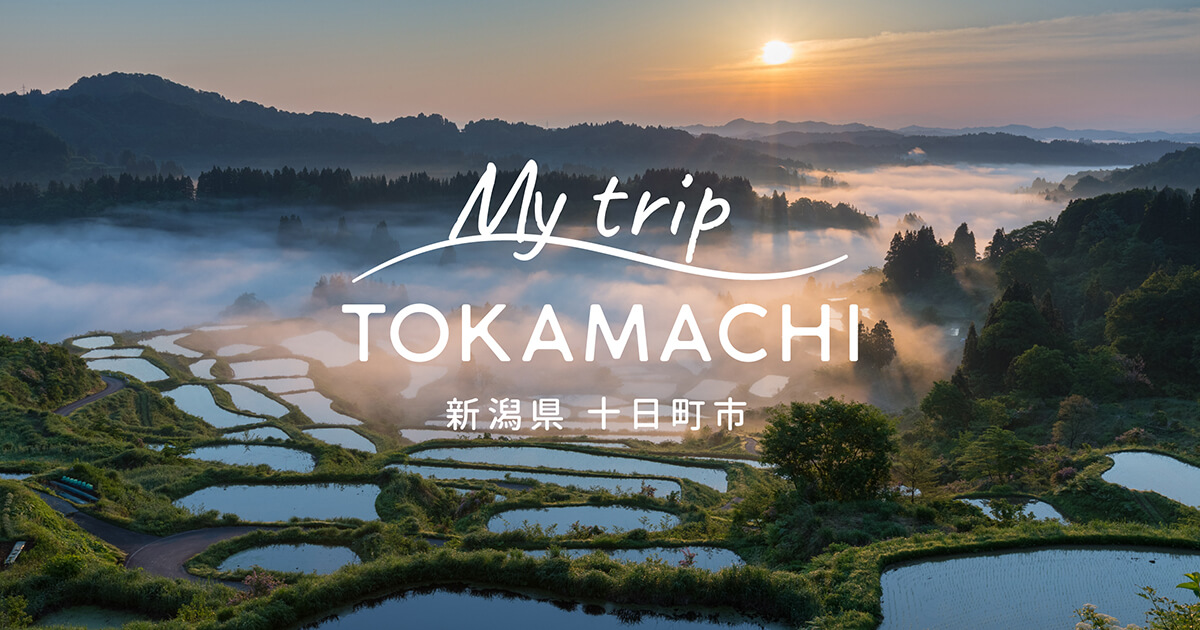
【 十日町市観光協会】My trip TOKAMACHI|心とけあう里山とアートの旅
アートと自然が暮らしの中に息づく新潟県十日町市。清津峡や美人林、大地の芸術祭、棚田の風景、そして人のあたたかさ。雪国の知恵にふれ、「私だけの旅」を見つけるひとときへ。
www.tokamachishikankou.jpYamanashi Prefecture: Hoto
Yamanashi's hoto is a miso-based stew with thick, flat noodles simmered alongside kabocha squash and root vegetables. The noodles are broader and more rustic than udon, and they soften as they soak up the broth. The soup carries a gentle sweetness from the melting kabocha, and the generous vegetable load means one bowl fills you up decisively.
Originally a farmhouse dish made during breaks from fieldwork, hoto is deeply rooted in Yamanashi's daily life. Its reliance on easily stored wheat flour and seasonal vegetables reflects the realities of an inland climate. Selected for the Ministry of Agriculture's Top 100 Regional Cuisines, it has become the default "must-eat" for anyone visiting Yamanashi. At tourist-area restaurants, it often arrives in a cast-iron pot, and the rising steam is part of the experience.
On the road, slotting hoto in as lunch during a Fuji Five Lakes or Kofu sightseeing day makes logistical sense. The hearty serving is especially welcome during cold-weather outings. Menu prices at representative shops fall in the 1,000-1,650 yen (~$7-$11 USD) range, and the filling power makes it easy to justify within a travel budget. Best for road trips, family outings with children, and cold-season sightseeing. Autumn and winter are peak, but hoto delivers Yamanashi character any time of year.
Shizuoka Prefecture stands out for the ability to enjoy a breezy urban food culture and the bounty of Suruga Bay on the same trip. Shizuoka oden is visually striking thanks to its dark broth, and the ingredients steep until deeply flavored, often eaten with dashi powder and aonori sprinkled on top. Despite the dark appearance, the taste is lighter than expected, with a gentle depth from beef tendon. (For more, see the Shizuoka Prefecture or Shizuoka City tourism association pages.) Sakura-ebi (cherry blossom shrimp) are a Suruga Bay signature, versatile enough for kakiage tempura, boiled preparations, or raw service, with a fragrant sweetness that sets them apart.
On the ground, sakura-ebi for lunch around the Yui area and Shizuoka oden in the city center from late afternoon onward makes for a clean itinerary. Sakura-ebi shine brightest during their peak seasons, while Shizuoka oden is easy to hop between stalls in small portions. Best for food-crawl-loving couples, rail travelers, and short one-day or overnight trips. For sakura-ebi, target spring and autumn; Shizuoka oden pairs especially well with evening strolls in autumn and winter.
Aichi Prefecture: Nagoya-Meshi
Aichi's food scene runs deep under the collective banner of "Nagoya-meshi," a cuisine culture thick enough to define the entire prefecture's travel image. The flagship is hitsumabushi: finely sliced grilled eel over rice, eaten in three stages, first plain, then with condiments, and finally with broth poured over. The flavor shifts distinctly at each stage, making it feel less like a meal and more like an experience. Bold seasoning and char-grilled fragrance add up to a satisfaction level that feels unmistakably Nagoya.
Hitsumabushi evolved within Nagoya's eel culture, with competing origin stories involving the serving vessel (ohitsu) and delivery-service innovations. That multiplicity of backstory is part of its character, tying the dish to the city's long-established restaurant tradition. Nagoya-meshi as a whole leans into miso culture, kissaten (coffee-shop) culture, and a distinctive remix sensibility, giving visitors a food identity that sticks in memory after a single encounter.
For travelers, hitsumabushi deserves a slightly luxurious single-meal slot. If you want to cover more ground, pair it with miso-katsu (miso-sauced pork cutlet), tebasaki (chicken wings), or kishimen (flat noodles) over the course of a day. Hitsumabushi ranges widely in price, from lunch sets around 950 yen (~$6 USD) to high-end servings in the 3,000-5,000 yen (~$20-$33 USD) bracket; even at the higher end, the satisfaction tends to justify the spend. Best for couples combining city sightseeing and food, solo business-trip extensions, and trips with parents or older relatives. Works year-round, and makes a particularly memorable summer stamina meal.
Osaka: Takoyaki and Kushikatsu
Takoyaki (octopus balls) are spheres of wheat-based batter filled with octopus and grilled until the outside is crisp and the inside is molten. Sauce, soy sauce, salt, and other variations mean each shop puts its own stamp on the same dish. Kushikatsu (deep-fried skewers) thread meat, vegetables, and seafood onto sticks for a light, satisfying fry, with dipping sauce adding punch. (For background, see the Osaka City or Osaka Tourism Bureau food-culture pages.)
The way to enjoy Osaka is to graze rather than commit to one spot. A takoyaki stop at midday, kushikatsu in the late afternoon, and an izakaya at night, all fit easily into a compact schedule with high satisfaction. Best for friend-group trips, food-crawl-oriented couples, and first-time Kansai visitors. Any season works, though the mild weather of spring and autumn makes street-level grazing especially pleasant.
Hyogo Prefecture is interesting because it offers both gentle dashi culture and a globally recognized beef brand within the same borders. Akashiyaki (locally called tamagoyaki) is a soft, egg-rich sphere with octopus inside, dipped in warm dashi broth. Compared to takoyaki, it has a more delicate, custard-like texture and an understated elegance. (See the Akashi City tourism association for more.) Kobe beef, meanwhile, is famous worldwide for its fine marbling, fragrant fat, and tender texture.
Kobe beef comes from Tajima cattle raised in Hyogo Prefecture and must meet the certification standards of the Kobe Meat Distribution Promotion Council. Certified carcasses receive a "nojigiku" chrysanthemum stamp, underscoring the rigor of the system. The brand's value is built not just on taste but on lineage, geography, and distribution controls. Akashiyaki, on the other hand, grew out of Akashi's octopus culture and port-town food traditions, and remains a casual local staple.
The ideal day splits into akashiyaki for lunch in Akashi and Kobe beef for dinner. Kobe beef suits a special-occasion meal; published examples include courses featuring 180 g of beef at around 23,000 yen (~$153 USD). Akashiyaki sits at the opposite end, light to eat yet unmistakably local. Best for anniversary-trip couples, filial-piety trips with parents, and city-hopping foodies willing to invest in dining. Works year-round, though the port-town walking is most comfortable in spring and autumn.
Hiroshima Prefecture: Hiroshima-Style Okonomiyaki and Oysters
Hiroshima delivers a layered flour-based craft and the richness of winter-season seafood side by side. Hiroshima-style okonomiyaki stacks thin batter, shredded cabbage, pork, noodles, and egg in layers, a fundamentally different technique from the Kansai mix-and-grill approach. The steamed-cabbage sweetness, noodle char, and thick sauce fuse into something that eats more easily than it looks. Oysters come raw, grilled, steamed, or fried, their intense umami and sea-breeze aroma delivering a powerful taste of Hiroshima.
Hiroshima-style okonomiyaki traces its lineage to issen yoshoku (one-penny Western food) and evolved through the postwar food-scarcity years into its present form. Layering limited ingredients to create a satisfying meal carries the memory of a city rebuilding. Oysters, supported by the Seto Inland Sea's rich environment, are a flagship Hiroshima ingredient woven tightly into the prefecture's tourism identity. A soul food and a seafood crown jewel sharing the same stage.
On the ground, okonomiyaki from a teppan grill at lunch and oyster dishes for dinner slots neatly into a day. Each okonomiyaki shop has a distinct personality, so picking one and eating with focus is worthwhile. Oysters carry their strongest impression in winter and pair well with a Miyajima sightseeing link. Best for walking-centered solo trips, food-driven couples' getaways, and families who enjoy teppan-grill cooking. For oysters, autumn and winter are prime.
Kagawa Prefecture: Sanuki Udon
Kagawa's Sanuki udon is a dish where the trip plan shifts from "eat udon" to "tour udon shops." The noodles are prized for their firm bite: a resilient pushback when you chew and a smooth glide on the way down. Kake, bukkake, kamatama, and other styles mean the same noodle shows a different face at every shop. The prevalence of self-service shops is itself a source of novelty for travelers.
In Kagawa (Shikoku, Japan), the noodle-factory and self-service shop culture is woven into daily life, and that everyday infrastructure has become a tourism asset in its own right. Quick turnaround and easy movement between shops are what make "Udon Prefecture" trips work. Small-size kake udon can run as low as around 150 yen (~$1 USD), keeping per-bowl costs low enough to support serious comparison eating. The appeal is not just cheapness but the foot-traffic loop it generates.
The best approach is to spread your eating across breakfast, lunch, and an afternoon snack, switching shops each time. Each stop is short, and the layout works whether you are driving or taking trains, so sightseeing fits around the eating rather than competing with it. Best for solo food-crawl trips, road trips with friends, and family outings where easy mobility matters. Works year-round, though avoiding the extremes of midsummer and midwinter makes the hopping more comfortable.
ℹ️ Note
In prefectures built for comparison eating, "aiming for one full meal" delivers less satisfaction than "eating a little less at each stop and adding more stops." Kagawa's udon, Osaka's street food, and Hokkaido's market breakfasts all thrive under this logic.
Fukuoka Prefecture: Hakata Ramen and Motsu Nabe
Fukuoka is a prefecture where a solo-friendly noodle culture and a group-friendly hot-pot culture coexist. Hakata ramen features a pork-bone broth and ultra-thin straight noodles; the richness is intense yet the bowl goes down fast, and the kaedama (extra noodle) custom is deeply ingrained. A single kaedama can noticeably shift your satisfaction level, and with some shops charging as little as 10 yen (~$0.07 USD) for one, it feels natural to extend the meal "just one more half-portion." Motsu nabe (offal hot pot) simmers beef or pork offal with vegetables in a garlic-laced broth whose fat sweetness and bold seasoning are built to ramp up appetite.
Hakata ramen spread through the city's food-stall and downtown ramen-shop culture, fitting the tempo of busy urban life. Motsu nabe descends from postwar stamina food but has become the defining dish of a Fukuoka evening. One is built for solo completion; the other is built for sharing a pot. That contrast makes Fukuoka's food-trip itinerary easy to construct.
The classic flow is Hakata ramen for lunch, motsu nabe for dinner. Ramen fits into a short window near the station or in the entertainment district, and experiencing the kaedama culture amplifies the "ate in Hakata" feeling. Motsu nabe is better savored over conversation. Best for solo business-trip extensions, night-out trips with friends, and weekend food-focused getaways. Motsu nabe peaks in autumn and winter, while ramen is a year-round anchor.
Okinawa Prefecture: Okinawa Soba and Goya Champuru
Okinawa is a prefecture where the food culture itself, distinct from mainland Japan, becomes a reason to travel. Okinawa soba uses wheat noodles rather than buckwheat, served in a broth blending pork bone and bonito, topped with sanmai-niku (braised pork belly) and kamaboko (fish cake). The noodles are slightly thick with a rustic chewiness rather than silky smoothness, and the broth is lighter than it looks. Goya champuru is a home-style stir-fry of bitter melon, tofu, egg, and pork; the interplay of bitterness and savory richness is surprisingly comfortable.
Okinawa soba developed under multiple influences, including Chinese noodle culture and Ryukyu Kingdom-era foodways. Goya champuru reflects the island's climate-friendly vegetables and tofu traditions, carrying the straightforward strength of everyday cooking. Neither dish was created for tourists; both rose from daily life, and that is exactly why eating them makes you feel "I am in Okinawa."
To get the full picture, eat at a neighborhood shokudo (local diner) at least once, not only at famous tourist-area spots. Okinawa soba fits naturally into a lunch slot; goya champuru works as a dinner set meal or izakaya order. Best for solo travelers, extended workcation stays, family trips, and repeat visitors who want to taste the differences between islands. Any season works; even in the heat, these dishes are easy to eat, and the synergy between beach travel and food runs particularly strong.
Planning a Foolproof Food Trip in Japan
Narrowing Down Dishes and Mapping Them
Travelers who avoid food-trip disappointments tend to start not from "which prefecture do I want to visit?" but from "what do I want to eat?" Whether you are after a deep dive into kyodo ryori, a B-kyu gotouchi gourmet crawl, or a seafood-and-noodle day that supports multiple meals, the itinerary takes a different shape depending on that starting question. The Ministry of Agriculture's "Our Regional Cuisine" and "Top 100 Regional Cuisines" lists reveal just how wide the range of place-rooted dishes runs, and trying to browse by instinct alone makes the candidate list balloon.
A practical fix is to plot your target dishes on a map. Block out "morning: market seafood, afternoon: light local specialty near a sightseeing spot, evening: sit-down kyodo ryori with a reservation," then assign specific dishes to each time slot. Drop these onto a map app and you immediately see whether your picks cluster around the station or scatter across opposite ends of the prefecture.
At this stage, layering sightseeing spots onto the same map pays off. Sendai means gyutan, Toyama means masu-zushi and shiro-ebi, Niigata means hegi soba, Kagawa means Sanuki udon. Plot the hero dishes first, then add castles, shrines, observation decks, and onsen towns to check for unnecessary backtracking. Food satisfaction depends not just on the restaurant but on how smoothly your route flows.
The Japan Tourism Agency's survey of roughly 29,000 people confirms that food ranks high among travel motivations, reinforcing the case for treating meals as the skeleton of an itinerary rather than something you fill idle moments with.
Checking Popular Restaurants in Advance: Dealing with Lines and Sellouts
For restaurant-dense tourist areas, arriving with two or three backup options beats searching on-site. Unscheduled closures, unexpectedly long lines, and early last orders are common disruptions. Market diners, udon shops, limited-quantity wagashi stores, and seasonal seafood spots are especially hard to retry once the chance passes.
Business hours are easy to assume fixed, but in practice some shops shift opening times by season, distinguish weekday and weekend last-order times, or switch to continuous service only during peak periods. Event days and holiday weekends can change patterns further. Comparing a shop's own announcements with the local tourism association's listings shortly before your trip catches most discrepancies. Kyodo ryori restaurants and market-based eateries seem especially susceptible to seasonal shifts and unscheduled closures.
Line strategy is not just "go early." Dodging the peak is often more effective. Arriving slightly before or after the 11:00 a.m. lunch rush, or targeting around 3:00 p.m. for snack-type dishes, can noticeably improve your chances. For spots like Sapporo's market breakfasts where demand concentrates, planning to enter at or right after opening protects the rest of the day's schedule. Conversely, for dishes with high single-meal satisfaction like hitsumabushi or gyutan, it can be worth reshuffling sightseeing around securing a seat.
For sellout-prone items, knowing in advance whether a dish is quantity-limited, whether pre-orders are possible, and whether the shop uses a ticket-vending machine speeds up on-site decisions. Ticket-machine shops often turn faster than the line suggests, while some made-to-order shops are slower than expected. Reading the shop's service flow rather than just the visible queue helps you avoid leaving good food on the table.
Balancing Grazing and Sit-Down Meals
The most common food-trip failure is eating too much before noon on day one and having no room for the evening's main event. The more a destination encourages grazing, the more likely this happens. Osaka's takoyaki, Kagawa's udon, Fukuoka's ramen, and the snack options around Toyama Station are individually light, which is exactly why you can burn through your stomach capacity without noticing.
The fix is to set a grazing-to-sit-down ratio in advance. A 3:1 split, for example: three light grazing stops for every one proper sit-down meal. Or 2:1: keep lunch and snacks light, save all the firepower for dinner. Having a preset ratio makes it harder to impulse-order that extra serving. In prefectures built for grazing, keeping each portion small works well; in prefectures where hot pot or course meals are the draw, consciously lightening lunch creates the room you need.
Adjust the ratio by dish weight, too. Kaisendon, ramen, and udon fit comfortably into a midday slot without weighing down the afternoon. Hot pot and meat dishes sit better in the evening. Filling dishes like hoto and kiritanpo nabe sustain fullness for a long time, so avoid packing heavy sightseeing into the hours that follow. On the flip side, masu-zushi and takoyaki are portion-flexible and slot easily into transit breaks.
💡 Tip
Stomach allocation affects trip satisfaction as much as budget allocation. Rather than spreading meals evenly across morning, noon, and night, decide which slot is the star. The result is usually more dishes enjoyed more comfortably.
Small Tricks for Reservations, Payments, and Transit
In restaurant-dense destinations, a single dinner reservation can stabilize the entire day. Lock down one evening meal, and a shifting lunch schedule becomes much less stressful. Reservation targets are not limited to high-end places; kyodo ryori restaurants in tourist areas, small sushi bars, and popular hot-pot shops on weekends are all worth booking.
For payments, building around transit IC cards and mobile payments while carrying backup cash keeps things moving. Stations and tourist facilities tend to support cashless, but markets, independent shops, morning markets, and food stalls still lean on cash. Early-morning markets and night-market-style settings especially favor speed over payment infrastructure, and having coins on hand keeps the flow unbroken.
On the transit side, front-loading early-morning markets and back-loading evening dining districts protects daytime sightseeing hours. Morning market seafood, midday local specialty near a tourist spot, evening reservation: this distribution spaces out food experiences and raises per-meal satisfaction. Rail-centered travelers should prioritize station-adjacent specialties; car travelers can mix in suburban shops with easy parking, cutting unnecessary backtracking for food.
Ekiben and takeaway options also deserve a slot in the plan. Dishes like Toyama's masu-zushi, designed for travel compatibility, work as a separate food experience outside the sit-down meals. Even on days when you cannot spare the time to eat in a restaurant, they keep the local flavor in your itinerary.
Making Your Next Move Concrete
To keep plans from evaporating, bring candidates down to a granularity that converts directly into an itinerary. Start by narrowing to three prefectures, then line up the "hero dish," "light bite," and "candidate shop near a sightseeing spot" for each. Trying to cram too many specialties into a single prefecture creates more friction than picking prefectures with a clear focus.
From there, think in terms of food-and-scenery pairings rather than dishes in isolation. Coastal areas match with markets and port towns, onsen regions match with kyodo ryori hot pots, and urban areas match with station-area specialty shops. Instead of stopping at "I know a shop exists," verify whether it is currently operating, and which time slot to target.
The minimum checklist for converting a plan into a schedule:
- Pick three prefectures that excite you most
- Plot target dishes and sightseeing routes on the same map
- Locate serving restaurants through official sources and tourism association guides
- For popular shops, check business days, closing days, and sellout-prone time windows
Once you reach this stage, the question shifts from "where should I go?" to "in what order should I eat?" Food trips carry a lot of information, which makes them easy to overthink, but once everything lands on a map and a timeline, execution becomes straightforward.
Seasonal Guide to Food-Focused Travel in Japan
Winter: Hot Pots and Soups
If you are letting the season pick your destination, cold weather tilts the field toward hot pot and soup. These dishes do more than warm the body; they expose how a region's climate and daily life shaped its cooking. Akita's kiritanpo nabe layers Hinai-jidori chicken broth with burdock root, maitake, green onion, and Japanese parsley, delivering the warmth of snow-country flavor in unmistakable terms. Yamanashi's hoto stews thick noodles with kabocha and root vegetables in miso broth, a reliable way to reset after cold-weather sightseeing. Fukuoka's motsu nabe, with its garlic-laced broth and vegetable sweetness, anchors an evening with high satisfaction.
These dishes gain an extra dimension when paired with onsen towns or snowy landscapes. Sitting down to a hot pot after an open-air bath, ducking into a steaming restaurant as the late-afternoon chill sharpens, savoring a slow meal at an inn while snow clings to the windows outside: these sequences make the food memory inseparable from the scenery. For winter trips, the most reliable pattern is active sightseeing during the day and a hot-pot meal at night. Dishes that taste better because of the cold reward deliberate time-of-day planning.
In the hot-pot-and-soup category, Aomori's senbei-jiru deserves mention as well. The Ministry of Agriculture classifies it as a Nanbu senbei-based soup with chicken or pork broth and layered vegetable flavors, a quintessential winter kyodo ryori. The texture of the crackers absorbing broth gradually is unlike ramen or udon, and that novelty alone makes it a worthwhile stop on a winter itinerary.
せんべい汁 青森県 | うちの郷土料理:農林水産省
www.maff.go.jpSeafood: Thinking in Seasonal Calendars
Seafood-driven trips perform better when planned around seasonal peaks rather than prefecture names alone. Spring's headline act is Shizuoka's sakura-ebi, a Suruga Bay specialty with strong seasonal character. Kakiage or boiled preparations bring out a light, port-town freshness. Squeezing even a single dish into transit adds a clear "this is why I came now" marker.
Summer brings iwagaki (rock oysters) to the forefront in select regions. Their intense ocean richness holds up even in the heat, pairing well with coastal drives and port-town stays. Enjoy them at a seaside terrace or a dock-side diner and the flavor impression sharpens. Summer seafood leaves a stronger mark through freshness than through volume, so splitting a port-area visit across several small plates rather than one heavy meal tends to work best.
Autumn introduces combinations with new-crop rice that can steer destination choices. Harako-meshi around Miyagi, for example, brings autumn salmon, ikura, and new rice together in a dish whose appeal only fully lands when the rice is in season too. Autumn seafood trips reward looking beyond raw sashimi platters toward regional preparations like mixed rice and donburi that showcase the local way of eating.
Winter makes the seasonal logic clearest, with ma-gaki (true oysters) and kan-buri (cold-season yellowtail) as easy anchors. Hiroshima's winter oysters are a fixture: grilled, steamed, or fried, they give the season a recognizable flavor. Hokuriku's kan-buri is a strong enough draw to carry a trip on its own, useful as a planning axis for "what to eat on the Sea of Japan coast in winter." Market kaisendon is available year-round, but the bowl's contents shift substantially with the seasons. Even when choosing a kaisendon, paying attention to what is starring that day rather than the menu name produces a more seasonal trip.
Summer: Light and Nimble Menus
Summer food trips in Japan work better when mobility takes priority over fullness. Kagawa's Sanuki udon is the textbook example: accessible even in the morning, quick to eat, and unlikely to weigh down the next leg of travel. Hot kake works any time, but in the heat, bukkake and chilled preparations slip into a schedule with even less friction. The swift pace of self-service and noodle-factory shops is another asset for summer sightseeing.
In soba territory, chilled preparations shine. Niigata's hegi soba, with its funori-seaweed smoothness, goes down easily on a hot day. A heavy lunch dulls afternoon sightseeing, but cold noodles feel light both physically and mentally, making them ideal for high-mobility days. Around ports and markets, loosening the grip on donburi-only plans and grazing across small plates of sashimi, grilled items, and fried bites is also a summer-friendly approach. Market-style snacking allows fine-grained portion control, a valuable trait when heat makes appetite unpredictable.
For summer logistics, starting at a morning market is especially effective. Getting seafood and light bites in during the cool hours means you do not have to push through the midday heat. Morning ports carry fresh air, and the sight of fish being laid out is an experience in itself. Midday can shift to a cafe or indoor attraction, with a second food slot in the cooler evening. In hot weather, centering the itinerary on dishes eaten during comfortable hours ends up letting you enjoy more food overall.
Bundling Seasonal Atmosphere and Food into One Itinerary
What makes a food trip memorable is not the number of dish names on the list but the setting in which each one was eaten. Seafood amid the bustle of a morning market, gyutan or hot pot on a winter evening heavy with charcoal smoke, a set meal at a port-town diner with a sea breeze slipping through. These moments lock the flavor into long-term memory. When building an itinerary, adding one layer beyond "what to eat," asking "what light and air will surround me when I eat it?", changes the satisfaction equation even for the same dish.
Winter pairs naturally with snowy or onsen-area settings and an evening hot-pot slot. Spring fits port-town walks and a sakura-ebi lunch. Summer starts at a morning market, keeps midday light, and loops back to a seaside restaurant in the evening. Autumn calls for new-rice regions where harvest-season atmosphere surrounds dishes that marry rice with seafood. Aligning dishes with seasonal scenery turns an itinerary from a restaurant checklist into a course in tasting a place.
⚠️ Warning
When building a schedule, framing each meal not as "a dish to eat at noon" but as "an experience that belongs to a specific time and place" reduces failures. Morning-market seafood, a winter-night hot pot, a waterfront lunch: bundling scenery and temperature into the plan cuts unnecessary transit and strengthens memory.
Choosing by Travel Style: Solo, Couple, and Family Recommendations
Dishes That Welcome Solo Travelers
For solo trips, how easy it is to walk into a restaurant shapes satisfaction more than anything else. The strongest picks are counter-focused, fast-turning spots where the purpose of the visit is obvious: Hakata ramen, Sendai gyutan, standing-style sushi, and Kagawa's self-service Sanuki udon. All of these carry an atmosphere where showing up alone feels entirely natural, even for tourists.
Hakata ramen arrives fast on ultra-thin noodles and sets a comfortable eating rhythm, so it slots cleanly into gaps between train connections or right after arrival. Gyutan restaurants mostly run a set-meal format that wraps everything into one tidy package, including barley rice and oxtail soup. Self-service udon is even more low-key; small sizes are available, so "I want to hit another shop after this" days work smoothly. Standing sushi bars and compact market sushi counters also qualify as solo-friendly because visits stay short.
One of the genuine advantages of eating solo is the freedom to change direction with every dish. Snack on a few small plates of seafood at a morning market, switch to noodles at lunch, and finish with charcoal-grilled gyutan at night. Spreading volume this way sharpens the outline of a destination. Brief exchanges with a shop owner or the person sitting next to you also come more easily when you are on your own. Following a recommendation picked up mid-crawl to an unplanned next stop is one of the quiet pleasures of solo food travel.
Couples: Choosing for Atmosphere
For couples, what sticks in memory is not only the flavor but how much the setting amplifies the experience. Courses, charcoal grills, and teppanyaki, formats where the flow of service, the sounds, and the aromas all become part of the event, tend to have the highest impact. For an anniversary or a slightly special evening, Kobe beef teppanyaki, a venerable hitsumabushi house, or a seafood kaiseki by the water leaves a lasting mark.
The key to assembling a couples' food trip is linking restaurant choices to scenery. Walk a market, stroll along a harbor, and arrive at a regional specialty restaurant as the light changes. Or thread through a castle town or onsen district and land at a charcoal-grill or kaiseki dinner. When "scenery plus food" forms a continuous flow, the food memory fuses with the landscape. In Kobe (Hyogo, Japan), a harbor-area walk extends naturally into an evening built around beef; in Nagoya (Aichi, Japan), a city-sightseeing day closes out perfectly with hitsumabushi.
On the dish-selection side, foods that invite shared reactions outperform ones eaten silently in parallel. Charcoal-grilled gyutan, teppan-finished meat, hot pots, and kaiseki courses with a progression of stages all keep conversation alive. Beyond visual appeal, a moment when aroma surges or a condiment shifts the flavor gives the meal an after-impression that carries into the rest of the trip.
Family-Friendly Shareables
On a family trip, not everyone will be equally excited about the same local specialty. That is where hot pots, large platters, and noodle dishes, anything that divides easily, become powerful. Kiritanpo nabe, senbei-jiru, hoto, a large hegi-soba tray, or a sliced okonomiyaki all accommodate age gaps without friction because each person adjusts their own portion from a shared center.
With children in the mix, broth-forward, mild-flavored dishes tend to be safer picks than spicy or raw-heavy options. Hoto's kabocha sweetness and broad noodles work for younger eaters; senbei-jiru's soup format is easy to accept. Udon and soba are naturally shareable and come with relatively predictable wait times. Even in seafood-focused regions, splitting the table between a sashimi set and a noodle dish, rather than committing everyone to kaisendon, keeps the meal stable.
For families, avoiding long lines matters at least as much as flavor. A reservable hot-pot restaurant or a spacious kyodo ryori hall absorbs the group more reliably than a single-target famous shop. Hot pot and kaiseki also have a settled post-seating rhythm that lets the meal double as a rest stop. On days packed with sightseeing, anchoring either lunch or dinner at a sit-down, unhurried restaurant noticeably reduces collective fatigue.
Knowing What to Graze and What to Reserve
Not every regional dish suits a grazing approach. Sorting by the structure of the dish prevents missteps. Grazing-friendly options are quick to eat, easy to portion-control, and unlikely to crowd out the next stop: takoyaki, Sanuki udon, small-plate sushi, a single market seafood item, or an ekiben masu-zushi. They slot into transit and support itineraries built around collecting multiple specialties.
Reservation-worthy dishes, on the other hand, are those where the seat itself, the live cooking, or the pacing of service is part of the value. Kobe beef teppanyaki, kaiseki, hot-pot meals, and popular hitsumabushi specialists all deliver higher satisfaction when the meal is treated as a destination for the day. Trying to squeeze a hot-pot dinner into a grazing rhythm makes it feel rushed and mutes its strengths. Cold-weather hot pots and charcoal-grill meals earn their best impression when you give them a full evening window.
The unifying principle is designing the itinerary at about 80% stomach capacity. Morning-market seafood, a light noodle lunch, and one star meal at night: this pacing accommodates multiple specialties without strain. Stack heavy dishes into the middle of the day, and the evening walk and the next restaurant both turn into endurance tests. Think of grazing-friendly dishes as "route generators" and reservation-worthy dishes as "day-makers," and the framework holds regardless of who you are traveling with.
💡 Tip
Solo trips lean on fast-turnover counter formats, couples' trips gain from atmosphere-linked dining, and family trips anchor on shareable hot pots and noodles. Simply separating grazing roles from reservation roles tidies up an itinerary for any destination.
Deep Dives by Travel Purpose
Best Destinations for Food Crawls
When firming up an itinerary, the first fork in the road is "build the day around one hero meal, or eat your way across an entire town?" Destinations that excel at food crawls combine dish-level fame with shop density, walkability, and easy portion control. The standouts are cities where a single item can be grabbed quickly: Osaka for takoyaki, Kagawa for Sanuki udon, Hiroshima for okonomiyaki, and Fukuoka for Hakata ramen.
Osaka's takoyaki thrives on entertainment-district energy. Sauce, dashi-shoyu, negi-daku: the flavor range across shops is wide enough to keep the same dish interesting at multiple stops. Kagawa's Sanuki udon turns the shop-hopping itself into sightseeing, with small kake orders running from around 150 yen (~$1 USD), making it hard to fill up at a single shop. In Hiroshima, each okonomiyaki has a sit-down commitment, but in clustered zones like Okonomimura the area itself becomes a food destination. Fukuoka uses Hakata ramen as a hub, then branches into food stalls and side dishes; the noodle culture's walkability is among the highest of any city.
Food-crawl-friendly destinations also benefit from the fact that walking between stops doubles as digestion time. Shopping arcades, station neighborhoods, port-town outer markets, and onsen-town streets all provide a reason to walk that naturally creates room for the next bite. In these settings, nailing the first shop matters less than preserving the margin to reach a second one. A food trip's impression is shaped less by a single perfect meal than by how you move through the town.
Morning Markets and Market Tours in Japan
Morning markets and food markets are places where local ingredients and the rhythm of a travel day align naturally. Unlike a restaurant district, a market closes the distance between seller and buyer, letting you see the raw materials, the seasonality, and the texture of daily life. A trip that starts with a market breakfast does more than cover one meal; it anchors the flow of the entire day.
The classic setup: hit a Hokkaido market for seafood in the morning, then spend the afternoon walking the city, visiting a museum, or strolling canal-side. At a place like Sapporo's Nijo Market, the range of kaisendon, grilled fish, and sashimi plates means a group with mixed preferences can find common ground easily. Early arrivals get the best experience; at popular-market clusters, the busiest window falls between opening and about 9:00 a.m., so carving out a firm morning slot stabilizes the schedule. Budget 30 to 60 minutes for a market meal to avoid rushing into the next transit.
Port Towns with Outstanding Kaisendon
When choosing a port town, kaisendon satisfaction hinges on where you eat more than how extravagant the toppings are. The bowl is rice topped with tuna, salmon, ikura, scallops, sweet shrimp, uni, crab, and more, but the real impression comes from proximity to the harbor, the atmosphere of the market, and whether the timing is right for breakfast. Otaru, Hakodate, and the area around Sapporo's Nijo Market (all in Hokkaido, Japan) are top-tier locations where these conditions converge.
Prices vary by market and tourist zone, but most bowls land in the 1,000-3,000 yen (~$7-$20 USD) range, with Nijo Market and outer-market examples showing 1,000-2,600 yen (~$7-$17 USD). A morning market diner puts the bowl within easy reach; a splurge-level version at a tourist spot becomes a trip centerpiece. The pattern that yields the best results is choosing a port town where you can be active in the morning rather than chasing the most expensive shop. A bowl eaten in the crisp morning air at a harbor is remembered differently from the same bowl at noon.
Each port town has its own character. Hakodate offers morning-market energy and easy sightseeing loops. Otaru pairs half-day canal walks with seafood. Sapporo's market breakfast works as a launchpad for city-based exploration. Kaisendon is available year-round, but topping lineups rotate with the seasons, so asking "what is starring here right now?" adds a layer of seasonal discovery. Port towns that let you compare across multiple stalls give the most freedom.
Kyushu Regional Food Spotlight
Kyushu is an area where each prefecture's food personality is sharp enough to make wide-area touring and gotouchi gourmet a natural pair. The one-prefecture-one-specialty framework is easy to map, whether you are driving or riding trains. Fukuoka's Hakata ramen is the marquee: pork-bone broth, ultra-thin noodles, and the kaedama culture together communicate "Hakata" in a single bowl. Prices commonly fall in the 700-1,200 yen (~$5-$8 USD) range, and the quick turnaround links smoothly to urban sightseeing.
Kyushu's depth extends well beyond noodles. Fukuoka alone pairs ramen with a strong hot-pot culture, enabling a "noodles for lunch, hot pot for dinner" split. Stretching south to include Okinawa brings in Okinawa soba, a dish whose pork-and-bonito broth reveals layers of island history. The cultural backstory of calling a wheat-noodle dish "soba" adds another dimension in which food teaches you about a region.
When eating your way around Kyushu, the design choice is whether to go deep in one prefecture or sample lightly across several. Fukuoka is easy to complete within a single city, while other areas reward crossing prefectural lines to enjoy the contrast between specialties. From rich noodles to hot pot to home-style set meals to island-diner culture, the atmosphere shifts dramatically within the same region, making Kyushu a place where the food genre can drive destination selection.
Tohoku's "Eat in Winter" Kyodo Ryori
A winter trip to Tohoku puts dishes that were honed to warm people in harsh cold at center stage. Many of these carry a value that a standard "famous local food" listing cannot fully convey. Aomori's senbei-jiru is a prime example: Nanbu senbei simmered in chicken or pork broth with burdock root, cabbage, mushrooms, and green onion. With roots reaching back to the late Edo period and roughly 200 restaurants serving it in Hachinohe alone, the dish's presence in daily life is evident.
Akita's kiritanpo nabe is equally suited to a winter journey. Grilled rice cylinders in Hinai-jidori chicken broth, with burdock root, maitake, green onion, and Japanese parsley layered in. The pot contains strata of rice, broth, and aroma, and the post-meal fullness is substantial. In cold regions, dishes like these are not just "local specialties"; they are how the place gets through winter.
The Ministry of Agriculture's "Top 100 Regional Cuisines" selected 99 items from roughly 1,700 candidates. Tracing Tohoku's winter dishes through that lens makes it clear that these foods are not nostalgic relics but practical wisdom rooted in climate and terrain. The flow of returning from a snowy landscape to a steaming bowl or a simmering pot delivers a satisfaction fundamentally different from a city food crawl. Add an onsen to the mix, and Tohoku's winter food becomes even more compelling.
B-Kyu Gourmet Pilgrimage
A B-kyu gourmet trip works not as a cheaper substitute for fine dining but as a way to fall for a town itself. These dishes are casual, street-level, and event-friendly, which makes them inseparable from walking a place. Within gotouchi gourmet, the B-kyu segment was largely nurtured through community branding and local PR, so eating on-site carries a sense of "absorbing a town's energy" beyond "trying a famous dish."
The B-1 Grand Prix embodies that energy. The fifth Atsugi tournament drew 435,000 visitors with an estimated economic impact of about 3.6 billion yen (~$24 million USD). After the 2008 Gold Grand Prix, Atsugi Shirokoro Horumon generated an estimated 30 billion yen (~$200 million USD) in economic impact over three months. B-kyu gourmet is not simply cheap, boldly seasoned food; it has functioned as a machine for building a town's public identity.
On the road, interesting targets include dishes where kyodo ryori and B-kyu gourmet contexts overlap, like Hachinohe senbei-jiru, as well as yakisoba, horumon, and flour-based items that pair naturally with town walking. B-kyu gourmet "holy sites" reward area-based exploration of shopping streets and event venues over point-to-point tourism-landmark visits. A little roughness around the edges, a low barrier to entry, and a tendency to spark conversation with strangers are the hallmarks of this genre.
ℹ️ Note
Kyodo ryori suits trips that savor climate and tradition. Gotouchi gourmet often tips the scale when choosing a destination. B-kyu gourmet raises the fun level of walking a town. Which one you make the axis changes the shape of the entire itinerary.
Regional Sweets and Souvenir Picks
Sweets and portable specialties serve as a final boost to trip satisfaction right at the end. Meal-based specialties tend to be consumed on-site, but sweets and souvenirs extend the trip into transit, arrival at home, and the moment you hand something to a friend. For convenience, items strong at stations, airports, roadside rest stops, and market gift shops are easiest to work with.
Toyama's masu-zushi is a textbook example. Thin-sliced trout layered over vinegared rice, pressed in bamboo leaves: it straddles ekiben culture and souvenir demand simultaneously. The Minamoto catalog lists varieties in roughly the 2,000-3,600 yen (~$13-$24 USD) range, a price point that works both as a meal and as a gift. Eating it on the return train preserves the trip feeling long after leaving the prefecture.
Toyama's shiro-ebi also work well in souvenir form. On-site, sashimi and kakiage take the lead, but expanding your view to processed goods makes it easy to carry the local flavor home. Ingredients with a distinctive aroma or sweetness hold up well as souvenirs because the memory stays crisp. Across Japan, the regional sweets and takeaway specialties that age best are the ones chosen not for "looks good in a photo right now" but for "will this keep the conversation about the trip going after I get home?" Ekiben, processed seafood, confections, and limited-edition items from regional chains all broaden the ways a trip can close on a high note.
Wrapping Up: It Is Perfectly Fine to Choose a Destination by What You Want to Eat
Looking across the 15 prefectures, a natural sorting emerges: Hokkaido and Toyama for seafood; Aomori, Akita, and Yamanashi for hot pot; Kagawa, Fukuoka, Okinawa, and Niigata for noodles; Osaka and Hiroshima for flour-based dishes; Miyagi, Aichi, and Hyogo for meat and premium fare. Your next trip becomes surprisingly easy to plan once the starting question flips from "where should I go?" to "what do I want to eat?" A practical first step: note three prefectures from the 15 that catch your eye, then pair them with sightseeing articles to sketch a one-night or weekend itinerary.
To move from browsing to booking:
- Narrow the 15 to the three prefectures that excite you most right now
- Combine each with a sightseeing-route article to build a loop
- Locate serving restaurants through official sites and tourism association guides
Checking business hours and closing days for popular shops in advance prevents day-of friction. The definitions and comparisons in this article draw on official sources including the Ministry of Agriculture, tourism associations, and industry bodies, so they should hold up as a reliable planning foundation. Keep seasonality and crowd patterns in mind, and make the on-the-ground eating experience the centerpiece of your next trip.
Related Articles
10 Hidden Natural Gems in Shikoku, Japan — Chosen for Scenery and Serenity
Planning a quiet nature-focused trip through Shikoku? Rather than defaulting to the usual tourist spots, seek out places where you can actually slow down and take in the landscape. Coverage note: the author visited and verified these spots between February and March 2026 (checking official sources for the latest info is always recommended).
10 Best Solo Onsen Trips in Japan: Quiet Inns Where You Can Truly Unwind
A satisfying solo onsen trip in Japan comes down to choosing an inn that matches how you want to spend your time, rather than chasing famous hot spring resort names. Narrow your search by room count, dining style, private baths or in-room open-air baths, solo-traveler friendliness, access, and budget, and strong candidates become remarkably clear.
15 Hidden Scenic Spots in Japan That Locals Actually Recommend
Tired of crowded observation decks and the same postcard views? This guide pulls together 15 lesser-known landscapes across Japan where the quiet still lingers, complete with best seasons, ideal timing, and practical access details.
How to Choose a Cultural Experience in Japan: Finding the Real Thing
When choosing a cultural experience in Japan, look beyond photo ops and name recognition. The best experiences connect to local life, festivals, crafts, and food traditions. From tea ceremony and wagashi to kimono, crafts, regional cuisine, and festivals, options span every interest. Kyoto excels at conveying quintessential Japanese culture, Tokyo offers quick English-friendly access, and rural areas bring you closest to living traditions.