
12 Weekend Overnight Trip Itineraries in Japan You Can Actually Pull Off
12 Weekend Overnight Trip Itineraries in Japan You Can Actually Pull Off
Planning a weekend getaway in Japan works better when you start with travel time, budget, and transportation rather than a wish list of attractions. This guide compares 12 itineraries across the country using concrete benchmarks: Tokyo to Hakone in about 90 minutes, Tokyo to Niigata in roughly 2 hours, and Fukuoka Airport to downtown in just 10 minutes.
Planning a weekend overnight trip in Japan works better when you start with travel time, budget, transportation, and trip purpose rather than listing every place you want to visit. This guide compares 12 itineraries across the country using concrete benchmarks: Tokyo to Hakone in about 90 minutes, Tokyo to Niigata in roughly 2 hours, and Fukuoka Airport to downtown in just 10 minutes.
Whether you are traveling solo on 20,000-30,000 yen (~$130-200 USD), as a couple on 40,000-50,000 yen (~$260-330 USD), or as a family of three on 60,000-80,000 yen (~$400-530 USD), this article helps you find the right fit based on what matters most: getting around without a car, soaking in an onsen (hot spring bath), or chasing the best views. Each itinerary breaks down into Day 1 and Day 2 timelines, with comparison tables, money-saving tips, rainy-day alternatives, and both Friday-night and Saturday-morning departure options so you can jump straight to booking once you finish reading.
How to Choose a Weekend Overnight Trip in Japan Without Regrets
The key to a satisfying weekend overnight trip is choosing based on how much time you can actually spend at your destination, not just where you can go. When you only have Saturday and Sunday, shorter on-the-ground time directly erodes satisfaction. My starting point is always the one-way travel time. The sweet spot is 90 to 120 minutes. Within that range, you can start your trip from the morning or afternoon on departure day and still avoid a frantic rush home. Tokyo to Hakone (Kanagawa, Japan) takes about 90 minutes; Tokyo to Niigata takes roughly 2 hours. At these distances, you rarely feel like you spent the whole trip just getting there and back.
Start With One-Way Travel Time
The most common source of frustration on overnight trips is not a lackluster destination but underestimating travel time. Once your round trip exceeds 4 hours, the energy drain adds up: getting to and from your accommodation, storing luggage, navigating from the station or airport to your hotel. On the flip side, cities where the airport or station sits close to the center pair naturally with weekend trips. Haneda Airport to Shinagawa or Hamamatsucho takes about 13 minutes; Fukuoka Airport to downtown is roughly 10 minutes by subway. That fast transition from arrival to sightseeing is what makes city-based trips beginner-friendly, more than any abundance of landmarks.
Ease of Public Transit Directly Affects Satisfaction
The next factor worth weighing is how smoothly you can get around without a car. On a weekend trip, clear and simple local transportation reduces fatigue in ways you might not expect. Areas like Hakone, where you can combine trains, ropeways, and lake cruises, turn the commute itself into part of the experience. Cities like Niigata and Fukuoka, where attractions and restaurants cluster near the station or airport, keep transfers to a minimum. Meanwhile, destinations where spots are scattered and bus service is thin tend to feel overpacked, no matter how beautiful the scenery.
This is exactly why many overnight itineraries are structured as full trip plans covering meals, accommodation, and travel time rather than simple lists of sightseeing spots. Itineraries like Orion Tours' "Tokyo 1-Night 2-Day Model Course" or the official Toyama City tourism itinerary starting from Toyama Station show that the best plans keep travel routes short and home bases clear.
東京観光1泊2日モデルコース!人気観光スポットを公共交通機関でめぐるおすすめ旅 | 関東 東京 | おすすめ旅行プラン・モデルコースならオリオンツアー
見どころが盛りだくさんの東京。一度行ったことのある観光地でも、街並みやお店が変わっていたり、新たなスポットが続々と登場していたりと、何度訪れても新しい発見があります。「買い物もしたい」「美味しいご飯も食べたい」「人気の街を歩いてみたい」そう
www.orion-tour.co.jpSet Your Budget by Group Size First
Deciding your budget before choosing a destination eliminates a surprising amount of indecision. Baseline figures for an overnight trip in Japan are roughly 20,000-30,000 yen (~$130-200 USD) for solo travelers, 40,000-50,000 yen (~$260-330 USD) for couples, and 60,000-80,000 yen (~$400-530 USD) for a family of three. From there, costs shift depending on weekend rates at onsen towns, whether flights are involved, and how much you prioritize food. Hakone and Nikko (Tochigi, Japan) tend to stay within 20,000-50,000 yen (~$130-330 USD), while Sapporo (Hokkaido, Japan), where transport costs factor in, often climbs to 50,000-70,000 yen (~$330-460 USD). Thinking of it this way makes the budget gap between regions easier to see.
A useful habit when estimating costs: do not limit your calculation to "transport plus accommodation." With only a few meals on a 1-night trip, deciding whether to splurge on dinner, hit a cafe, or sample local sake has a real impact on how the trip feels. In Niigata, a quick tasting at the station-connected Ponshukan sake hall adds instant local flavor without breaking the bank. In Hakone, spending less time sightseeing and more time at your inn often delivers greater satisfaction for the same budget.
Pair Season and Theme From the Start
Choosing a destination becomes easier when you treat season and theme as a single decision rather than two separate ones. If your theme is onsen, colder months make Hakone and Kusatsu (Gunma, Japan) shine. If dramatic scenery is the priority, places like Lake Kawaguchi (Yamanashi, Japan) and Toyama, where the view changes markedly by season, tend to create stronger memories. For street food and urban exploration, weather-resistant city destinations are the most reliable pick.
Nature and scenic destinations can be spectacular on a good day but vary wildly with weather and season. At Lake Kawaguchi, whether you can see Mt. Fuji changes the experience entirely. Highland spots like Lake Chuzenji near Nikko have sharp seasonal contrasts. City destinations, by comparison, make it easy to pivot to restaurants, museums, or neighborhood walks even when the view is not cooperating. Onsen towns treat the accommodation itself as the main attraction, so you can cut the sightseeing count without losing trip density.
Three Highlights Plus Food Plus Breathing Room
For itinerary design, three main highlights plus meals plus free time hits the sweet spot. Cramming too much into an overnight trip gives you more photos but thinner memories. Having time to linger at one view or wander into an unplanned shop creates the kind of satisfaction that defines a weekend getaway. Keeping your moves to two or three per day also helps you avoid being at the mercy of luggage, transfers, and timetables.
When I build an itinerary, I start by picking the single must-see highlight and then add two more nearby. For Hakone: Owakudani, Lake Ashi, and the onsen at your inn. For Niigata: a neighborhood walk, station-area food, and a local sake experience. For Kanazawa (Ishikawa, Japan): Higashi Chaya District, the 21st Century Museum of Contemporary Art, and Omicho Market. A consistent theme keeps even an overnight trip feeling focused.
💡 Tip
Think of onsen towns as trips where you are buying time at your inn, not checking off attractions. That mindset naturally prevents overscheduling.
Friday Night vs. Saturday Morning: Which Works Better
Your departure timing also shapes which destinations make sense. Onsen towns pair well with a Friday-night departure straight to the inn. Travel at night, check in, and you gain a full Saturday morning to enjoy the scenery and hot springs. This approach stretches your stay time considerably on just a single night. Classic onsen areas like Hakone suit this pattern, and you dodge Saturday-morning travel crowds as a bonus.
City destinations, on the other hand, work fine with a Saturday-morning start. Cities with short airport-to-downtown transfers, such as Haneda to central Tokyo or Fukuoka Airport to the city center, let you arrive in the morning and flip into sightseeing mode before lunch. Drop your bags early and start walking; you can build density from Day 1. For many travelers, a relaxed Saturday departure beats a tiring Friday-night push.
Summing up the selection criteria: the key factors are straightforward. Start with 90 to 120 minutes of one-way travel time, then layer in public transit quality, budget by group size, seasonal fit, and trip theme. Filtering in this order cuts through the paralysis of too many appealing options and produces an itinerary that delivers real satisfaction, even on a short weekend.
Comparing All 12 Overnight Itineraries at a Glance
Laying these out side by side makes weekend trip planning far easier. For city destinations, check whether you can start exploring immediately after arrival. For onsen towns, ask how much inn time you can protect. For nature and scenic trips, look for a clear visual anchor. Here are all 12 itineraries measured on the same axes.
| Area | Main Appeal | One-Way Access | Budget (per person) | Transit Fit | Best For |
|---|---|---|---|---|---|
| Tokyo | Classic sightseeing, street walks, food, museums | Haneda to Shinagawa ~13 min | 20,000-40,000 yen (~$130-260 USD) | Public transit: excellent | City sightseeing, food, first overnight trip [Solo][Couple][Family] |
| Hakone | Onsen, mountain railway, Lake Ashi, Owakudani | Tokyo to Hakone ~90 min (Odakyu Romancecar) | 20,000-50,000 yen (~$130-330 USD) | Public transit: excellent | Onsen, relaxation, Friday-night departure [Solo][Couple][Family] |
| Nikko | World Heritage sites, temples, Lake Chuzenji, autumn leaves | ~2 hours from Tokyo | 20,000-50,000 yen (~$130-330 USD) | Public transit: excellent | History, nature walks, autumn trips [Solo][Couple][Family] |
| Lake Kawaguchi | Mt. Fuji views, lakeside, photography, onsen | Typically ~2 hours from Tokyo (varies by route) | 20,000-50,000 yen (~$130-330 USD) | Car recommended | Scenic views, photography, leisurely stays [Solo][Couple][Family] |
| Kanazawa | Tea districts, art, Japanese cuisine, castle-town walks | ~2 hours from Tokyo | 30,000-50,000 yen (~$200-330 USD) | Public transit: excellent | Street walks, museums, girls' trips [Solo][Couple][Family] |
| Niigata | Sake, seafood, station-area food, city walks | Tokyo to Niigata ~120 min (Joetsu Shinkansen) | Roughly 20,000-30,000 yen range (~$130-200 USD; can reach ~40,000 yen / ~$260 USD depending on season, accommodation, and transport) | Public transit: excellent | Food-focused trips, car-free travel, weekend refresh [Solo][Couple][Family] |
| Matsushima | Bay views, cruises, Zuiganji Temple, seafood | ~2 hours from Tokyo | 30,000-60,000 yen (~$200-400 USD) | Public transit: excellent | Scenic spots, relaxed pace, family trips [Solo][Couple][Family] |
| Toyama | Station-adjacent sightseeing, canal park, food, gateway to Tateyama | ~2 hours from Tokyo | 20,000-40,000 yen (~$130-260 USD) | Public transit: excellent | Car-free trips, quiet weekends, food lovers [Solo][Couple][Family] |
| Sapporo | Food, city sightseeing, Otaru day trips, seasonal events | Best suited for flight-based weekend trips | 50,000-70,000 yen (~$330-460 USD) | Public transit: excellent | Regional cuisine, snow scenery, city stays [Solo][Couple][Family] |
| Fukuoka | Airport proximity, street stalls, Dazaifu, city walks | Fukuoka Airport to Tenjin ~10 min (subway) | 30,000-50,000 yen (~$200-330 USD) | Public transit: excellent | Eating tours, car-free trips, quick weekend getaways [Solo][Couple][Family] |
| Hiroshima & Miyajima | Peace Memorial Park, Itsukushima Shrine, Seto Inland Sea views | Best suited for flight or shinkansen weekend trips | 40,000-60,000 yen (~$260-400 USD) | Public transit: excellent | History meets scenery, couple trips, family trips [Solo][Couple][Family] |
| Nagasaki | Hillside streets, night views, exotic architecture, harbor walks | Best suited for flight-based weekend trips | 40,000-60,000 yen (~$260-400 USD) | Public transit: excellent | Street walks, night views, cultural exploration [Solo][Couple][Family] |
Budgets move with accommodation grade and transport mode, but these ranges serve as a useful ruler for comparison. Cross-referencing rate guides like JRE MALL Media's How Much Does a Trip Cost? with destination-specific itineraries makes it clear that Hakone and Nikko are easier on the wallet while Sapporo tends to run higher once you factor in airfare.
ℹ️ Note
City types work best when you resist overpacking the schedule. Onsen types shine when you trim sightseeing and let the inn take center stage. Scenic types hold up when you pick a town that offers rainy-day alternatives alongside the main view.
Tokyo
Tokyo suits anyone who wants to maximize efficiency on a 1-night trip. The 13-minute connection from Haneda to Shinagawa sets a fast pace from the moment you land, and you can be walking a neighborhood before lunchtime on arrival day. Linking classic stops like Senso-ji Temple, Tokyo Tower views, and area-specific restaurants is simple using trains alone.
Budget runs around 20,000-40,000 yen (~$130-260 USD), adjustable mostly through accommodation choice. A solid pick for solo travelers seeking hassle-free trips, first-timers looking for a low-risk destination, and families balancing sightseeing with meals. As the flagship city-type destination, Tokyo is one of the easiest places to plan an overnight trip.
Hakone
Hakone is built for switching into vacation mode with minimal travel time. The Odakyu Romancecar from Tokyo takes about 90 minutes, and the onsen-town atmosphere hits the moment you step off the train. The Hakone Tozan Railway, ropeway, and Lake Ashi cruise ships turn transit itself into the experience. Owakudani, including escorted entry time, takes roughly 1.5 to 2 hours when factoring in ropeway connections, black eggs, and photos. Extending to the Lake Ashi area fills an overnight itinerary with satisfying density.
Budget is around 20,000-50,000 yen (~$130-330 USD). Public transit is well developed, so a car-free trip is entirely feasible. Relux's "Hakone 1-Night 2-Day Model Course" treats the area as a showcase for building a car-free itinerary around the Hakone Free Pass. Related articles on this site covering top onsen destinations for solo travelers and selecting inns with private baths (for couples) can also help with Hakone accommodation choices and Friday-night departure plans.
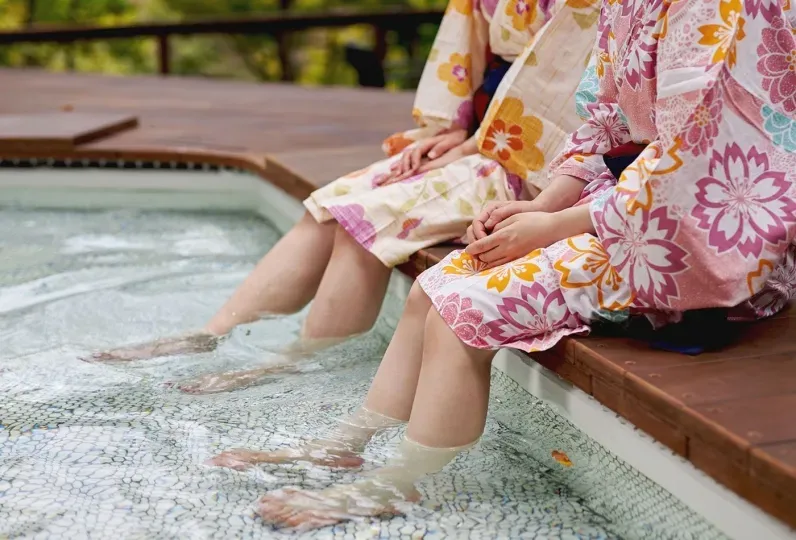
【完全ガイド】箱根観光モデルコース1泊2日|車なしで楽しむ充実プラン!予算目安も - Relux Journal
箱根は、都心からアクセスしやすく、豊かな自然と歴史に彩られた車なしでも楽しめる人気の観光地です。1泊2日で箱根の魅力を満喫できるモデルコースをご紹介します。さらに移動に便利な「箱根フリーパス」の活用法や、旅行の予算の目安についても解説!
rlx.jpNikko
Nikko works well for travelers who want to weave history and nature into a single trip. About 2 hours from Tokyo, it lets you combine the grandeur of Nikko Toshogu Shrine with the open scenery of Lake Chuzenji in one overnight stay. Allocating 2 to 4 hours for Toshogu keeps the pace comfortable, and adding a lake cruise or lakeside stroll creates a weekend trip that goes beyond city walking.
Budget is around 20,000-50,000 yen (~$130-330 USD). Public transit handles the route comfortably. Solo travelers can focus on the shrine district, couples can fold in lakeside walks, and families can split the day between Toshogu in the morning and the lake in the afternoon. Autumn foliage season is an especially strong match, and the seasonal payoff here is reliable.
Lake Kawaguchi
Lake Kawaguchi is the go-to for anyone who wants Mt. Fuji as the star of their overnight trip. Lakeside viewpoints, Oishi Park, the ropeway, and onsen inns combine into a half-day to full-day itinerary with a strong visual anchor. Since scenery is the purpose, spending longer at one great vantage point beats hopping between too many spots.
Budget is around 20,000-50,000 yen (~$130-330 USD). Public transit gets you there, but a car makes it significantly easier to connect the scattered viewpoints. A good fit for solo photographers, couples seeking a sense of escape, and families who prefer fewer stops with young children. As a flagship scenic destination, Lake Kawaguchi rewards travelers who arrive with a clear purpose.
Kanazawa
Kanazawa delivers a compact, walkable cultural experience in city form. Higashi Chaya District is about 10 minutes by bus from Kanazawa Station, with roughly 60 minutes of strolling time. The lattice-fronted townhouses are worth the visit on their own. The 21st Century Museum of Contemporary Art is also about 10 minutes by bus from the station; a quick visit to the free-access zone takes 30 to 60 minutes, while including exhibition galleries extends it to 1.5 to 3 hours.
Budget runs 30,000-50,000 yen (~$200-330 USD). Public transit is the way to go, making Kanazawa ideal for car-free visitors. Solo travelers can quietly explore the museum and tea district, couples can weave in wagashi sweets and traditional cuisine for a slower pace, and families can add Kenrokuen Garden and Omicho Market. The manageable distances between attractions keep an overnight trip from feeling strained.
Niigata
Budget sits roughly in the 20,000-30,000 yen range (~$130-200 USD). Attractions and dining cluster near the station, so you can start exploring the moment you arrive. That said, depending on the season, your accommodation, and travel choices, costs can stretch to around 40,000 yen (~$260 USD). Ponshukan, connected directly to Niigata Station, offers a sake tasting experience where 500 yen (~$3.30 USD) buys five tokens for sampling different brands, giving even a short trip an unmistakable Niigata feel.
Budget is 20,000-40,000 yen (~$130-260 USD). Public transit handles everything well, and the car-free experience here is polished. JR East's Niigata Sightseeing Model Course 2026 demonstrates how easily station-based itineraries come together. For comparison with other short shinkansen trips, see our article on day trips within 2 hours of Tokyo by bullet train.
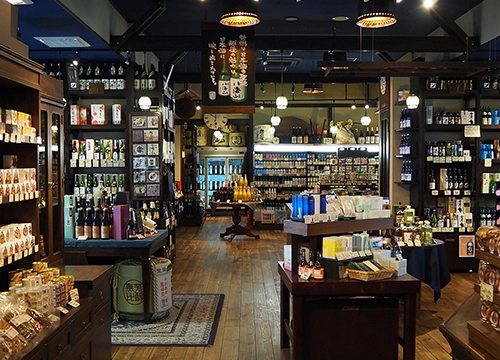
新潟駅 | ぽんしゅ館
新潟駅 | 【越後魚沼のドラマを食で語る】 越後のお酒ミュージアム「ぽんしゅ館」 越後湯沢のエキナカスポット。越後新潟が誇る特産品やお土産品などを沢山取り揃えています。 唎酒体験をしたり、名物「爆弾おにぎり」を食べたり、エキナカなのに天然温
www.ponshukan.comMatsushima
Matsushima rewards travelers who prefer to take their time with scenery rather than rush between spots. The bay views anchor the experience, and cruise boats, Zuiganji Temple, and seaside restaurants connect naturally without strain. A Zuiganji visit takes roughly 30 to 40 minutes, and even without packing in many stops, the trip feels full. For a scenic destination, Matsushima is unusually well suited to public transit.
Budget is 30,000-60,000 yen (~$200-400 USD). Couples can build a relaxed trip around the bay views, families can center theirs on the cruise, and solo travelers can savor the quiet meeting of temple and sea. Since the main attraction is the view itself, a leisurely pace beats a hurried one.

拝観案内|国宝 瑞巌寺
瑞巌寺は正式名称を「松島青龍山瑞巌円福禅寺」といい、現在は臨済宗妙心寺派に属する禅宗寺院です。長い歴史を有する当山には、様々な時代の文化財が伝えられています。
www.zuiganji.or.jpToyama
Toyama is a city where a quiet, car-free weekend trip comes together easily. Fugan Canal Kansui Park sits just a 9-to-10-minute walk from Toyama Station. That short distance is enough for the scenery to shift completely, and a simple stroll delivers genuine travel atmosphere. Compact but satisfying in food and scenery, Toyama works well without any impulse to overschedule.
Budget is 20,000-40,000 yen (~$130-260 USD). Public transit works perfectly, and station-based itinerary planning is straightforward. The official Toyama Station overnight itinerary shows how walking and local transit can carry the entire trip, making it accessible for solo travelers and families alike. Best for people who value low travel stress and a calm atmosphere over flashy sightseeing.

アクセス | 富山県富岩運河環水公園
www.kansui-park.jpSapporo
Sapporo is for anyone who wants a dense urban food-and-sightseeing experience even on a flight-based trip. At 50,000-70,000 yen (~$330-460 USD), it runs highest among the 12, but the sheer strength of the food scene and walkability make satisfaction easy to build. Extending to the Otaru Canal adds a port-town dimension. The canal is about 10 minutes on foot from Otaru Station, and a standard cruise lasts around 40 minutes.
Public transit works well, and car-free travel is comfortable. Winter snowscapes, couple food tours, family event trips, and solo city walks all fit naturally. The distance is real, but the on-the-ground density makes even an overnight stay feel worthwhile.
Fukuoka
Fukuoka represents the ultimate city-type weekend trip. The subway from Fukuoka Airport to Tenjin takes about 10 minutes, an airport-to-city proximity that is hard to beat anywhere. Even with a Saturday-morning departure, you can be eating and exploring by noon. Adding Dazaifu Tenmangu Shrine pushes the trip beyond a simple city stay. Allow 1.5 to 2 hours for Dazaifu, including the approach road walk, to fully absorb the atmosphere.
Budget is 30,000-50,000 yen (~$200-330 USD). Public transit handles everything easily. A strong fit for solo travelers prioritizing food, couples on a quick weekend escape, and families wanting a balanced mix of city walking and shrine visits. Travel media covering car-free Fukuoka itineraries consistently highlight this ease of movement as the city's biggest draw.
福岡観光の車なしモデルコースを日帰り・1泊2日・2泊3日で紹介!|旅を楽しむふるさと納税「旅先納税」
portal.tabisaki.giftHiroshima & Miyajima
Hiroshima and Miyajima suit travelers who want history and coastal scenery in a single overnight trip. The Peace Memorial Park and Itsukushima Shrine provide two unmistakable anchors, making planning straightforward. City sightseeing alone is viable, but crossing to Miyajima Island adds the feeling of having traveled somewhere truly special. Public transit handles the route well, and the travel logic is easy to map out.
Budget is 40,000-60,000 yen (~$260-400 USD). Solo travelers can spend time reflecting on history, couples can build around Miyajima's scenery, and families can fold in educational elements. For regional itinerary planning, themed approaches like those in Discover Chushi Japan's "Chugoku-Shikoku 1-Night 2-Day Course" pair well with this area.
| Discover Chugoku Shikoku
Discover Chugoku Shikoku (DiCS) - 日本西部の隠れた宝庫ӌ
discover-chushi-japan.comNagasaki
Nagasaki is a city where the atmosphere itself is the attraction. Hillside streets, harbor views, night panoramas, and architecture with international influences pack tightly together, creating travel atmosphere without needing to visit many individual spots. The frequent shifts in scenery mean that walking and hopping trams alone builds a satisfying overnight rhythm.
Budget is 40,000-60,000 yen (~$260-400 USD). Public transit handles the city well. Solo travelers gravitate toward the street walks, couples toward the night views, and families toward the blend of history and harbor exploration. As a port city with strong seasonal character, Nagasaki pairs especially well with spring and autumn when walking conditions are comfortable. Visitors who prioritize mood over checklists will find a strong match here.
Detailed Itineraries for All 12 Overnight Courses in Japan
Tokyo: A 1-Night Downtown and New Landmark City Walk
Tokyo delivers a dense urban experience when you narrow your focus to one or two neighborhoods. The easiest framing pairs the old-town warmth of Asakusa with the modern contrast of waterfront and tower districts. Combining walking with subway and JR lines keeps the pace smooth without a car.
Day 1 flows naturally when you start in Asakusa. Arrive at Asakusa Station and walk about 3 minutes to Senso-ji Temple. The classic route from Kaminarimon Gate through Nakamise-dori to the main hall works best when you linger at the food stalls and souvenir shops rather than making it purely a worship stop. Around midday, walk along the Sumida River to shift the scenery, then use the Ginza Line, Toei lines, or JR to head toward Tokyo Tower. Allow 60 to 120 minutes for Tokyo Tower, adjusting for crowds and which observation decks you visit. For dinner, the Shiba, Shimbashi, or Ginza neighborhoods offer everything from century-old Western-style restaurants to izakayas.
Day 2 can flex based on where you stayed, but heading toward Ueno, Marunouchi, or the waterfront typically provides good balance. A morning walk around Ueno Park, one museum visit, lunch near Tokyo Station, and a stroll through the Marunouchi district makes a clean closing arc. If you prefer views over exhibitions, shorten the indoor time and spend it around the Tokyo Station building or a waterfront promenade for a properly metropolitan finish.
Summing up, the Tokyo course is built for public transit. One-way access from airports to central Tokyo is fast, making it the definitive city-type overnight trip. Budget is roughly 20,000-40,000 yen (~$130-260 USD) per person. A natural fit for first-time overnight travelers, solo city walkers, and families looking to cover the classics without overreaching.
On rainy days, shift Day 2 toward museums and indoor attractions to reduce walking strain. If time opens up, add a sweets stop near Asakusa or extend your Tokyo Tower visit into the evening-view hours for easy schedule padding.
Hakone: Lake Ashi and Gora With Minimal Transfers and Maximum Onsen Time
The key to a successful Hakone overnight trip is resisting the urge to cover the entire area. Focus on the Lake Ashi side and the Gora side, and keep your transfer count low. In an onsen-town trip, the quality of your inn stay shapes the whole experience, so limiting sightseeing to 3 or 4 spots actually raises the bar.
Day 1 starts with the Hakone Tozan Railway from Odawara to Gora. Drop your bags at the inn, then move around the area. Arrive around late morning, grab lunch in Gora, and take the ropeway to Owakudani. The escorted viewing itself runs about 40 minutes, but factoring in ropeway connections, the famous black eggs, and photos, budget 1.5 to 2 hours for the full Owakudani experience. Return to your Gora inn by late afternoon, check in early, and give the onsen the spotlight it deserves. That is how Hakone is meant to be used.
Day 2, head from the inn toward Togendai and spend your time at Lake Ashi, where the scenery tends to leave a lasting impression. Cruise routes vary, but the time on the water itself carries a sense of travel that road-based sightseeing cannot match. On clear days, Mt. Fuji appears from the deck, adding an extra layer of atmosphere. At Moto-Hakone or Hakone-machi Port, walk the lakeshore and combine lunch at a local restaurant, such as a smelt dish or lakeside dining, to bridge sightseeing and food naturally. Return toward Hakone-Yumoto or Odawara by bus or boat.
The Hakone course is built for public transit and pairs well with onsen-focused couple or spousal trips and short Friday-night healing getaways. Budget is roughly 20,000-50,000 yen (~$130-330 USD) per person.
⚠️ Warning
At Hakone, satisfaction tends to rise when you protect your inn time rather than adding more stops. For an overnight trip, splitting sightseeing into half-day blocks and reserving ample time for onsen and meals is a more reliable formula.
On rainy days, shorten your Lake Ashi time and redirect to museums and cafes around Gora. If extra time opens up, a single mid-ride stop on the Hakone Tozan Railway to enjoy the views from the window is enough variety without overstuffing the schedule.
Nikko: Two Days of World Heritage and Lake Chuzenji Serenity
Nikko gains depth when you push beyond the shrine district and climb to Lake Chuzenji. The combination of history and highland scenery in a single flow makes it an outstanding choice for anyone who wants to feel the seasons.
Day 1 follows the standard route: bus from Nikko Station to the Toshogu area, about 10 minutes to the Nishi-sando stop followed by a 10-minute walk. Allow 2 to 4 hours for a comfortable visit to the main highlights. Following the Yomeimon Gate and the Sleeping Cat through the cedar-lined approach, the atmosphere alone justifies treating the shrine complex as the day's centerpiece. Yuba (tofu skin) cuisine makes a fitting lunch to anchor the Nikko flavor. In the afternoon, you can extend to Futarasan Shrine or Rinnoji Temple, but avoiding overscheduling and heading to your Lake Chuzenji accommodation early for an onsen soak keeps the pace relaxed.
Day 2, make the lake the star to create a clean contrast with Day 1. A lakeside stroll is refreshing on its own, and a cruise adds the view from the water. The full loop takes about an hour and feels especially rewarding in the clear morning air, when the highland stillness is most palpable. Afterward, visit the Tachiki Kannon side or a lakeside cafe, then head back toward the station around midday without strain. Stunning during autumn foliage, the area also shines with fresh green in early summer.
This course is built for public transit and suits solo history lovers, families wanting an educational element, and anyone seeking cool mountain air even in summer. Budget is roughly 20,000-50,000 yen (~$130-330 USD) per person.
On rainy days, weight Day 1 toward the shrine district and keep Day 2 to short scenic views from sheltered spots. If time opens up, a sweets stop along the Toshogu approach road or a slightly longer lakeside sit is all you need.
Lake Kawaguchi: Mt. Fuji Views and Lakeside Onsen for a Change of Pace
Lake Kawaguchi is one of the easiest destinations for turning scenery into the trip's purpose. A visible Mt. Fuji immediately elevates the entire stay, and you do not need a long list of stops to build satisfaction. A car helps, but sticking to the station area and lakeshore keeps a public-transit trip viable.
Day 1 starts from Kawaguchiko Station and heads to lakeside viewpoints. Oishi Park, where Mt. Fuji and the lake compose beautifully together, sets a strong opening. Lunch at a lakeside cafe or a hoto noodle restaurant adds Yamanashi character. Follow up with a cruise or the ropeway for a classic sequence. Altogether, the main lakeside viewpoints, cruise, and ropeway occupy about 3 to 4 hours at a comfortable pace. By late afternoon, check into an inn with an onsen overlooking the mountain. Watching Fuji from the bath or your room is this area's signature strength.
Day 2 is about chasing the morning Fuji. The air tends to be clearest early, and a lakeside walk may reveal a mountain that clouds hid the previous day, completely reshaping the trip's impression. Hit one or two additional lakeside spots in the morning and return to the station before lunch for a well-rounded photography trip. Since scenery is the main character, keep Day 2 light and flexible enough to respond to visibility conditions.
Lake Kawaguchi leans car-friendly but is doable by public transit. Budget is roughly 20,000-50,000 yen (~$130-330 USD) per person. Ideal for photographers, couples seeking an escape from routine, and anyone who wants to enjoy onsen and scenery in quiet surroundings.
On rainy days, shift toward cafes, craft workshops, and longer inn time to maintain trip density. If extra time appears, walking the lakeshore again to watch how Fuji reveals itself differently is the most rewarding use of a spare hour at Lake Kawaguchi.
Kanazawa: Higashi Chaya District and Contemporary Art on Foot
Kanazawa is a walkable city-type overnight trip where tea districts, sweets, crafts, and art connect through short distances. Even with a generous number of stops, the itinerary rarely falls apart.
Day 1 starts with a bus from Kanazawa Station to Higashi Chaya District, about 10 minutes. The best time to visit is early, when foot traffic is light and you can absorb the lattice-doored townscape at your own pace. Gold-leaf shops, wagashi confectioners, and teahouse architecture fill roughly 60 minutes of strolling. Shift toward Omicho Market for a seafood-centered lunch to experience Kanazawa's culinary strength. In the afternoon, extend your walk to the Kenrokuen Garden area or take the bus back to your hotel to rest your feet. Dinner should lean into local fish and jibuni stew for regional color.
Day 2 anchors on the 21st Century Museum of Contemporary Art for a clean contrast with Day 1's traditional aesthetic. The museum is about 10 minutes by bus from the station. The free-access zone alone takes 30 to 60 minutes; with exhibition galleries, plan for 1.5 to 3 hours. If you want to see the underground view of the Swimming Pool installation, carve out 30 to 60 minutes as a standalone block so it does not disrupt the rest of your plan. After lunch, walk through the Korinbo and Hirosaka neighborhoods with a cafe break to close out a trip that captures the Kanazawa way: a city best enjoyed on foot.
This course is built for public transit and suits girls' trips, solo cultural exploration, and low-key couple getaways. Budget is roughly 30,000-50,000 yen (~$200-330 USD) per person.
Even on rainy days, Kanazawa holds up because the tea district's indoor shops and the museum absorb schedule disruptions easily. If extra time opens up, revisiting Higashi Chaya District in the late afternoon reveals a completely different mood from the morning.
Niigata: Sake and Seafood on a Station-Based City Walk
Niigata is a city where food drives the itinerary more effectively than sightseeing spots. Rather than collecting attractions, approaching it as "tasting your way through the station area" raises satisfaction.
Day 1 starts right at Niigata Station. Head straight to Ponshukan, connected directly to the station. The tasting counter gives you 5 tokens for 500 yen (~$3.30 USD) to sample different regional sakes, flipping the switch to Niigata mode instantly. Lunch combines seafood rice bowls, sushi, or hegisoba noodles near the station. In the afternoon, walk toward the Bandai area and along the Shinano River to get a feel for the city's scale, turning the trip into something beyond food alone. Dinner should center on small plates and fish that pair with local sake to capture the Niigata evening mood.
Day 2, head back to the station area or toward a market after breakfast. Browse local sake and rice crackers as souvenirs, fit in one more seafood meal before lunch, and catch your train home. Keeping the scope tight around the station prevents travel fatigue even on a short trip. My sense is that Niigata is a city where the itinerary should be built around "what to eat" rather than "where to go."
This course is built for public transit. Suited for solo travelers who enjoy sampling sake at their own pace, couples targeting local sake and seafood, and families who want an easy city walk. Budget is roughly 20,000-30,000 yen (~$130-200 USD) per person, though it can stretch to around 40,000 yen (~$260 USD) depending on season and accommodation.
On rainy days, staying inside the station and its immediate surroundings keeps the trip comfortable. If extra time opens up, a return visit to Ponshukan or a cafe break is enough to fill the gap. That flexibility is one of Niigata's strengths.
Matsushima (Sendai): Bay Islands and the Cultural Depth of Zuiganji
Matsushima works best when you slow down and let the open views fill the time rather than rushing between spots. It pairs well with Sendai as a base, and an overnight trip can focus on Matsushima alone or combine it with Sendai city.
Day 1 starts in the Matsushima Kaigan area. Settle in with lunch featuring seafood while overlooking the bay; oysters and seafood bowls match the setting perfectly. In the afternoon, board a cruise boat to see the island silhouettes from the water, then stroll around Godaido Hall and the shoreline. The layers of Matsushima's scenery start to emerge. An accommodation with a bay view amplifies this itinerary's appeal.
Day 2 shifts to Zuiganji Temple as the main focus, naturally transitioning from Day 1's visual theme to a cultural one. Zuiganji takes about 30 to 40 minutes, and visiting in the quiet morning hours lets you absorb the atmosphere fully. Afterward, walk the approach road and surroundings at an easy pace, stopping at a cafe or souvenir shop before heading back toward Sendai. A beef tongue lunch near Sendai Station rounds out the food impressions for the trip.
This course is built for public transit and suits couples who want to linger over scenery, families looking to mix cultural sites into the trip, and solo travelers drawn to the quiet meeting of sea and temple. Budget is roughly 30,000-60,000 yen (~$200-400 USD) per person.
On rainy days, shorten the cruise and shift weight toward Zuiganji and indoor stops. If extra time opens up, simply extending your time at a bay overlook is enough to make the trip feel complete. At Matsushima, that kind of stillness is the point.
Toyama: Kansui Park Scenery and the Iwase Townscape
Toyama comes together when you combine the convenience of the station area, waterside views, and a short excursion to a quieter historic neighborhood. You do not need to pack the schedule to build satisfaction here; the quality of the scenery does the work.
Day 1 starts at Toyama Station with a 9-to-10-minute walk to Fugan Canal Kansui Park. Despite the short distance, the view opens dramatically and delivers an instant sense of arrival. Walk the Tenmon Bridge and canal, stop at a cafe for a break by the water, and the time itself becomes worthwhile. The park transforms from afternoon into evening, so setting aside time for the night view around check-in creates a lasting impression. Dinner near Toyama Station, focused on shiro-ebi (white shrimp) and sushi, pairs the city's quiet character with its culinary punch.
Day 2 expands via the tram or a local train line to the Iwase district, where a port-town atmosphere and older streetscapes add a different layer. Against the modern, curated feel of Kansui Park, Iwase offers the calm texture of history. A morning walk through the neighborhood and a seafood-centered lunch before returning to Toyama Station by afternoon keeps the schedule strain-free.
This course is built for public transit and suits solo travelers seeking a quiet weekend, couples wanting a relaxed pace, and car-free visitors who appreciate a compact city. Budget is roughly 20,000-40,000 yen (~$130-260 USD) per person.
On rainy days, shorten the park walk and build more time around station-area dining and indoor stops. If extra time appears, comparing the park in daylight and at night is a worthwhile exercise; the same place feels entirely different.
Sapporo: Market Food and Park Strolls in Hokkaido's Capital
Sapporo delivers an overnight trip where food and city exploration run at high density without breaking a sweat. Extending to Otaru is always an option, but this itinerary stays within the Sapporo city limits, linking market food, parks, and the nightlife district into a cohesive loop.
Day 1 starts with bags dropped near Sapporo Station or Susukino, then heads to Nijo Market or one of the outer-market food areas. A seafood rice bowl or grilled fish lunch sets a strong opening. Walk through Odori Park afterward to feel the city's openness. Depending on the season, flowers, snow, or event installations add distinct character, and the park walk alone carries Sapporo flavor. From late afternoon into evening, Susukino offers Genghis Khan lamb, miso ramen, and late-night parfaits. By the end of Day 1, the layered food scene starts to come into focus.
Day 2 shifts to greener areas like Nakajima Park or the Hokkaido University campus. The contrast with Day 1's bustling districts keeps a city trip from feeling repetitive. Work in a morning walk, a cafe pause, and a soup curry or Western-style lunch before heading to the airport. Starting with the market on Day 1 removes the pressure to rush for food on Day 2, opening space for a slower pace.
This course is built for public transit. Suited for travelers who want regional food as the main event, winter city scenery seekers, and anyone willing to travel far for high on-the-ground density. Budget is roughly 50,000-70,000 yen (~$330-460 USD) per person.
On snowy or rainy days, shorten park time and string together cafes and commercial facilities. If extra time opens up, walking Odori or Susukino again at night for a different perspective fits Sapporo well.
Fukuoka: A Hakata-Tenjin Food Tour With a Dazaifu Side Trip
Fukuoka comes together cleanly when you split Day 1 into city food and Day 2 into Dazaifu. That structure captures both the city-type mobility and the mini-excursion feel in a single weekend.
Day 1 centers on the Hakata Station and Tenjin areas. Start with a Hakata ramen or sesame mackerel lunch, then walk Nakasu-Kawabata and Tenjin through the afternoon, mixing in cafes and shopping. The compact layout of Fukuoka's core makes this obvious once you start moving. From evening onward, the yatai street stalls deliver an unmistakably Fukuoka scene. Distances stay walkable, so even on arrival day the pace rarely feels forced.
Day 2, take the Nishitetsu line to Dazaifu. Dazaifu Tenmangu Shrine, including the approach road, takes 1.5 to 2 hours at a comfortable pace. The road from the station to the shrine essentially is the sightseeing, with umegae-mochi rice cakes to snack on along the way. Visit the main hall in the morning, then browse nearby cafes and cultural spots. In the afternoon, return to Fukuoka city for a late lunch or grab one last meal near Hakata Station before heading to the airport.
This course is built for public transit and suits solo food-focused travelers, couples on a quick weekend getaway, and families balancing city walks with a shrine visit. Budget is roughly 30,000-50,000 yen (~$200-330 USD) per person.
On rainy days, extend city-based time and keep Dazaifu to a shorter approach-road walk. If extra time opens up, souvenir shopping and a light snack near Hakata Station fill the gap neatly.
Hiroshima & Miyajima: The Contrast of Peace and Itsukushima Shrine
Hiroshima and Miyajima produce a memorable overnight trip when you frame it as a contrast between a city's memory and a coastal icon. The Peace Memorial Park and Itsukushima Shrine are such clear anchors that planning practically writes itself.
Day 1 stays within Hiroshima city. Spend meaningful time at the Peace Memorial Park and Museum, and fit in an okonomiyaki lunch for a dose of local flavor. Walking from the Atomic Bomb Dome onward, the city's present and history layer visually along the route. A light afternoon walk around the city center and a Hiroshima city stay sets up Day 2 comfortably. Resist the urge to expand too much on Day 1; the area already runs at high density.
Day 2, head to Miyajima Island early. The ferry crossing itself resets the mood completely. Watching the torii gate emerge from the water creates genuine excitement even on a short trip. On the island, the Omotesando shopping street offers anago eel and momiji manju for satisfying food-and-walk segments. A short stroll along the shore after visiting the shrine reveals a pace entirely different from Hiroshima city.
This course is built for public transit and suits couples, families seeking a "learning meets scenery" experience, and anyone who wants to cover both in one trip. Budget is roughly 40,000-60,000 yen (~$260-400 USD) per person.
On rainy days, increase indoor time in Hiroshima city and narrow Miyajima to the shrine and food. If extra time opens up, lingering by the sea on the Miyajima side is enough to bring out the best of this itinerary.
Nagasaki: Tram-Hopping Between Night Views and Exotic Streetscapes
Nagasaki is a city where the combination of hillside streets and trams is itself the sightseeing. For an overnight trip, build daytime around the exotic streetscapes and nighttime around the elevated views for a distinctly Nagasaki finish.
Day 1, starting from Nagasaki Station or the city center, ride the tram to begin exploring. Link Dejima, Shinchi Chinatown, and the Dutch Slope area to layer the port-town atmosphere with Western-influenced architecture. Lunch on champon noodles or sara-udon, then head toward Oura Church and the Glover Garden area in the afternoon. The hills are real, so building in a cafe break per neighborhood keeps the walking pleasant and the density high. Nighttime calls for the Inasayama area night view, which gives the trip its defining scene.
Day 2, incorporating the Peace Park and Urakami area reveals a different side of Nagasaki from Day 1's international flair. Cover the quieter district in the morning, shift the lunch direction toward harbor-side seafood or a Turkish rice plate for variety, then tram back to the center and enjoy the ride itself as a travel moment on the way out. Nagasaki is a city where transit carries its own atmosphere, so favoring "ride, get off, walk a little" over a packed schedule fits the rhythm.
This course is built for public transit and suits solo street walkers, couples drawn to night views, and families weaving culture and history together. Budget is roughly 40,000-60,000 yen (~$260-400 USD) per person.
On rainy days, reduce hillside climbing and focus on tram-based routing. If extra time opens up, spending it at a harbor-view spot or a kissaten coffee house deepens the Nagasaki atmosphere.
Budget Guidelines and Tips for Keeping Costs Down
An overnight domestic trip in Japan holds together better when you set an upper budget first rather than building costs on the fly. Typical ranges including accommodation, transport, and meals are roughly 20,000-30,000 yen (~$130-200 USD) for solo travelers, 40,000-50,000 yen (~$260-330 USD) for couples, and 60,000-80,000 yen (~$400-530 USD) for a family of three. Picking destinations that fit within these ranges simplifies planning immediately. On a weekend trip, the short stay means any imbalance, spending too much on transport or overweighting accommodation at the expense of local spending, directly affects how the trip feels.
Regional differences matter here. Onsen towns and destinations requiring flights tend to run higher, while nearby public-transit-friendly areas are easier to adjust. Overnight benchmarks: Hakone at 20,000-50,000 yen (~$130-330 USD), Nikko at 20,000-50,000 yen (~$130-330 USD), Matsushima at 30,000-60,000 yen (~$200-400 USD), and Sapporo at 50,000-70,000 yen (~$330-460 USD). Hakone and Nikko keep transport costs low, which lets accommodation grade drive the range. Sapporo's transport share runs higher, pushing the total up a tier. Matsushima falls in the middle, with seafood spending being the main variable.
Start With Total Budget and Transport-Accommodation Split
My approach is to allocate more than half the total to transport and accommodation as the foundation. On an overnight trip, meal counts are limited, so getting the movement and sleep quality right first tends to stabilize satisfaction. For onsen-town trips, weight the inn more heavily; for city trips, prioritize transport. The split follows the trip type.
The planning sequence is simple:
- Set your upper budget
- Allocate transport and accommodation shares first
- Prioritize destinations where rooms are available within that budget
- Check for seasonal events and decide whether to avoid peak-pricing dates
This order prevents the common failure of choosing a destination first and then discovering the budget does not stretch. Cherry blossom season, snow festivals, autumn foliage, and long weekends all push accommodation prices, so checking for events early is worth the effort.
Saving Money Is About Booking Strategy, Not Sacrifice
The most effective cost reduction comes from how you book, not what you skip on the ground. Early-bird discounts on shinkansen tickets and flights can reshape the entire trip's budget impression. The further the destination, the bigger the impact. For a place like Sapporo, where transport dominates the cost structure, early booking is especially powerful.
In onsen areas, transit passes are a natural fit. Destinations like Hakone, where you combine mountain trains, ropeways, cruise ships, and buses, work better with a multi-ride pass than individual tickets. The benefit is less about raw savings and more about simplifying your entire route, which incidentally also reduces unnecessary transfers.
Accommodation does not need to be the cheapest available. Station-adjacent hotels may look pricier, but on a short trip they eliminate luggage shuttling, extra taxi rides, and wasted time, often producing better overall value. On the flip side, if food is the trip's focus, choosing a room-only plan and spending breakfast and dinner budgets at local restaurants, markets, and station-area spots raises satisfaction in its own way. Cities like Niigata and Fukuoka, where station-area dining is strong, reward this approach especially well.
Timing also moves the needle. Off-peak periods and weekday-adjacent schedules change accommodation availability even at the same destination. Shifting from a Friday-night departure with Saturday accommodation to a slightly less peak schedule can open up budget room. Onsen towns see the biggest weekend premium, so this effect is particularly visible there.
ℹ️ Note
The combination with the strongest cost-to-satisfaction ratio: early-bird transport tickets, a transit pass for local travel, a station-adjacent or room-only inn, and a slightly off-peak schedule. Stacking two or three of these together creates a noticeable difference.
A Budget Template That Keeps Spending Visible
If budgets tend to blur, splitting the total into five categories provides clarity: transport, accommodation, admission fees, meals, and cafes/souvenirs. The biggest swings come from transport and accommodation; food adjusts to trip style. Solo travelers can add cafe stops without breaking the bank, while family trips see admission fees and meal costs climb more quickly.
For instance, a solo budget of 20,000-30,000 yen (~$130-200 USD) builds its foundation on transport and accommodation, distributing the remainder across admissions, meals, and cafes or souvenirs. For couples, transport and food scale with two people, so finding areas of shared cost matters. For a family of three, room type and meal plan at the inn tend to drive the total, making accommodation the first thing to pin down.
A budget is not a constraint on freedom; it is a filter that makes destination selection easier. Set the frame first, and the more options you have, the less you agonize.
Destinations by Public Transit Access vs. Car Convenience
When choosing a destination by ease of movement, the first questions are how close the station or airport is to the sightseeing starting point and whether the local transit network connects the main spots. On a weekend overnight trip, limited time means complex transfers drain both energy and mood. Cities where you transition straight from arrival to sightseeing keep satisfaction stable even on a short schedule.
How to Think About Public-Transit-Friendly Destinations
The standout examples for public transit are Tokyo, Fukuoka, Niigata, Toyama, Hakone, and Sapporo. What they share is a fast connection from station or airport to city center, plus onward sightseeing that works smoothly on trains, subways, and buses.
Tokyo is the clearest case: Haneda Airport to Shinagawa or Hamamatsucho in about 13 minutes. From there you step directly onto the Yamanote Line or subway, and with a centrally located hotel you can drop your bags and start walking almost immediately. Classic stops like Senso-ji, just 3 minutes on foot from Asakusa Station, keep transition losses minimal. Fukuoka is equally impressive: subway from Fukuoka Airport to downtown in about 10 minutes. That proximity means a Saturday-morning arrival gets you eating and exploring, or headed to Dazaifu, before lunchtime.
Niigata looks distant on a map but works surprisingly well for weekends. The Joetsu Shinkansen covers Tokyo to Niigata in about 2 hours, and once you reach Niigata Station, dining and sightseeing routes open up right away. Destinations with attractions you can access the moment you step off the train, like the station-connected Ponshukan sake hall, pair naturally with short trips. Toyama follows the same logic: Kansui Park sits just 9 to 10 minutes on foot from Toyama Station. Cities where sightseeing begins at the station resist schedule disruption even without a car.
Among onsen towns, Hakone is the exceptional public-transit performer. The Romancecar from Tokyo covers the distance in about 90 minutes, and the area is designed around combining the mountain railway, ropeway, pirate ship, and buses. From the Lake Ashi cruise to the Owakudani ropeway approach, you can build a photogenic itinerary without ever needing a car. Sapporo also connects well by rail from airport access through city exploration and onward to Otaru, supporting a train-based weekend framework.
Car-Friendly Destinations Tend to Be "Scattered-Point" Types
On the other hand, nature and scenic destinations like Lake Kawaguchi work more smoothly with a car. You can base yourself at Kawaguchiko Station, but lakeside viewpoints and observation decks spread widely, and relying solely on public transit means more time spent waiting. Connecting Oishi Park, lakeside photography spots, and the ropeway area in a single day becomes far more flexible with a car. The more scenic the destination, the more the distance between stops matters rather than the stops themselves.
The rough distinction: public-transit destinations are line-connected trips where you flow from station to station or station to walking zone. Car-friendly destinations are point-collecting trips where you hop between dispersed highlights. Tokyo, Fukuoka, and Niigata move in a continuous line. Lake Kawaguchi and the Tateyama area offer individually powerful scenery, but you need to bridge the gaps yourself.
Weekend Trips Get More Stable When You Reduce Transfer Counts
When I plan an overnight itinerary, I prioritize cutting the number of transfers and moves over adding sightseeing highlights. Weekend trips are vulnerable because a single missed connection or traffic delay ripples through the entire plan. A trip with fewer moves protects your meal time and scenic breathing room more reliably than a packed itinerary.
For public-transit cities, keeping it to "2-3 station-adjacent spots plus dinner near your hotel" hits a comfortable pace. Even at Hakone, narrowing to one or two areas instead of ticking off every stop on the mountain railway, Lake Ashi, and Owakudani usually produces higher satisfaction. Owakudani, factoring in the ropeway connections and on-site time, takes about 1.5 to 2 hours as a full visit. The shorter the trip, the more it helps to avoid turning transit into the main event.
💡 Tip
On a weekend overnight trip, count how many times you move with your luggage rather than how many places you want to see. Staying at a station-adjacent hotel and limiting yourself to roughly one area per day actually raises trip density.
Deciding on a Rental Car: Weather, Companions, and Traffic
Even at strong public-transit destinations, conditions sometimes make a rental car the easier choice. The three most useful factors to weigh are weather, who you are traveling with, and expected traffic.
On rainy days, city destinations with subways and indoor options handle the weather better than nature-focused walking trips. For families with children, minimizing transfer counts matters even more, and renting a car for a half day of suburban stops is a practical hybrid. On the other hand, when traffic congestion is predictable around popular tourist areas, forcing a car into the plan actually increases stress.
Ultimately, the car question is better answered by what you prioritize on this particular trip than by whether a destination is generically car-friendly. If you want to minimize transit anxiety, pick a strong public-transit city. If you want to collect scattered viewpoints, rent a car at a place like Lake Kawaguchi. Making that distinction upfront simplifies destination selection considerably.
Best Destinations by Season in Japan
Choosing your destination by season can dramatically change how satisfying even a short overnight trip feels. Nature-focused destinations in particular look completely different depending on the month, so thinking about "when to go" alongside "where to go" produces more reliable results. When I plan a weekend trip, I usually pick one seasonal highlight first and then build food and onsen around it. That sequence keeps the itinerary focused.
Spring
Spring lends itself to trips built around flowers and soft light. Kanazawa leads with cherry blossoms at Kenrokuen Garden, where the spring brightness complements the castle town's composed atmosphere. Even Higashi Chaya District, which can feel weighty in other seasons, takes on a lighter character during blossom time. When cherry blossoms draw crowds early, visiting Kenrokuen first and shifting tea districts and museums to later in the day works well.
Matsushima does not headline with cherry blossoms specifically, but the period when island silhouettes, the bay, and fresh greenery all emerge together is deeply pleasant. Spring in Matsushima softens the tension of winter, and both cruises and shoreline strolls become more enjoyable. The approach road and grounds of Zuiganji also benefit from the mild air. Seaside destinations like this fill up from late morning on holidays, so aim for morning scenery and afternoon food if you prefer a quiet pace.
Lake Kawaguchi shines when spring flowers and Mt. Fuji share the frame. Blooms along the lakeshore elevate photo quality, and Fuji itself appears gentler against a spring backdrop. As a scattered-point destination, how you sequence your moves during peak bloom affects the experience. Popular photography spots are calmer in the morning; midday brings parking and road congestion.
Summer
Summer trips hinge on how you handle the heat. For energy and excitement, Niigata delivers clearly: the feel of the sea and summer festival buzz become the trip's main characters. The station-area food strength carries over, and summer adds street-level liveliness. Seafood and cold noodles by day, festivals and local sake by night, the flow builds naturally. Major event weekends shift hotel availability, and the station area comes alive from evening onward.
To escape the heat, Sapporo is a strong match. Summers in Hokkaido remain comparatively mild, making city walks less taxing than in Honshu cities. An overnight trip with daytime sightseeing and evening food focus produces solid density. Sapporo's summer event season concentrates tourism demand, pushing central hotel prices and popular restaurant wait times up earlier than you might expect.
Toyama gains from its waterside evening views in summer. Fugan Canal Kansui Park has daytime appeal, but summer evenings bring a different atmosphere as bridge lights and water reflections emerge. Keeping the daytime light and placing the emphasis on the dusk-to-night transition creates a lasting impression even on a short stay. Fireworks or illumination events draw crowds to the park area, so expect a different feel from a quiet weekend stroll.
Autumn
Autumn is the most straightforward season for choosing a trip. Nikko and Hakone are reliable autumn-foliage destinations, perfectly suited to scenery-driven overnight visits. Nikko layers shrine architecture and mountain color, delivering history and nature in a single view. Extending to Lake Chuzenji deepens the autumn experience, though it also adds travel time. During peak foliage, starting early or staying the previous night works best. Hakone catches autumn color along Lake Ashi and through the mountain railway windows, pairing foliage with onsen effortlessly.
Nagasaki benefits from the crisp autumn air that sharpens the night view. Hillside walking, which can drain energy in summer, reaches a comfortable balance in fall. Daytime street exploration flows naturally into nighttime harbor and hilltop views. Peak weekends and holiday periods see crowds converge on the ropeway and night-view platforms from late afternoon onward.
Hiroshima & Miyajima feature Momijidani Park on Miyajima as autumn's star. The coastal shrine scenery gains a deeper layer when you walk slightly inland into the foliage. Autumn tourism demand on Miyajima is strong; ferries and the Omotesando shopping street fill from late morning. For a quiet walk through Momijidani, an early-morning visit is the right call, shifting to the shrine and food stops in the afternoon.
⚠️ Warning
At popular autumn-foliage destinations, how you navigate the crowds matters more than the scenery itself for overall satisfaction. Morning for scenery, afternoon for walks and onsen is a simple reorder that makes the same trip dramatically more comfortable.
Winter
Winter sharpens the identity of destinations through clear air and snow. Sapporo is the natural headliner: the city's infrastructure handles snow well, making it possible to enjoy winter scenery while keeping the trip logistically smooth. Snow-covered streets feel like travel on their own, and extending to Otaru adds the winter canal atmosphere. Snow naturally slows the pace, so a city-focused itinerary with less movement stays more stable than an ambitious one.
Kanazawa transforms in winter with yukitsuri, the rope supports protecting trees from snow in Kenrokuen Garden. The effect is a composed, restrained beauty distinct from spring's brightness. Higashi Chaya District also benefits from winter shadow and light, which bring out the texture of the townscape. Cold-weather outdoor walking tires you faster, so linking tea districts, museums, and restaurants in shorter segments keeps the day manageable.
Hakone pairs particularly well with winter open-air baths. Clear air sharpens the mountain views, raising the onsen experience itself. Lake Ashi and Owakudani take on winter expressions, but on especially cold days, shifting the balance toward inn time over outdoor sightseeing leads to a more comfortable stay. Year-end holidays and long weekends bring road and transit congestion, making winter Hakone better as "an onsen trip with scenery on the side" rather than a sightseeing-heavy plan.
When choosing by season, look beyond peak-viewing dates to what gets crowded in that season. For cherry blossoms, morning visits; for summer festivals, evening onward; for autumn foliage, early morning; for snow scenery, extra buffer time in your travel schedule. Weekend trips are short enough that hitting the right seasonal moment is powerful, but walking straight into peak crowds erodes the gain. Offsetting your timing from the crowd flow, even slightly, makes the same destination feel noticeably more comfortable.
Packing, Practical Tips, and Itinerary Tweaks for Overnight Trips in Japan
On an overnight trip, your packing and planning choices affect comfort disproportionately because on-the-ground time is so limited. My priority is always to reduce luggage and lighten every transit decision. Factoring in station transfers, the walk to your hotel, and exploring before and after check-in, a carry-on-size bag or a single backpack beats a suitcase every time. One night means minimal clothing changes, and downsized toiletries cut the need for coin lockers and staircase wrestling. At onsen towns, a thin quick-dry towel outperforms bulky bath towels. It dries fast enough to pack after a morning bath, making it a strong companion at places like Hakone where inn time is central. For rain gear, planning to grab an umbrella at a convenience store on the ground rather than packing a full rain setup from home keeps departure-day luggage lean.
Choosing Your Departure Time
Departure timing maps naturally to destination type. Friday-night departures pair with onsen towns: travel at night, check in, rest, and wake up Saturday morning ready to explore. Hakone is about 90 minutes from Tokyo on the Romancecar, making a post-work departure realistic. Arriving at the inn the night before gives you Saturday morning for the mountain railway and Lake Ashi itinerary.
Saturday-morning departures suit city-type destinations. Kanazawa puts you within reach of sightseeing quickly: Higashi Chaya District is about 10 minutes by bus from Kanazawa Station, and the 21st Century Museum is also about 10 minutes by bus. Fukuoka Airport to downtown is roughly 10 minutes by subway, so a morning departure still gets you walking the city by lunch. Whichever pattern you follow, the top priority should be protecting your sleep. A Friday-night departure suits some people, but for others, a rested Saturday-morning start produces a better trip overall. Walking famous sites while exhausted delivers less than starting an hour later with a clear head. For an overnight trip, alertness beats an early start.
Build Three Rainy-Day Alternatives Before You Leave
The most useful weather preparation for a weekend trip is not perfecting the clear-sky plan but having three indoor fallback options from the start. Nature and scenery-driven destinations are especially vulnerable to weather shifts. In Kanazawa, if outdoor walking falls apart, the 21st Century Museum of Contemporary Art absorbs the change: the free-access zone opens 9:00-22:00, exhibition galleries 10:00-18:00 (until 20:00 on Fridays and Saturdays), making it a flexible fallback. For Hiroshima and Miyajima, an indoor option like the Miyajima Aquarium rescues a day when the shoreline is off limits. In Niigata, the station-connected Ponshukan holds strong even when outdoor walking is impractical.
Varying the three alternatives by type, say a museum, a market, and a cultural facility, makes them adaptable to rain intensity and mood. Art, food, local culture: that three-pronged backup lets you pivot smoothly. Even at outdoor-heavy destinations like Lake Kawaguchi and Nikko, simply having a clear fallback prevents rushed decisions on the day.
Shift Timing to Beat Crowds
On an overnight trip, avoiding popular destinations entirely is less practical than sidestepping peak hours. The same spot can feel entirely different at dawn versus midday or under evening illumination. Higashi Chaya District in Kanazawa is more walkable in the quieter window before or after shops hit full stride. Fugan Canal Kansui Park in Toyama gains intensity when you shift from daytime strolling toward the dusk-to-night view. Otaru Canal, too, takes on a different personality under gaslight in the evening versus midday foot traffic.
For facilities that use reservations or numbered tickets, reducing decision time on site is its own form of efficiency. The Swimming Pool underground view at the 21st Century Museum in Kanazawa uses a same-day queue starting at 9:00 AM, so arriving early builds smoother flow. Owakudani's escorted entry operates on a reservation system with approximately 40-minute slots; including surrounding sightseeing, allocating 1.5 to 2 hours keeps things stable. Meals offer the largest crowd-avoidance margin: shifting lunch away from noon to a later slot dramatically cuts wait times at popular restaurants. Keeping mornings for the main attraction and pushing meals to early afternoon is especially effective on short trips.
💡 Tip
The biggest energy drain on an overnight trip is not the walking but the waiting. Cutting queue time, transfer gaps, and entry delays makes the same itinerary feel significantly easier.
Keep the Schedule Light: Less Is More
Weekend trips go wrong most often when the schedule is too full. A useful guideline: cap moves at 2-3 per day and main attractions at 3 per day for a stable foundation. Nikko Toshogu alone takes 2 to 4 hours when you walk the full circuit, so dedicating that day to the shrine district and not pushing for Lake Chuzenji prevents fatigue. A city like Niigata, where sightseeing clusters around the station, absorbs a walk-food-and-one-facility combination without strain. Identifying whether a destination rewards "moving around" or "staying put" calibrates your schedule density.
What I find most effective in practice is building 30 minutes of buffer into the plan from the start. A cafe break, a luggage swap, a wrong turn, browsing souvenirs: none of these reduce trip quality. In fact, that buffer lets you adjust your walking speed to match the neighborhood atmosphere. The most common overnight-trip mistake is overpacking Saturday so that Sunday morning starts with leftover fatigue. Factoring in breakfast, a morning bath, and the commute to the station, Sunday works best at a density of "see one thing, eat, head home."
A Decision Checklist for Your Next Move
When destination paralysis sets in, narrowing your comparison criteria beats adding more candidates. Five filters that cut through the noise:
- Narrow to 3 candidates
- Lock in your budget split
- Decide public transit or car upfront
- Check room availability
- Review seasonal events
Working through this list captures not just destination appeal but real-world weekend logistics. When two places look equally tempting, room availability and transit simplicity become the tiebreakers. An overnight trip is short enough that planning precision matters more than destination selection for final satisfaction.
Wrapping Up and Next Steps
Choosing a weekend overnight destination works best when you match it to your weekend conditions rather than chasing the most appealing option. This article is designed to flow in stages: absorb the selection framework, scan the comparison table for the big picture, narrow to three candidates, then use the detailed itineraries to commit to one. Once you know whether you lean city, onsen town, or nature-and-scenery, budget and transport mode fall into place.
For your next action, this sequence is efficient: pick three candidates, set your upper budget and allocation, decide between public transit and car, tentatively reserve a room, and review seasonal events and peak timing. Before booking, confirm one-way travel time, number of main stops, rainy-day alternatives, and whether early-bird tickets or transit passes are available. With those boxes checked, even a short weekend produces a trip that holds together from start to finish.
Related Articles
12 Must-Try Regional Dishes in Kyushu, Japan — A Prefecture-by-Prefecture Food Tour
Planning a food-focused trip through Kyushu? Listing local specialties by prefecture only gets you halfway there. The real trick is building your days around walkable hubs — Fukuoka's shrine approach roads, Saga's morning markets, Nagasaki's Chinatown — and slotting dishes into morning, noon, and night.
3 Scenic Drive Routes in Kyushu, Japan: Aso, Nichinan Coast & Takachiho Gorge
Planning a scenic drive in Kyushu? Instead of piling on destinations, pick one of three themes — volcano, coastline, or gorge — and your trip practically plans itself. The volcanic drama of Aso, the easygoing seaside run along the Nichinan Coast, and the walking-focused route through Takachiho Gorge work for anyone from first-time renters to seasoned road-trippers.
How to Spend Your Time at Ginzan Onsen in Japan | 2 Hours to an Overnight Stay
Multi-story wooden ryokan line both banks of the Ginzan River, and the scenery shifts dramatically by the hour — intricate plasterwork by day, a slow transition at dusk, and the warm glow of gas lamps by night. The same street feels like an entirely different place each time.
8 Hidden Scenic Spots in Japan's Tohoku Region: Season, Difficulty, and Access Compared
Planning a trip to remote, stunning landscapes in Tohoku, Japan? Road conditions, ropeway schedules, and seasonal bus routes can dramatically change how difficult each spot is to reach. Mountain roads, aerial tramways, and seasonal services shift frequently, so