
How to Spend Your Time at Ginzan Onsen in Japan | 2 Hours to an Overnight Stay
How to Spend Your Time at Ginzan Onsen in Japan | 2 Hours to an Overnight Stay
Multi-story wooden ryokan line both banks of the Ginzan River, and the scenery shifts dramatically by the hour — intricate plasterwork by day, a slow transition at dusk, and the warm glow of gas lamps by night. The same street feels like an entirely different place each time.
Multi-story wooden ryokan (traditional inns) line both banks of the Ginzan River, and the scenery shifts dramatically by the hour — intricate plasterwork catches your eye by day, colors shift during the dusky transition, and gas lamps cast a warm amber glow by night. The same narrow street feels like an entirely different place each time you walk it. This guide is built for first-time visitors to Ginzan Onsen, a hot spring town tucked into the mountains of Yamagata Prefecture, Japan. Whether you have 2-3 hours, half a day, or a full overnight stay, you will find a walkable itinerary here — covering the top five highlights, the best moments for photography, street food, and a free riverside foot bath. The author visited and photographed Ginzan Onsen in February 2026. Business hours and prices may have changed since then.
What Makes Ginzan Onsen Special? Why the Retro Streetscape Works So Well
Name and History
Ginzan Onsen (hot spring) is a small spa town in the city of Obanazawa, Yamagata Prefecture, Japan. Its name comes from the Nobesawa Silver Mine that once flourished in the area. Walk the main street and the first thing that grabs you is the retro atmosphere — but that character grew from layers of mining heritage and toji (hot spring therapy) culture stacking up over centuries.
The iconic multi-story wooden ryokan that define the townscape today were built in the late Taisho and early Showa periods (roughly the 1920s-1930s). Ornate facades and vertically stacked guest rooms still carry the festive energy that hot spring towns radiated in that era. Ginzan Onsen gained wider fame as a filming location for the NHK drama Oshin. You may also hear it described as the model for Spirited Away's bathhouse — that comparison stems from a visual resemblance, not any official connection from Studio Ghibli. Setting that aside, what genuinely makes this place compelling is how silver-mining memory and Taisho-era architecture are compressed into a single riverside street.
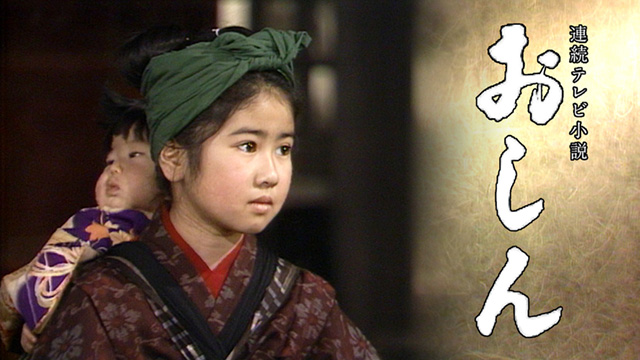
おしん
昭和58年(1983)に放送した、脚本家・橋田壽賀子が手がけた連続テレビ小説。山形の寒村に生まれたヒロインが、明治から昭和まで80余年の激動の時代を懸命に生きる生涯を描いた人間ドラマです。けなげな少女期を小林綾子、青春期から中年期を田中裕子
www.nhk-ondemand.jpCharacter of the Streetscape
The reason walking Ginzan Onsen stays interesting is that the star of the scenery rotates with the clock. Ryokan stand on both banks of the Ginzan River in the town center, and each bridge crossing reframes your view. The street itself is compact, but the tight arrangement of river, wooden buildings, bridges, and lanterns keeps the visuals changing as you go.
During the day, focus on architectural details. Beyond wooden railings and window joinery, the plasterwork reliefs called kote-e on building facades reward anyone who looks up. This is not a town lined with tourist attractions — the buildings themselves are the attraction, and that tends to slow everyone's pace, photographers and architecture fans alike.
From dusk onward, the atmosphere flips. Once the gas lamps ignite, shadows deepen on the wooden facades and light ripples across the river surface. Daytime Ginzan is a town for studying architecture; nighttime Ginzan is a town for savoring light and water. The glow is not neon — it is a slightly amber warmth that wraps the whole street, and walking through it loosens something in your shoulders without you noticing.
Push deeper past the ryokan district and you reach Shirogane Park, where Shirogane Falls comes into view. The sound of rushing water and the cool air of the gorge add a layer that pure streetscape-gazing cannot match. If you feel like snacking along the way, folding a bite of food into this flow of scenery keeps the rhythm of the town intact. Steamed manju (sweet buns) or curry bread fit here not just because they taste good, but because the whole place still breathes Taisho-era atmosphere.
Scale and How to Navigate
Ginzan Onsen is compact enough to feel comfortable on a first visit. Rather than a sprawling destination you hop between by car, think of it as a place to absorb on foot, area by area. The official Ginzan Onsen walking guide lists three courses: the Waterfall Viewing Course at roughly 0.8 km / 20 minutes, the Mine Tunnel Direct Course at about 1.4 km / 60 minutes, and the Leisurely Stroll Course at approximately 1.9 km / 90 minutes — all very manageable.
The basic approach: start near the entrance of the hot spring district, walk slowly upstream along the Ginzan River, and cross bridges to shift your perspective. Begin with the main street's ryokan facades and kote-e plasterwork, then extend toward Shirogane Park to connect the townscape with nature. If history interests you, walking about 15 minutes beyond the town to the Nobesawa Silver Mine ruins adds a striking sense of depth to everything you have just seen.
As a rough time guide, 2-3 hours covers the central district and some street food comfortably. Half a day lets you include Shirogane Park without rushing. An overnight stay connects daytime architecture, the color shift at dusk, gas-lamp night scenery, and the quiet of early morning — the same street, walked again and again, never quite the same. Oishi-da Station, the main rail access point, sits about 40 minutes away by bus, and once you arrive, walking itself becomes the sightseeing.
Five Highlights You Should Not Miss
The Riverside Streetscape Along the Ginzan River
For a first walk, start along the Ginzan River running through the heart of the town. Multi-story wooden ryokan line both banks, and a single bridge crossing shifts the depth of the view enough that even just walking this stretch back and forth gives you a solid sense of what Ginzan Onsen is about. On a map, picture a single stream running straight from the town entrance toward Shirogane Park.
The sweet spot is midday through late afternoon. Daytime lets you see wood grain and window details clearly; late afternoon starts layering the scene with shadow, and the same spot begins to feel different. Budget 30-40 minutes for the central town. Add extra time if you plan to photograph and linger on bridges.
The official walking guide puts the Leisurely Stroll Course at about 1.9 km / 90 minutes, but the heart of its appeal is right here along the river. When walking this stretch, try dropping your gaze to the water surface. The reflected buildings merge with the current, and suddenly the architecture and the river compose a single image.
Gas Lamps and the View from the Bridges
If Ginzan Onsen had one signature image, it would be the scene after the gas lamps come on. The best vantage points are on the bridges or slightly off-angle from them. Rather than shooting a ryokan head-on, framing the bridge railing, a gas lamp, and the row of ryokan receding into the background captures the three-dimensional feel unique to this town.
The prime window is late afternoon through night. Lighting times are often cited as roughly 16:30-21:00, but the actual moment varies by day and operating conditions — check on-site announcements or official updates the day of your visit and pick your position accordingly. Right after lighting, the sky still holds a trace of blue and building outlines remain visible. As darkness deepens, the soft gas-lamp glow takes over, and reflections on the river add another layer.
Allow 20-30 minutes for viewing, though you will likely want longer if you stay for the transition. Each bridge offers a slightly different composition: one puts the river current in the foreground, another foregrounds the row of ryokan. The street is not long, yet every crossing reshuffles the perspective — night walks never feel repetitive. The moment a daytime scene transforms under a single source of warm light is the high point of any Ginzan Onsen visit.
Hunting for Kote-e Plasterwork
A daytime highlight you should not skip is the kote-e — decorative plaster reliefs applied to ryokan walls and facades. They are scattered along the riverside ryokan district, so you can enjoy them as part of any street walk. The trick is to look up, but do not stop at simply noting whether one exists.
Midday is ideal. Natural light makes the texture and color differences easy to read, and the three-dimensionality of the reliefs stands out. Set aside 20-30 minutes for kote-e hunting. Pausing mid-walk to study them at a comfortable pace turns the time into an architectural appreciation session rather than a checklist item.
Focus on three things: subject, color, and technique. For subject, look for auspicious motifs — animals, plants, lucky patterns — and consider what each building chose as its signature decoration. For color, notice whether the relief is nearly monochrome white or accented with subtle pigments. For technique, observe whether the plasterer created flat surfaces with raised lines or used bold buildup to cast shadows. Most visitors fixate on signboards and window frames; treating the walls themselves as artwork gives daytime Ginzan Onsen far more depth.
Waraku Foot Bath — A Perfect Rest Stop
When your legs need a break, the Waraku Foot Bath near Shirogane Bridge at the entrance of the onsen district hits the mark. It works well at the start of a walk or as a reset after exploring the far end of town — geographically, it sits at a natural turning point in any loop through the district.
Best enjoyed midday to late afternoon. It is a public foot bath, free to use, and 15-20 minutes is enough to feel the difference. Even a short soak loosens feet that have gone cold from walking. In colder months especially, alternating between sightseeing and warming up creates a natural rhythm for the day.
A foot bath is not a headline attraction, but it anchors the Ginzan Onsen experience of walking, looking, and resting. Sitting on the bench, listening to the river, you start to realize that this town's appeal is not the number of sights — it is the density of the experience. The urge to grab a steamed manju afterward fits perfectly here.
Shirogane Park and Shirogane Falls
Continue past the ryokan district and the scenery transitions from architecture to nature as you reach Shirogane Park and Shirogane Falls. The distance is an easy extension of any town walk, and this area is essential for sensing the full depth of the onsen district. The official Waterfall Viewing Course covers roughly 0.8 km in about 20 minutes, making it easy to fit into even a short visit.
Midday is the best time. Trees, rock faces, and water are most visible, and the contrast with the ryokan district feels sharpest. Budget 20-30 minutes. The falls drop 22 meters, and the energy of the water takes center stage — a sharp shift from the gentle atmosphere of the town.
Seasons change the impression dramatically. Fresh green season makes the surrounding foliage vivid, and the white of the falls stands out even more. Snow season brings stark black-and-white contrast and a crisp winter landscape that feels nothing like the romantic ryokan street. Ginzan Onsen is known for its riverside architecture, but walking to these falls cements the realization that the onsen town and the mountain waterscape are one continuous place.
Nobesawa Silver Mine Ruins and Mine Tunnel Area
To trace the origin story of the townscape, push one step further to the Nobesawa Silver Mine ruins and mine tunnel area. This is the land that gave Ginzan Onsen its name (ginzan means "silver mountain"), and visiting here takes the retro scenery beyond "charming hot spring town" into something with real historical weight.
Midday works best. Daylight makes the path and surrounding terrain easy to read, and you can feel the mining heritage in the landscape. The walk from the onsen district to the ruins takes about 15 minutes, and the Mine Tunnel Direct Course covers roughly 1.4 km in about 60 minutes. It demands a bit more walking than the central-town loop, so half a day or more makes it easier to include.
The payoff here is a shift in understanding. The ornate ryokan and gas lamps make the town look purely Taisho-romantic at first glance, but beneath that layer runs a mining past. Walking here after enjoying the riverside architecture makes the name Ginzan Onsen — Silver Mountain Hot Spring — feel earned rather than decorative.
Suggested Itineraries | 2-3 Hours, Half Day, Overnight
2-3 Hour Plan
A rough breakdown: 30-40 minutes for a photo walk through the main street, 20-30 minutes for the Waterfall Viewing Course, 15-20 minutes at the Waraku Foot Bath, and 20-30 minutes for street food. That totals around 2-3 hours without feeling rushed, even on a first visit. Save the snacking for the return leg rather than front-loading it — the rhythm works better when you have already taken in some scenery. A freshly steamed manju from Meiyuan is a solid pick, and Haikarasan's curry bread at roughly 280 yen (~$2 USD) is ideal for eating one-handed while walking.
Daytime favors architectural observation and spotting kote-e details. For photography, though, dusk through just after lamp-lighting is the strongest window. The remaining daylight preserves building outlines while the lamps add warmth, and even a short visit can yield a quintessentially Ginzan Onsen shot. If you only have 2-3 hours, arriving in time for the late afternoon — fitting in the foot bath and street food while waiting for the lamps — leaves a more vivid impression than arriving midday and walking the circuit under full sun.
For a history-focused alternative, trim the central walk and prioritize the Mine Tunnel Direct Course (about 1.4 km / 60 minutes) instead. That shifts the trip from "retro town sightseeing" to tracing the origin of the name itself. In winter, snow slows your pace noticeably over the same distance, so avoid over-packing a short itinerary — leaving some breathing room preserves the lingering feeling that makes Ginzan walks memorable.
Half-Day Plan
With half a day, the highest-reward approach builds on the Leisurely Stroll Course (about 1.9 km / 90 minutes). Extending beyond the town center to Shirogane Park and weaving in proper rest and food breaks sharpens both the scenic variety and the pacing.
A workable flow: after arriving, spend 30-40 minutes walking the ryokan street and studying kote-e and joinery details. Continue to Shirogane Park and complete the full course in roughly 90 minutes, then settle into the Waraku Foot Bath for 15-20 minutes on the way back. Lunch fits naturally here — at Izu no Hana, the deep-fried eggplant soba at around 1,430 yen (~$10 USD) makes a memorable midday bowl. The eggplant practically melts the moment your chopsticks touch it, and the soba aroma pairs unexpectedly well with the rustic onsen-town air.
The sequence that works best for a half-day visit: street food, stroll, foot bath, dusk photography. Warm up with a quick bite, walk the scenery, rest your feet, then hold your ground from late afternoon through lamp-lighting. That sequence captures the widest range of Ginzan Onsen's changing faces. Gas lamps are often cited as lighting around 16:30-21:00, but timing varies by day — check on-site announcements before choosing your shooting position.
💡 Tip
With half a day available, resist the urge to photograph immediately on arrival. Walk the full loop first, then decide where to stand for the evening light. Bridges, the riverbank, and direct ryokan frontage each respond differently to the shifting illumination.
History-oriented visitors can swap the Leisurely Course for the Mine Tunnel Direct Course and bracket it with lunch. Still, the real advantage of a half-day plan is not just longer walking time — it is spanning both daytime observation and evening atmosphere. Mixing street food and foot-bath breaks while staying through lamp-lighting tends to produce the most consistently satisfying visit.
Overnight Plan
If you are spending the night, the evening scene and the early-morning walk become the core of the experience. Day-trippers can enjoy the streetscape too, but only overnight guests can comfortably collect the dusk-to-night transition and the quiet of the next morning. After dark, foot traffic thins and the gas-lamp glow bleeding across wooden facades and the river surface becomes the main event. On your first evening, just dropping your bags after check-in and walking for 60-90 minutes from dusk through lamp-lighting makes the value of staying overnight immediately clear.
Day one works well as: arrive, take a quick loop to memorize compositions, then head out for photos before dinner. Kote-e and window details you noticed by day take on a different character under lamplight shadows. Dinner will likely be at your ryokan, so keep daytime eating to light street-food snacks. If you want more walking, a short round trip to Shirogane Park while it is still bright sharpens the contrast with the nighttime townscape.
The next morning belongs to overnight guests. Before the crowds arrive, the onsen district is quiet enough to study the rows of buildings at your own pace. A 30-60 minute morning walk along the river — revisiting kote-e and returning to Shirogane Park — reveals how much the same places change. At night, light dominated the scene; in the morning, wood texture and wall relief step forward. Architecture enthusiasts may find the morning more rewarding than any other hour.
With a full overnight stay, you can add the Mine Tunnel Direct Course (about 1.4 km / 60 minutes) on day two and bring the historical layer into the trip. Day one for scenery, morning for a quiet streetscape, then mining history if time allows. In that order, Ginzan Onsen stops being "a photogenic hot spring town" and starts making sense as a place whose character grew from its silver-mining past. In winter, the morning walk and the mine trail both slow down on snowy paths, but the trade-off is stunning: snow-dusted mornings sharpen the outlines of the ryokan district in a way only overnight guests get to see.
Tips for Getting More Out of a Retro Town Walk
A Field Guide to Kote-e
The element that deepens a Ginzan Onsen walk more than anything is the kote-e plaster reliefs on ryokan exteriors. At a glance they register as "white wall decorations," but linger and you will find individual craftsmanship and each inn's personality packed into them. When examining kote-e, move past the image itself and ask whether the subject carries narrative meaning. Auspicious symbols, natural motifs, and lucky patterns are not just ornament — they express the atmosphere each inn wanted to project.
The key to appreciation is refusing to view them flat-on and move along. Plaster catches light, and raised sections produce soft shadows that shift through the day. Midday side-light makes contours easy to read; late-afternoon light softens edges and gives the same relief a gentler impression. Up close, surfaces that looked uniformly white reveal subtle color variations — layered thickness and the patina of time become visible.
The most common oversight is eye level. In the onsen district, your attention naturally drops to snow underfoot or the riverside scenery, but kote-e viewing demands looking up to the second floor and above. Upper walls and window surrounds often concentrate each building's signature motifs, and scanning the row of facades overhead reveals the rhythm of the street as a whole. Even mid-snack, pausing to glance upward changes Ginzan Onsen from "a hot spring town with nice vibes" to "a hot spring town dense with craftsmanship worth studying."
Streetscape Details Worth Noticing
The appeal of Ginzan Onsen cannot be captured by ryokan facades alone. What actually shapes the impression are smaller elements: wall edges, window borders, bridge railings, paving textures. Snowflake-patterned tiles, for example, evoke the local winter so specifically that spotting them tilts the whole streetscape toward "romance in a cold-weather town." A geometric motif slipped into pale surfaces adds a crisp accent to the softness of wooden architecture.
Railing and metalwork designs deserve attention too. Instead of pure straight lines, many incorporate gentle curves and finely shaped contact surfaces. Noticing these tells you that Ginzan Onsen is not merely old — it has been maintained as a street that preserves Taisho-era aesthetics. Window divisions, balustrade rhythm, the way a street lamp is mounted — collecting these small observations turns a walk into something that feels like a treasure hunt.
For a wide-angle perspective, the view from the bridges is essential. Standing on a bridge, you can see the river course clearly; a vertical composition captures the S-curve of the water receding into the distance. Layer the railing in the foreground, the river in the middle, and ryokan in the background, and the three-dimensional character of the town comes alive. After spending time on details at street level, stepping onto a bridge ties those window and wall discoveries back into the full panorama.
Best Timing for Photography and Etiquette
For photography at Ginzan Onsen, aim for dusk through just after lamp-lighting. While some daylight lingers in the sky, building outlines, river reflections, and lamp color all emerge simultaneously — a depth that neither full day nor full night can match. As color temperatures settle during the moments after lighting through blue hour, the warm glow from wooden ryokan becomes especially striking. On bridges, try a vertical composition to follow the river's line from foreground to background — that framing tends to produce the most recognizably Ginzan Onsen result.
That said, bridges and walkways are not photography platforms. The onsen district doubles as a residential road. Standing in the middle of a bridge during busy hours blocks the flow, so frame your shot, take it quickly, and step aside. During peak times, avoid spreading out in groups and leave a clear lane for people passing through. For tripods, be mindful of whether they are welcome in a given spot, and always prioritize foot traffic and the space around you. That approach suits this town better than any gear upgrade.
Winter shooting means cold-weather preparation directly affects mobility. Moving between outdoors and heated interiors causes lens condensation easily, and gloves should be chosen for dexterity as much as warmth. Overly thick gloves make shutter and phone operation sluggish, so opt for a pair that lets your fingertips move freely. Solid cold-weather prep means you will not rush through the best light window, and you will still have enough comfort to notice fine details. At Ginzan Onsen, great photos depend as much on the patience to stand calmly in the cold as on composition.
Food and Rest Stops at Ginzan Onsen
Izu no Hana
For a proper sit-down lunch, Izu no Hana is the first name that comes up in Ginzan Onsen (related: Best 10 Street-Food Sightseeing Spots). The pairing that works for a mid-walk meal is local Obanazawa soba. The deep-fried eggplant soba (roughly 1,430 yen / ~$10 USD) has a strong reputation — the eggplant practically dissolves the moment your chopsticks touch it. After walking through cold air, the soba aroma rises clean and sharp, and it pairs with the wooden-architecture surroundings in a way that feels almost deliberate.
Haikarasan's Curry Bread
For a grab-and-go staple, Haikarasan's curry bread is the one to know. Easy to hold in one hand, it does not interrupt your walking tempo — a good match for a town where you keep wanting to stop and look. The price runs about 280 yen (~$2 USD), with slight seasonal variation. Take a bite while gazing at a wooden ryokan facade: the crisp shell hits first, then the curry flavor follows. The shop moves fast because it is popular, so do not push it too late during peak hours or you risk throwing off your walking rhythm. Rather than grabbing one immediately on arrival, wait until you have seen some scenery and feel like snacking — the satisfaction lands at just the right level that way.
Meiyuan
For sweets, Meiyuan is a reliable stop. It has the understated calm of a traditional confectionery shop, and something sweet here gently resets your mood after a long walk. Scenery dominates at Ginzan Onsen, but folding a confection into the experience makes the memory of the trip noticeably richer. Holding a warm sweet by the river after a cold walk drives home the point that sightseeing in cold country is not complete without the food.
The signature item is Ginzan Manju — catch it freshly steamed and the aroma is on another level. The skin is pillowy soft, and the first bite opens with a gentle brown-sugar sweetness before the bean paste filling catches up. The flavor is not bold, but it fits the onsen-town air perfectly. Meiyuan also carries Haikarasan's curry bread, so you can bridge savory and sweet in one stop.
Posted hours are 8:00-17:30, with seasonal adjustments. The early opening makes it useful as a morning rest stop on days you arrive ahead of schedule, but keep closing time in mind if your itinerary centers on the evening. The ability to slip a quiet confectionery break into a retro streetscape walk is what makes Meiyuan worth the stop.

銀山温泉めいゆう庵│明友オンラインショップ
銀山温泉のお土産用の菓子を販売しています。名物は蒸したての銀山まんじゅう。黒糖まんじゅうと竹炭入りごままんじゅうの2種類があり、食べ歩きにもお土産にも好評です。
www.meiyuu.comStreet Food Options and Quick Bites
Street food at Ginzan Onsen is not about the sheer number of vendors — it is about fitting tofu dishes, manju, dango, and curry bread into your walking route so the modest portions land at the right moments. Grazing while watching scenery works best at this scale. Tofu items are light enough to slot in before or after sweets without heaviness, and manju or dango ease into a cold body gently.
Route-wise, prioritize scenery first and cluster your eating on the return leg. Note shop locations on the way out, and you can judge on the way back which ones have shorter lines. Rather than committing to one shop early, map the positions mentally and spread your purchases across the walk. If curry bread has a crowd, pivot to manju or dango; if sweets are busy, try tofu or a light savory option. The district is small enough to make those switches effortless.
For rest stops, combining the Waraku Foot Bath with a cafe break tends to prevent accumulated fatigue. Warming your feet first and then adding a hot drink releases tension and sets you up for another round of dusk or gas-lamp viewing. In winter, photography-ready hands get cold fast, so treating street food not as a snack break but as part of your warmth management makes the whole day smoother. Look at scenery, eat a bite, warm up with something hot — that cycle, repeated, is the most rewarding way to spend time in this onsen town.
Access, Costs, and Winter Travel Notes
Getting There by Public Transport
The standard public-transit route: Tokyo Station to Oishida Station on the Yamagata Shinkansen, roughly 3 hours 20 minutes, then about 40 minutes on the Obanazawa city bus (Ginzan line) (related: 8 Day-Trip Destinations Within 2 Hours of Tokyo by Shinkansen — useful for trip-planning context). Even from the Tokyo area, a day trip is feasible, and this route avoids snowy mountain driving entirely. One train and one bus deliver you to the onsen district, and the connection works especially well when you are targeting winter scenery.
By air, Yamagata Airport to Ginzan Onsen by sightseeing bus takes about 1 hour 15 minutes at around 2,000 yen (~$14 USD). Flying reshapes the entire trip structure, and when arrival times align well, it can feel significantly easier. The transition from airport to mountain valley is abrupt — urban Japan switches to snow country fast, and that jump-starts the travel mood.
In winter, when crowds concentrate around dusk and evening, round-trip bus tours from Oishida Station are sometimes offered. Schedules vary by year and operating decisions; departure times like 15:30 or 16:50 have appeared in past announcements as examples, not guarantees. If you want to catch the lamp-lighting window, confirm times through the tour operator or local government announcements before your visit.
Driving is possible. Outside of winter, parking areas near Ginzan Onsen are available for day visitors, and you walk into the onsen district from there. The town center has narrow streets flanked closely by buildings and the river, so once you arrive, everything is on foot.
The major difference between non-winter and winter access is that "where you park" and "where you start walking" are clearly separated in the snowy months. When snow is on the ground, not just road conditions but crowd-flow management shifts to a controlled system. The onsen district operates this way to protect the townscape while keeping tourism viable, so approaching with a summer or autumn mindset creates friction on the ground.
Taisho Roman-kan serves as a convenient parking hub with space for roughly 100 cars. It sits about 1.5 km from the onsen district — walkable on a dry day, but winter changes the equation. Snow-covered paths stretch the perceived distance, and carrying camera gear or shopping bags adds to the load. For winter visits, building your plan around the shuttle (covered below) is more realistic than planning to walk.
Winter Park-and-Ride and Priority Pass
A private-car restriction runs from December 20, 2025, through March 1, 2026. The basic setup during this period: park at Taisho Roman-kan and take a shuttle bus to the onsen district. If you are making a day trip, building your schedule around this system keeps the logistics clear.
The shuttle covers Taisho Roman-kan to the Ginzan Onsen entrance in about 10 minutes. Example schedules have included details like a 9:00 first departure, 18:00 last outbound, 19:30 last return, and 20-minute intervals — but these specifics shift between seasons and trial-operation years. A Priority Pass system with tiered pricing (past examples have indicated a base fare of 500 yen (~$3.50 USD) for adults plus time-slot-based surcharges) has also been introduced in some years. Schedules, fares, and purchasing procedures are updated annually, so check the latest information before your visit (reference: Ginzan Onsen official site https://www.ginzanonsen.jp/).
ℹ️ Note
In winter, where you park and where you start exploring are not the same place, so factor in transfer time. Using Taisho Roman-kan as your base and planning the shuttle connection first makes on-site time management much smoother.
Clothing, Gear, and Safety Notes
During snow season, footwear choices affect trip quality more than anything else. Near-essentials: slip-resistant shoes, gloves, and proper cold-weather outerwear. Ginzan Onsen looks romantic in photos, but on the ground, bridge decking, riverside pavement, and gentle slopes get genuinely icy. Regular sneakers shrink your stride, and a walk meant for savoring architecture turns into a walk spent watching your feet.
Think about cold protection not in terms of temperature alone but in terms of how long you stand still. At Ginzan Onsen, you stop frequently — studying a ryokan facade, photographing the river, browsing at a shop front — and body heat drains faster when stationary than when moving. Gloves prevent heat loss every time you pull out a phone or camera; a jacket that covers your neck makes a noticeable difference in perceived warmth.
For safety, watch for slips on bridges and slopes first. Even on days with only a thin layer of snow, ice underneath can be invisible. Ginzan Onsen draws your attention into the scenery and your feet tend to stop — make a conscious effort not to stand in the middle of a walkway while shooting. The onsen district is not a wide tourist mall; it is a space where people yield to each other. Stepping slightly to the side is all it takes to keep the atmosphere intact.
Key Information Summary
Here is a quick-reference table for trip planning:
| Item | Details |
|---|---|
| Area | Ginzan Onsen district, Obanazawa City, Yamagata Prefecture, Japan |
| Access | About 40 minutes by Obanazawa city bus (Ginzan line) from Oishida Station |
| Open hours | The onsen streetscape is freely accessible; individual ryokan, restaurants, and foot baths have their own schedules |
| Walking cost | Strolling the onsen district is free; dining, bathing, and shopping are priced by venue |
| Winter transport note | Private-car restriction Dec 20, 2025 - Mar 1, 2026; shuttle from Taisho Roman-kan |
| Official site | Ginzan Onsen official: https://www.ginzanonsen.jp/ |
| Map link | Obanazawa City guide map: https://www.city.obanazawa.yamagata.jp/ginzan-map/ |
For budgeting, 3,000-5,000 yen (~$20-35 USD) for a day trip covers street food, a bowl of soba, and foot-bath-area snacks comfortably. Count transport and accommodation separately, and plan your on-site spending around "one bowl of soba and a couple of bites" — that rhythm matches Ginzan Onsen well. The town offers something year-round, but if snow scenery is the goal, December through February tends to leave the strongest impression.

銀山温泉
www.ginzanonsen.jpWho Will Enjoy Ginzan Onsen Most
Couples will find the dusk-to-night walk hits hardest. As windows light up in the wooden ryokan and gas lamps flicker on, the atmosphere shifts completely from the daytime observation walk. Walking side by side along the river, the scenery carries the moment without needing to fill every silence. Pairing it with an overnight stay extends the experience past evening ambiance into the quiet morning street. Before the crowds, building outlines and river sounds step forward, and the same scenery feels noticeably more peaceful.
Solo travelers fit here naturally. The onsen district is not a vast destination — small shifts in where you look reveal something new within a compact footprint. Photographing, studying kote-e and joinery, soaking at the Waraku Foot Bath, slipping in a bowl of soba — you set the pace entirely on your own terms. Walking without a plan does not feel aimless, and even a short day trip produces a satisfying sense of having truly been somewhere. Personally, at a place like this, leaving room in the schedule to stop at whichever ryokan facade catches your eye works better than a tight agenda.
Photography enthusiasts will find clear value in timing a visit carefully. The hardest window to miss: blue hour and the first minutes after lamp-lighting. Ryokan illumination and river reflections align, and the town's three-dimensional quality sharpens suddenly. During snow season, a white-and-amber contrast deepens the signature Ginzan look further. When shooting, tripods should go where they will not block foot traffic, and bridge centers and head-on pedestrian lanes are best avoided. Many of the strongest shots come simply from stepping to the side and waiting.
Traveling with parents works well here. There are slopes, bridges, and a few steps, but each segment of walking is short enough that a rhythm of walk-rest-walk comes together naturally. Scenery-viewing time doubles as rest time, and foot baths, cafes, and soba shops slot into the middle of the route easily. Rather than covering a wide area at speed, savoring the onsen district center carefully tends to produce higher satisfaction — and that advantage shines brightest on a multi-generational trip.
Families with children need to weigh foot safety alongside the scenery. Bridges, gentle slopes, and winter paths get slippery, and conditions can be trickier than they look. For small children, a carrier may handle some sections better than a stroller depending on path conditions. In snowy months, gloves are critical — kids get absorbed in the scenery and end up touching surfaces more often. For families, short walks with frequent warm-up stops pull more value from Ginzan Onsen than trying to cover every trail.
Pre-Trip Planning Checklist
Ginzan Onsen runs more smoothly when you settle one decision before leaving home rather than figuring things out on arrival. If you are visiting in winter, start with the Ginzan Onsen official site and winter-regulation announcements to confirm that season's entry procedures and transit rules. Operating formats shift between years, and locking this down first keeps your train and bus bookings from drifting.
For itinerary building, decide early whether you are going for a focused day trip or an overnight stay that captures both night and morning faces. Tokyo Station to Oishida Station takes about 3 hours 20 minutes; add 40 minutes by bus to reach Ginzan Onsen. With that travel time in mind: a late arrival suits a compact central-town walk; midday arrival opens up the falls and park; and booking a room extends the experience through lamp-lighting and the quiet of dawn.
Meal planning matters more than you might expect. Soba shops, confectioneries, and vendors adjust hours by season and day of the week, and missing the lunch window can sharply narrow your options. Whether you want a bowl of soba at Izu no Hana or a quick bite from Meiyuan or Haikarasan, deciding on your target stops in advance lets "where to warm up" flow naturally into the sightseeing route.
In snowy months, footwear preparation determines trip quality more than clothing layers. Slip-resistant shoes, cold-weather outerwear, and gloves are effectively mandatory. If you plan to shoot with a camera or phone, be aware that moving between cold outdoor air and heated indoor spaces fogs lenses and screens easily — letting gear acclimate briefly before stowing it helps. This is a town where you stand still and gaze more than you might expect.
💡 Tip
On the day of your visit, check the gas-lamp lighting time on site. The commonly cited window is 16:30-21:00, but confirm through the day's posted schedule or official updates and align your photography time, dinner, and return transport accordingly. That single check eliminates most last-minute scrambling.
Preparation here is not about packing more items — it is about nailing four things in advance: transport, meals, cold-weather gear, and lamp-lighting time. Once those are set, Ginzan Onsen becomes the kind of destination where scenery and food connect seamlessly at every turn, without needing a packed schedule to make it work.
Related Articles
12 Weekend Overnight Trip Itineraries in Japan You Can Actually Pull Off
Planning a weekend getaway in Japan works better when you start with travel time, budget, and transportation rather than a wish list of attractions. This guide compares 12 itineraries across the country using concrete benchmarks: Tokyo to Hakone in about 90 minutes, Tokyo to Niigata in roughly 2 hours, and Fukuoka Airport to downtown in just 10 minutes.
12 Must-Try Regional Dishes in Kyushu, Japan — A Prefecture-by-Prefecture Food Tour
Planning a food-focused trip through Kyushu? Listing local specialties by prefecture only gets you halfway there. The real trick is building your days around walkable hubs — Fukuoka's shrine approach roads, Saga's morning markets, Nagasaki's Chinatown — and slotting dishes into morning, noon, and night.
3 Scenic Drive Routes in Kyushu, Japan: Aso, Nichinan Coast & Takachiho Gorge
Planning a scenic drive in Kyushu? Instead of piling on destinations, pick one of three themes — volcano, coastline, or gorge — and your trip practically plans itself. The volcanic drama of Aso, the easygoing seaside run along the Nichinan Coast, and the walking-focused route through Takachiho Gorge work for anyone from first-time renters to seasoned road-trippers.
8 Hidden Scenic Spots in Japan's Tohoku Region: Season, Difficulty, and Access Compared
Planning a trip to remote, stunning landscapes in Tohoku, Japan? Road conditions, ropeway schedules, and seasonal bus routes can dramatically change how difficult each spot is to reach. Mountain roads, aerial tramways, and seasonal services shift frequently, so