
8 Best Cultural Experiences in Kyoto, Japan — Prices, Duration & English Availability
8 Best Cultural Experiences in Kyoto, Japan — Prices, Duration & English Availability
Choosing a cultural experience in Kyoto works best when you look beyond the atmosphere photos and check the practical details first: how much time it takes, whether it runs on rainy days, whether English support is available, how kid-friendly it is, and how distinctly Kyoto the experience actually feels.
Picking a cultural experience in Kyoto goes more smoothly when you sort by the practical stuff before the pretty photos — how long it takes, whether rain shuts it down, whether English support is available, whether kids can join, and how much it actually feels like Kyoto. This guide is for first-time visitors booking an experience in Kyoto. It covers eight major categories — tea ceremony, Zen meditation (zazen), Nishijin weaving, Kyo-yuzen dyeing, Kyo-yaki/Kiyomizu-yaki pottery, Japanese sweets/fresh yatsuhashi, and maiko-related experiences — with duration, pricing, capacity, age requirements, and cancellation policies laid out so you can compare easily. Visit timing: February 2026 (the baseline for research and information). Prices and availability may be updated by venues, so double-check official pages before booking.
Three Things to Know Before Choosing a Cultural Experience in Kyoto
Start with how much time you have
With cultural experiences in Kyoto, narrowing by how many minutes you can spare works better than starting from what sounds appealing. Kyoto is the kind of city where you want to squeeze in temples, neighborhood walks, and sweet shops all in one day, so even a fantastic experience can feel like a drag if it doesn't fit your itinerary.
For a quick slot, Nishijin Textile Industrial Association's creative workshops and hand-weaving sessions are hard to beat. According to their experience page, the creative workshop runs about 30 minutes at 1,540 yen (~$10 USD, tax included) and the hand-weaving session about 40 minutes at 2,530 yen (~$17 USD, tax included) for adults. Nishijin Ori Kaikan also lists a hand-weaving experience at about 40 minutes for 2,200 yen (~$15 USD) — same craft, slightly different program depending on the venue. The focus on the rhythmic act of weaving itself leaves a satisfying "I made something" feeling that punches above its weight for the time involved.
If you have about an hour, tea ceremony or fresh yatsuhashi-making pair well with a sightseeing day. Tokyu Hotels' tabit feature introduces the fresh yatsuhashi-making experience at 1,300 yen (~$9 USD) for 60 minutes — short enough that it won't squeeze the plans on either side. Tea ceremony sessions also tend to center around 60 minutes or less, and sipping matcha with a sweet while learning the basics of the ritual fits naturally into a moment when your feet need a break. From my experience planning Kyoto days, the one-hour slot is the sweet spot — long enough to feel meaningful, short enough to keep your day flowing.
For something quieter, zazen's roughly 80-minute format starts to shine. The Ryosoku-in session featured in the Tokyu Hotels piece asks for a suggested donation of 2,000 yen (~$13 USD), runs about 80 minutes, and accommodates up to 40 people. Eighty minutes looks awkward on paper, but in practice the length lets you settle in deeply enough that the experience stays with you. This one works best on a day where you've kept the schedule loose rather than packed.
At the heavier end sits the maiko transformation experience. Sample plans on ActivityJapan list sessions at around 14,000 yen (~$93 USD, before tax) for about 2 hours 45 minutes, and 24,000 yen (~$160 USD, before tax) for about 3 hours. With dressing, makeup, and a photo shoot included, your entire afternoon is essentially spoken for. Per-hour costs land roughly in the 5,000–8,000 yen (~$33–53 USD) range, making this clearly a "main event" experience rather than something you slip between temple visits. The visual impact and sense of occasion are strong, but trying to cram Kiyomizu-dera and a Gion stroll into the same time block doesn't mix well.
For Nishijin weaving, workshops like Tomiya Orimono offer a more immersive format with a studio tour that takes 1–2 hours. A quick hand-weaving trial and a full workshop where you breathe in the atmosphere of a working studio are very different trips under the same "Nishijin weaving" label. Whether you prioritize speed or depth will shape which one fits.
体験する - 西陣織工業組合
体験 -Experience- 創作体験(要予約) 手織体験 ミニ手機を最大50台設置しています。約20cm×
nishijin.or.jpBooking, cancellation, and English support
Most cultural experiences in Kyoto require reservations, and even within the same category, there are real differences in how much English support you get and how cancellation fees work. One key point: English availability varies by venue and by plan — it could mean reception only, full instruction in English, or just printed materials. Always confirm the scope on the official page. Tea ceremony and maiko experiences show the widest gaps here, and choosing by photos alone can set you up for disappointment on the day.
Workshop-style experiences like Nishijin weaving sometimes have earlier booking deadlines. Tomiya Orimono's "Historic Nishijin Weaving Studio Tour and Hand-Weaving Experience," listed on Kyoto Kanko Navi, has a cancellation deadline of 7:59 AM three days prior. Craft experiences involve seat limits and material preparation, so they don't have the same last-minute flexibility as dropping into a temple.
For maiko-related bookings, it helps to spell out in words what you're actually booking. A show featuring real maiko performance, an ozashiki (banquet-style) experience with parlor games, and a makeover where you become the maiko are entirely different things. The romantic idea of a chance encounter in the geisha district is charming, but a reserved experience delivers far more consistent satisfaction.
💡 Tip
English support can mean "reception staff speaks English" or "the entire session is conducted in English" — and the gap matters. For experiences like tea ceremony or zazen where the explanations deepen the experience, this distinction is significant.
Indoor/outdoor, takeaways, and seating or dress requirements
Day-of comfort depends less on the category name and more on the style of the experience. Most cultural experiences in Kyoto are indoors, which makes them a reliable rainy-day option. But whether you take home a finished piece, sit on the floor for an extended period, or need to change clothes affects what you should prepare.
On the indoor-vs-outdoor front, tea ceremony, zazen, Nishijin weaving, sweet-making, and maiko transformation all largely take place inside, sheltered from the weather. When rain slows down Kyoto foot traffic, these experiences can anchor your day. Japanese sweet-making and fresh yatsuhashi in particular wrap everything into one self-contained arc — making, smelling, and eating — which also doubles as a break from sightseeing.
Seating matters more than you might expect. Tea ceremony conjures images of sitting seiza on tatami, but some beginner-friendly venues offer chair seating. Venues like the Nihon Bunka Taiken Kyoshitsu Ninenzaka Kangetsu tea ceremony experience are set up to lower the barrier for newcomers. Kyoto's Digital Chanoyumap also notes that while kimono is ideal for formal gatherings, Western clothing is perfectly fine at large open tea gatherings. For tourist-oriented tea experiences, reading the seating and dress style is more practical than worrying about whether it'll be "too formal."
The maiko transformation is the most obvious case where changing clothes affects your schedule. Choosing a costume, getting dressed, having makeup applied, and the photo session all add up — and they also change how easily you can move before and after. Whether the plan includes a neighborhood stroll in costume or stays studio-based changes the character of the experience entirely. Deciding whether photos or a Kyoto walk is the star of your day makes the right plan much clearer.
京都で本格的な茶道体験 | 日本文化体験教室 二年坂 寒月
tea-ceremony-kyoto.jp8 Recommended Cultural Experiences in Kyoto
Tea Ceremony (Higashiyama / Gion) — Beginner-friendly, with chair seating and English options
If you're going to fit just one cultural experience into your Kyoto trip, tea ceremony offers the widest entry point. The Higashiyama and Gion areas are full of sessions designed for visitors, and beyond whisking matcha, you'll learn the sequence for enjoying sweets, how to hold the bowl, and the quiet rhythm of Kyoto-style hospitality. It slots in between temple visits without breaking your day's flow, and it works well even when your feet are tired.
This suits travelers who want a quick taste of Kyoto culture, anyone uneasy about sitting seiza, or visitors traveling with someone from overseas. Venues like the Nihon Bunka Taiken Kyoshitsu Ninenzaka Kangetsu tea ceremony experience are explicitly beginner-oriented, and some offer chair seating. As for dress code, Kyoto's Digital Chanoyumap confirms that tourist-style sessions are generally fine in Western clothes — a far cry from formal tea ceremony etiquette. Bringing white socks helps you blend in and keeps the foot situation comfortable.
Session lengths center around 60 minutes or under. Pricing varies significantly by venue, and the range I found wasn't broad enough for a reliable cross-comparison — treat pricing as something to confirm on official pages. Location-wise, Higashiyama pairs naturally with Kiyomizu-dera and the Ninenzaka/Sannenzaka slopes, while Gion works well before an evening walk through the entertainment district.
English support is a real strength in this category. Tea Ceremony Kyoto Nagomi explicitly offers English-language sessions, making it a strong pick for visitors who want to understand what they're doing, not just go through the motions. The beginner welcome factor is high — worrying about "not knowing the etiquette" is mostly unnecessary here.
When booking, check three things: chair seating availability, the extent of English explanation, and cancellation terms. Yumeyakata Oike Bettei's tea ceremony charges 50% the day before and 100% on the day; Tea Ceremony Kyoto Nagomi has similar terms at 50% the day before and 100% same-day. Looking beyond atmosphere photos to seating style and explanation language produces more consistent satisfaction.
For those drawn to stillness within bustling Kyoto, zazen (Zen meditation) leaves a different kind of mark. The zazen session at Ryosoku-in, a sub-temple of Kennin-ji in Gion, feels less like a tourist activity and more like deliberately slowing your internal clock. There's very little visible action, yet by the time it ends, the city sounds register differently. That's the kind of Kyoto experience this is. For a deeper look at choosing zazen and tips for beginners, see our article "Top 5 Zazen Experiences — Start Your Morning with Zen." This suits travelers seeking quiet over photo ops, anyone looking for a reliable indoor option on rainy days, and solo travelers who want a centering moment built into their trip. It's less compatible with families with small children or tightly packed itineraries. There is sitting involved, and while beginners are welcome, anyone expecting an active, hands-on session will find the mood quite different.
The area is Gion, conveniently close to Yasaka Shrine and Hanamikoji Street. Starting your morning with quiet meditation and then walking Gion gives the district a noticeably calmer quality. English availability couldn't be firmly confirmed in this round of research — check official pages for English support. For experiences where understanding the guidance deepens the value, language availability directly affects the depth of what you take away.
When booking, look at session dates, start times, and capacity. Unlike tea ceremony, zazen isn't offered constantly throughout the day — time slots may be fixed. It's beginner-accessible, but think of it less as a casual workshop and more as stepping into the temple's rhythm.
Quick Nishijin Weaving — A 30–40 Minute Introduction to Making Something
If you'd rather move your hands than just look, short-format Nishijin weaving sessions are exceptionally good at what they do. Picking thread colors, falling into the rhythm of the loom, and watching fabric take shape under your fingers makes Kyoto's textile heritage feel immediate. Even in a short window, the sense of having created something sticks — a remarkably complete experience for the time investment.
The Nishijin Textile Industrial Association lists the creative workshop at about 30 minutes for 1,540 yen (~$10 USD, tax included) and hand-weaving at about 40 minutes for 2,530 yen (~$17 USD, tax included) for adults / 2,200 yen (~$15 USD, tax included) for students. With capacity for up to 50 people per session, it accommodates group and family travel easily. Meanwhile, Nishijin Ori Kaikan lists a hand-weaving experience at about 40 minutes for 2,200 yen (~$15 USD) — same craft, but program or pricing update differences are visible. Confirming the specific venue and program name is essential.
This works well for anyone wanting a quick Kyoto-flavored making experience, families with kids, or travelers building a rainy-day plan. The beginner-friendliness is high — no specialized knowledge needed. Working with thread sounds intimidating, but the experience programs are well-structured as "your first time at the loom."
The area is Nishijin, which pairs with Kinkaku-ji and Seimei Shrine sightseeing — a different face of Kyoto from Higashiyama or Gion. English support varies by venue and date, so confirm availability with the specific venue. That said, because understanding comes through doing, weaving is less language-dependent than tea ceremony or zazen.
When booking, pay attention to which venue and which program you're selecting. Beyond pricing, the weaving content, what happens to the finished piece, student discounts, and group size limits all differ. The 30–40 minute format makes scheduling easy, but arriving late eats into the density of the experience more than you'd expect.
Historic Studio Tour + Hand-Weaving at Tomiya Orimono — 1–2 Hours with Craft and History
If you want to go beyond "trying" Nishijin weaving and feel how it's been passed down through generations, a studio tour at a heritage workshop like Tomiya Orimono fills that gap. Unlike a quick workshop, the atmosphere of the space, the presence of the tools, and the weight of the machinery become part of what you remember. Having the processes explained transforms obi and textiles from "beautiful" into something you can appreciate as technique.
Tomiya Orimono's experience, listed on Kyoto Kanko Navi as "Historic Nishijin Weaving Studio Tour and Hand-Weaving Experience," costs 4,250 yen (~$28 USD) for adults, 3,920 yen (~$26 USD) for students, runs 1–2 hours, and requires participants to be in 5th grade or above. The price is higher than the quick weaving sessions, but the combined tour-and-practice format delivers a different quality of satisfaction. Think of it less as a craft activity and more as a window into the industrial culture Kyoto's heritage workshops have protected.
This suits anyone interested in the story behind the craft, travelers drawn to places tourists don't normally access, and parent-child pairs looking for an educational experience. The 5th-grade minimum means this isn't aimed at small children — it's a different category from the casual quick sessions. Beginners are welcome, but the pace is more "settle in and engage" than "wrap up quickly."
The area is Nishijin, where the context of a weaving district layers directly onto the experience. For travelers who've seen enough of Higashiyama and Arashiyama, this is a way into a different Kyoto. English support couldn't be confirmed clearly in this research round — check directly with the venue.
For booking, the cancellation deadline of 7:59 AM three days prior is relatively firm. That's the rhythm of a workshop that needs preparation time — different from a walk-in experience in the city center. At 1–2 hours, this fits well as part of a half-day plan.
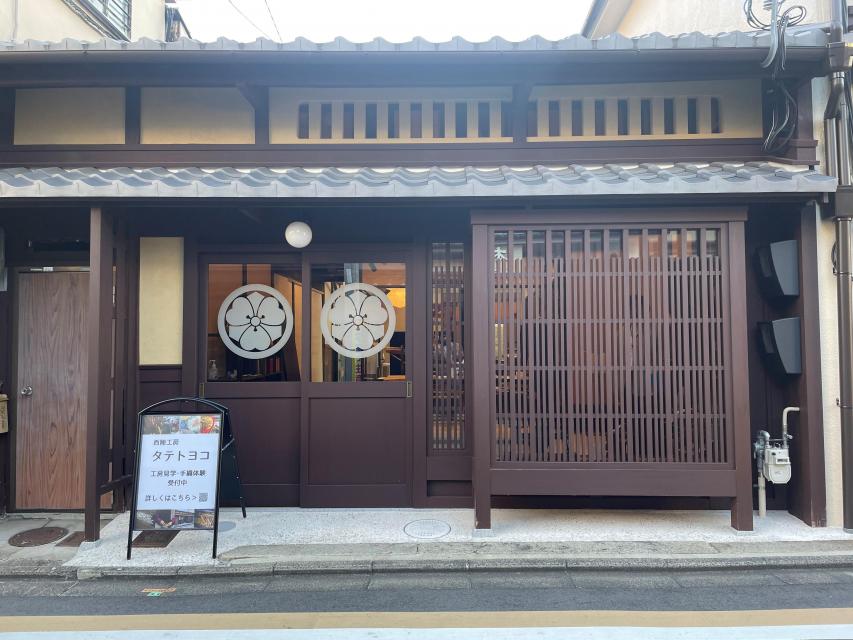
西陣織の老舗工房見学と手織り体験【とみや織物】|【京都市公式】京都観光Navi
京都の祭りや季節の行事、アートイベント、体験・ツアー、寺院の特別公開まで。今知りたい、旬の観光情報を発信しています。
ja.kyoto.travelKyo-yuzen Hand-Dyeing — Paint a Pattern and Take Home a Kyoto Souvenir
For a hands-on encounter with Kyoto's dyeing tradition, kyo-yuzen lets you create your own keepsake. Placing color onto a pattern is a quiet process without dramatic gestures, but watching the design gradually come alive is genuinely absorbing. If Nishijin weaving is about "building with thread," kyo-yuzen feels more like "layering Kyoto's character through color."
As a cultural experience genre in Kyoto, kyo-yuzen features prominently on ActivityJapan and VELTRA's Kyoto categories — it's a well-established choice for visitors. Specific duration and pricing couldn't be lined up for an even comparison in this round, so treat this as a category where time and cost vary significantly by provider. Options range from quick color-application sessions to more ambitious artistic projects.
This works for travelers who want a physical souvenir from their own hands, anyone who enjoys detail work, and people who value a tangible memento over photos. Beginner-friendly plans are common in this category, and prior craft experience isn't needed. The time spent deliberating over colors is part of the fun — especially appealing if you enjoy focused, quiet concentration.
Location-wise, options cluster around Higashiyama and central Kyoto, making it easy to combine with temple visits. English support varies by individual plan on OTAs — some plans offer it, but it's not universal. The dyeing process is visually intuitive, though hearing about the meaning of patterns and techniques adds a real layer of enjoyment.
When booking, check what you're dyeing onto, whether you can take it home the same day, and whether drying or finishing requires extra time. Kyo-yuzen often gets lumped together as "dyeing experience," but what you end up with — and how it fits into your travel day — varies a great deal.
Pottery, where you shape clay with your hands, is one of Kyoto's most instinctively accessible traditional crafts. Kyo-yaki and Kiyomizu-yaki connect you to Kyoto's identity as a city of ceramics, with the craft sitting close to Kyoto's food culture. Think matcha bowls and small dishes — in Kyoto, food and vessels are inseparable. ActivityJapan and VELTRA both list kyo-yaki, Kiyomizu-yaki, and pottery experiences as a staple Kyoto category. For more on specific spots and kiln visits, see our article "7 Travel Destinations for Pottery Experiences and Kiln Tours." Pricing and duration vary widely by venue, so this is treated here as a category with significant plan-to-plan differences. The area most strongly associated is Kiyomizu-dera's surroundings — easy to connect with walks along Kiyomizu-zaka and Gojo-zaka. Browsing ceramic shops and then putting your hands in clay transforms pottery from something you admire to something you understand physically. English support is plan-dependent — multilingual options exist but aren't universally listed.
When booking, check whether you take the piece home that day or have it shipped, whether shipping costs extra, and how the finishing process works. This isn't a type of experience where you walk away with something immediately — choosing it as "a memory that arrives after you get home" sets the right expectation.
Japanese Sweets / Fresh Yatsuhashi Making — 60 Minutes of Satisfaction for 1,300 Yen
For anyone drawn to Kyoto through food, making Japanese sweets — especially fresh yatsuhashi — is as approachable as cultural experiences get. The scent of the flour, the softness of the steamed dough, the texture of wrapping the filling: all five senses get a piece of Kyoto. You're not just eating something someone else made — shaping it yourself and then tasting your own creation closes the loop in a way that bumps satisfaction up naturally.
The fresh yatsuhashi-making experience at Yatsuhashi-an to Shishuya-kata, featured in Tokyu Hotels' tabit special, costs 1,300 yen (~$9 USD) for 60 minutes with a minimum of 2 participants. An hour to completion, accessible pricing, and unmistakable Kyoto character — the numbers balance well, making this easy to slot into a first-timer's itinerary. The sweet aroma building as you work softens the whole mood of your travel day.
This suits couples, families, friend groups, and anyone who likes eating as an experience. Beginner-friendliness is very high, and it's easy for people of any age to picture themselves participating. Compared to craft-based experiences, the instructions are simpler to follow, and even without perfect English, the enjoyment comes through.
Locations vary by venue, but many are conveniently situated within central Kyoto sightseeing routes, and they double as reliable rainy-day options. English support didn't turn up as consistent information in this round — expect it to vary by plan. Food-based cultural experiences communicate a lot through action, keeping the participation barrier relatively low.
When booking, look at minimum participant requirements, whether you take anything home, and how the tasting portion works. Within Japanese sweets as a whole, nerikiri-style and yatsuhashi-style sessions give quite different impressions, but both deliver on the promise of "touching Kyoto's sweet culture."
Maiko and Geiko Experiences — Understand the Difference Between Transformation, Performance, and Ozashiki
Maiko and geiko experiences are both the most misunderstood and the most otherworldly category in Kyoto. Choosing by category name alone leads to mismatches. Whether you're transforming into a maiko yourself, watching a real maiko perform, or participating in ozashiki parlor games produces entirely different experiences in content, price, and duration. Hoping for a chance street encounter is part of Kyoto's romance, but for consistent satisfaction, a booked experience wins every time.
"Transformation" means you become the maiko — costume, dressing, makeup, and photo shoot. The photographic keepsake value is the highest of any type. Sample plans on ActivityJapan show 14,000 yen (~$93 USD, before tax) for about 2 hours 45 minutes, and 24,000 yen (~$160 USD, before tax) for about 3 hours. Per-hour, that's roughly 5,000–8,000 yen (~$33–53 USD). With dressing and photography included, this is a main-event experience that claims a solid afternoon block. It suits travelers who center their trip around photos, birthday or anniversary trips, and groups of women traveling together. Beginners can participate, but the cost and time commitment are the heaviest among all eight categories here.
"Performance shows" let you watch the dance and artistry. At Utage, for example, a maiko show runs every Monday, Wednesday, and Saturday from 15:45 to 16:30. No costume change needed — you can simply sit and absorb. This works for travelers curious about Kyoto's geisha district culture without wanting a full makeover. The predictable duration makes scheduling straightforward.
"Ozashiki" goes a step further — spending time with maiko and geiko through conversation, dance, and traditional parlor games. The cultural density is high, but so is the barrier to entry. Rules and included activities vary widely between venues, and this is genuinely a separate genre from the photo-focused transformation experience.
The main area is Gion. Expectations naturally gravitate toward the nighttime entertainment district, but for an actual experience, booking is more practical than hoping. English support varies significantly by plan — performance-oriented and tourist-focused plans tend to offer it, while ozashiki experiences rely more heavily on language comprehension.
Booking considerations are more numerous in this category than any other. For transformation, whether the plan includes a neighborhood stroll or stays studio-based, whether photo data is included, and what additional photography options cost all shape the outcome. For performances and ozashiki, misreading what's included can skew expectations quickly. If you're drawn by the intensity of Kyoto atmosphere, this category delivers — but sorting out whether you want to watch, become, or share the moment at the start makes choosing much easier.
Beginner Comparison Table — Pricing, Duration, English Support & Booking Ease
Comparison Table
Category names alone make it easy to get stuck, so here's a side-by-side of the factors first-timers tend to care about most. Whether you want a quick addition to your day, prioritize English guidance, or need a straightforward booking process will point you toward very different experiences. In Kyoto especially, even within "tea ceremony," "maiko," or "Nishijin weaving," the weight of each session varies by venue — filtering by time per session and booking method is more useful than filtering by genre.
| Experience | Approx. Price | Duration | Indoor/Outdoor | English | Booking Ease | Cancellation |
|---|---|---|---|---|---|---|
| Nishijin Textile Assoc. Hand-Weaving | 2,530 yen (~$17 USD, tax incl.) / Students 2,200 yen (~$15 USD, tax incl.) | ~40 min | Indoor | Unconfirmed | Availability inquiry | Confirm on official page |
| Tomiya Orimono Studio Tour + Weaving | Adults 4,250 yen (~$28 USD) / Students 3,920 yen (~$26 USD) | ~1–2 hrs | Indoor | Unconfirmed | Availability inquiry | By 7:59 AM, 3 days prior |
| Fresh Yatsuhashi Making | 1,300 yen (~$9 USD) | 60 min | Indoor | Unconfirmed | Availability inquiry | Confirm with venue |
| Zazen (Zen Meditation) | 2,000 yen (~$13 USD, suggested donation) | ~80 min | Indoor | Unconfirmed | Availability inquiry | Confirm with venue |
| Tea Ceremony | Varies by venue | Varies by venue | Indoor | Available / Varies | Instant booking / Inquiry / Phone-email only | Confirm with venue |
| Maiko Transformation | 14,000–24,000 yen (~$93–160 USD, before tax) | ~2h45m–3h (examples) | Indoor | Varies by venue | Instant booking | Confirm with venue |
| Maiko Performance Show | Varies by venue | 15:45–16:30 (example) | Indoor | Varies by venue | Inquiry / Instant booking | Confirm with venue |
| Shichimi Spice Blending / Plum Wine-Syrup Making | 1,100 yen / 1,100–3,300 yen (~$7–22 USD) | 20 min / ~45 min | Indoor | Unconfirmed | Availability inquiry | Confirm with venue |
Looking at the table, the quickest additions under one hour are short-format Nishijin weaving, shichimi blending, and fresh yatsuhashi. They slip into a sightseeing day without disrupting flow and work on rainy days. On the other end, maiko transformation carries strong keepsake value but demands more time and budget — it makes sense as a half-day anchor experience.
Price ranges also tell a story. Making-oriented experiences start from the 1,000-yen (~$7 USD) range, while Nishijin weaving with a studio tour climbs into the 4,000-yen (~$27 USD) tier. Maiko transformation, with dressing, makeup, and photography included, lands roughly in the 5,000–8,000 yen (~$33–53 USD) per-hour range — positioned clearly as a "memory-making" experience within Kyoto's options.
Legend and How to Read This Table
This table is a quick-filter tool for beginners deciding before they book. It's designed for checking "does this fit my trip?" rather than diving into every detail.
"English" marks venues confirmed to offer English guidance as Available, those with significant venue-to-venue variation as Varies by venue, and those without clear confirmation in this research round as Unconfirmed. Among Kyoto's cultural experiences, the importance of language support shifts: sweet-making and weaving communicate through action, while tea ceremony and maiko-related experiences grow significantly richer when you understand the explanations.
"Booking Ease" uses these categories:
- Instant booking: You can complete a reservation on the spot through an OTA or similar platform
- Availability inquiry: Booking requires a response or availability confirmation from the venue
- Phone-email only: No online completion; coordination happens through direct communication
"Cancellation" lists specific deadlines only where confirmed. Among the experiences compared here, Tomiya Orimono's 7:59 AM three days prior is the one with a clearly visible figure. Others are individually set, so the table marks them as Confirm with venue. For first-timers, this column alone reveals the gap between "easy to book casually" and "commit once your schedule is firm."
As a rule of thumb: under 1 hour suits gaps between sightseeing, 1–2 hours works as part of a half-day plan, and around 3 hours becomes the centerpiece of your day. Food experiences carry satisfaction through aroma and tasting. Nishijin weaving delivers a tangible sense of accomplishment even in a short session. Maiko experiences lean on photos and a sense of occasion. Tea ceremony and zazen derive their value from the quality of the quiet time itself. Layering what you want to take away from the experience onto the numbers makes this table far more useful.
Which Experience Suits You Best
Couples and Anniversary Trips
If you want to share a moment of "practicing the same gestures together," tea ceremony has a natural fit. Following the same quiet sequence — handling the bowl, receiving the sweet, observing the ritual — creates a kind of intimacy that's different from chatty experiences. Photos from these sessions tend to come out naturally elegant, with matcha, sweets, tatami, and tea room atmosphere composing a frame that suits the occasion.
For a stronger dose of the extraordinary, maiko performance shows or other maiko-related plans work well. Sharing the sight of ornate costumes, dance, and Kyoto's distinctive atmosphere in person creates a memory deeper than standard sightseeing. For couples who want Kyoto's character to be the star of their trip, tea ceremony and maiko-related experiences offer two clear directions: tea ceremony for a composed, intimate mood; maiko-related for spectacle and excitement.
Solo Travelers
When walking Kyoto alone, experiences that embrace stillness tend to resonate. Zazen is the prime example — it lands harder on a day when you want to reset your breathing and mood rather than racing between landmarks. Sitting quietly inside a temple is the kind of memory that lives in a separate register from the sights you visited. For solo travelers who want one reflective moment woven into their trip, this is where to look.
On the other hand, if you're a solo traveler looking to make smart use of downtime, short-format Nishijin weaving fills gaps beautifully. A 30–40 minute session fits between a morning walk and lunch, or in the space before your next plan, and the barrier to joining alone is low. You'll find yourself focused before you realize it, and despite the brevity, you walk away with a genuine "I did something in Kyoto" feeling. For solo trips, zazen for centering and Nishijin weaving for tempo make a strong pair.
Families and Kids
Family-friendly experiences tend to be the ones where you eat or take something home, rather than just watching. Japanese sweet-making and fresh yatsuhashi fit this well — the textures, the sweet smells, and the hands-on process keep kids engaged. The fresh yatsuhashi experience at 1,300 yen (~$9 USD) for 60 minutes with a minimum of 2 people slots into parent-child or small-family itineraries naturally. Tasting what you just made rounds out the arc of a "learn it through food" Kyoto experience.
If you'd prefer something that leaves a lasting physical object, pottery also leans family-friendly. Having your travel memory show up as a usable piece rather than just photographs extends the experience well past the trip. With very young children, food experiences tend to get the strongest immediate reactions. Once kids are a bit older, making-focused experiences like pottery carry more weight. For sharing a taste of Kyoto as a family, the choice between edible (sweets) and keepable (pottery) is a clear framework.
Rainy Days or Short on Time
For weather-proof options, indoor-centered experiences like tea ceremony, Nishijin weaving, pottery, and sweet-making are strong candidates. Rainy days in Kyoto slow down foot travel, but once you're inside one of these experiences, you can settle in comfortably. Sometimes the damp air actually enhances the atmosphere of a tea room or workshop — a different quality that sunny days don't offer.
If time is the priority, the Nishijin Textile Industrial Association's 30–40 minute workshops are the top contenders. They fit into sightseeing gaps, and "short" doesn't mean "thin" — the focused act of weaving fills the minutes well. For travelers hunting a quick experience, the "brief but satisfying" sensation hits the right note. When you want a piece of Kyoto in under an hour, Nishijin weaving is an efficient pick.
For travelers who want unmistakable Kyoto character on a rainy day, tea ceremony and maiko-related experiences are especially fitting. Both stay indoors, and on a day when strolling is difficult, they anchor your trip's impression solidly. Travelers drawn to elegance and atmosphere will find these two categories particularly resonant.
International Visitors / English Support Priority
If you're traveling with someone from overseas, tea ceremony with English explanation tends to be the safest bet. Whisking matcha and observing the tools is beautiful even in silence, but having the context explained in English elevates the experience a full level. Venues like Tea Ceremony Kyoto Nagomi, which market their English sessions prominently, help visitors move beyond "I experienced it" toward "I understood it."
For international visitors, whether an experience communicates Kyoto's identity is also a deciding factor. Tea ceremony scores well here too — tatami, matcha, Japanese sweets, and omotenashi (hospitality) converge in a single session, giving a cohesive first encounter with Japanese culture. Maiko-related experiences offer powerful visual impact, but when understanding the context matters, the quality of explanation directly shapes satisfaction.
ℹ️ Note
When prioritizing English support, look beyond spoken language to whether written materials and reference guides are available as well. Experiences that provide both tend to deliver more consistent satisfaction.
For guests you want to show a thorough taste of Kyoto, building around tea ceremony and adding a maiko performance when time allows creates a clean arc. Eating, watching, and learning the gestures connect naturally, and for a first-time visitor, Kyoto's culture lands in three dimensions.
Booking Tips and Day-of Pointers
The biggest variable in booking is scheduling. During cherry blossom season, autumn foliage, Golden Week, and summer holidays in Kyoto, popular experience slots fill up first. Tea ceremony and maiko-related sessions — the ones that most strongly say "Kyoto" — move fastest, especially time-specific plans. In peak season, rather than fixating on a single slot, having both a first and second choice for date and time is more practical. It makes rearranging your overall itinerary easier — if the morning is full, try the afternoon; if day one doesn't work, shift to day two.
If language support matters, go beyond the booking page's "English available" label and check whether there's a multilingual booking form and whether English guidance is provided during the session itself. Kyoto's cultural experiences become richer when you can hear the meaning behind the gestures and tools, not just observe them. When traveling with someone from overseas, the difference between English-only printed materials and English-speaking staff reshapes the experience. If you anticipate needing interpretation, communicating that at the booking stage helps the day run smoothly.
Clothing depends on the experience. For tea ceremony, clean casual wear is usually sufficient — formal attire isn't expected — and white socks feel natural. Tea room sessions involve removing shoes, so thinking through your socks in advance adds a layer of comfort. Strong perfume can interfere with the subtle scents of tea and sweets, so lighter is better. For zazen, posture maintenance matters more than appearance, so loose, flexible clothing works best. Maiko transformation tempts you to prioritize aesthetic choices, but practically speaking, easy makeup removal and the shape of the undergarments you wear beneath the costume smooth out the preparation process.
For arrival, plan to show up 10–15 minutes early. Cultural experiences in Kyoto aren't theme-park-style check-ins — they often take place inside machiya townhouses, temple compounds, or workshop corners, where the entrance can be subtle. Machiya-style venues especially may have understated signage, so saving the map link or meeting point instructions from your booking confirmation ahead of time prevents confusion. Even a few minutes late, joining after the explanation has started can be difficult in some sessions.
Cancellation policies are easy to overlook but carry real impact in Kyoto's cultural experience scene. Tea ceremony often runs at 50% the day before and 100% same-day, while workshop-style tours use completely different structures. Tomiya Orimono's Nishijin weaving studio tour, per Kyoto Kanko Navi, sets the deadline at 7:59 AM three days prior. Same cultural umbrella of "Kyoto experience," very different cancellation weight. Shorter sessions don't necessarily mean lighter policies — small-group or preparation-intensive plans sometimes have stricter terms.
Photography is worth checking before you book. Inside tea rooms and temples, photography may be restricted or limited to certain areas out of respect for the space and other participants. Some sessions allow photos only after the experience ends. Maiko transformation is the opposite — photos are often the main attraction, so check what's included in the base price. Photo package options, number of digital files, and add-on costs can make the difference between "got great shots" and "wished I'd known earlier."
💡 Tip
White socks for tea ceremony, comfortable clothes for zazen, and undergarment planning plus makeup remover for maiko transformation — preparing these details stabilizes your day-of satisfaction. On the booking screen, scan for English support, meeting point, and photography rules to minimize surprises on arrival.
Getting More from Kyoto's Cultural Experiences — Neighborhood Routes
An experience lands harder when you plan the walk before and after as a single flow rather than treating it as an isolated event. Most cultural experiences in Kyoto are indoors, but stepping outside into Kyoto's streetscapes, walking stone-paved lanes with the sweetness of wagashi still on your palate, or ducking into a machiya cafe while the workshop afterglow lingers — that's where the full impression takes shape. In practical itinerary terms, budgeting about 30 minutes before and after for travel, check-in, and settling your mood keeps the day from feeling rushed.
Higashiyama — Walking After Tea Ceremony Lets You Taste the Atmosphere
Higashiyama is the easiest area to build around for first-time cultural experience visitors in Kyoto. Starting with a roughly 60-minute tea ceremony in the morning, then flowing toward Kiyomizu-dera, Ninenzaka, and Sannenzaka, lets you carry the quiet awareness from matcha and sweets directly into your walk. The stone-paved slopes, wooden lattice facades, and soft morning light during that time window naturally extend the gestures and bowls you just encountered in the tea room.
What makes this sequence work is that you're not just "seeing" famous sites — the hospitality and seasonality you heard about in the tea room start echoing in Higashiyama's scenery. If you stop at a sweet shop, sipping something while the matcha impression is still fresh creates a nice continuity of Kyoto food culture. For pairing ideas, see our articles "Top 10 Street Food Sightseeing Spots — Etiquette and How to Choose" and "Top 5 Kimono Rental Walking Spots — Beginner Comparison" (/column/tabearuki-kankou-spot-best, /column/kimono-rental-machiaruki-spot).
Gion — Zazen's Stillness Flows into the Evening Scenery
In Gion, fitting zazen into the afternoon for about 80 minutes and then walking from Hanamikoji toward Yasaka Shrine as dusk falls creates a beautiful sequence. After zazen, your attention turns slightly inward, and even returning to the center of busy sightseeing, the scenery registers differently. The sound of footsteps on stone, the glow of lanterns, the particular evening calm of Gion — all of it feels like an extension of the meditation.
If you have time into the evening, adding a maiko performance show is an option. Utage's maiko show runs every Monday, Wednesday, and Saturday from 15:45 to 16:30, fitting naturally into a Gion area stroll. Touching stillness through zazen and then witnessing the vibrancy of performing arts culture gives you both the "quiet" and "dynamic" sides of Kyoto in a single day. Natural connections for further reading include Gion evening walk articles, Hanamikoji guides, and Yasaka Shrine area features.
Nishijin — After Making Something, the Neighborhood's Story Opens Up
Nishijin is the area where craft experiences and local history connect most naturally. For a morning weaving session, the Nishijin Textile Industrial Association's creative workshop at about 30 minutes for 1,540 yen (~$10 USD, tax included) or hand-weaving at about 40 minutes for 2,530 yen (~$17 USD, tax included) works for a light touch. For more depth, Tomiya Orimono's studio tour and hand-weaving — listed on Kyoto Kanko Navi at 1–2 hours, 4,250 yen (~$28 USD) for adults, 3,920 yen (~$26 USD) for students — offers the fuller picture. Quick encounter or deeper dive: that choice shapes your half-day.
After the experience, heading toward Kitano Tenmangu Shrine or settling into a Nishijin machiya cafe fits the mood. Right after weaving, the lattice-fronted townhouses and the exteriors of weaving workshops stop being scenery and start being context. Even a coffee break with something sweet carries a trace of the hand-work you just finished. Walking Nishijin, I always get the sense that this is less a tourist area and more an extension of Kyoto's working life. Natural connections for further reading include Kitano Tenmangu area articles, Nishijin machiya cafe features, and Nishijin walking guides.
Arashiyama — Layering Scenery with Sweets Brings Out the Travel Mood
Arashiyama is where experiences like sweet-making or pottery connect naturally to the landscape. Working with your hands indoors and then stepping out to the bamboo grove or Togetsukyo Bridge turns the trip into something that goes beyond photos. Walking along the river with the sweet memory of yatsuhashi still in your senses carries a softness that's distinctly Arashiyama. With pottery, the shift in how you look at ceramic cups when you enter a tea house afterward adds its own layer of enjoyment.
Arashiyama's strength is adaptability to weather. Clear skies let you lead with the bamboo grove and Hozu River scenery. Rain shifts the weight to indoor experiences, keeping travel distances short. The area is known for its views, but in practice, what you experienced before the walk is what shapes your satisfaction. Natural connections for further reading include Arashiyama walking articles, bamboo grove path features, and Arashiyama sweet shop guides.
ℹ️ Note
Building 30 minutes of buffer on each side of a Kyoto experience dramatically improves how smoothly your day runs. A moment to settle your breathing at check-in, and time to walk to a nearby temple or sweet shop afterward — that's all it takes for an itinerary to start feeling genuinely like Kyoto.
Thinking about bookings by area makes planning cleaner. Higashiyama and Gion pair well with temple sightseeing, Nishijin anchors a half-day around craft, and Arashiyama layers scenery with sweets. Rather than inserting an experience as an isolated point in your itinerary, designing the walk before and after as part of the same arc is what makes Kyoto's cultural experiences stay in your memory.
Summary and Next Steps
Kyoto's cultural experiences span a wide range from quick add-ons to half-day commitments, which means you can match the intensity to your schedule. Start by deciding whether your day calls for "one experience in about an hour" or "half a day built around a highlight" — that single choice narrows the field fast.
Before booking, check the scope of English guidance and cancellation terms on official pages — it keeps things clear even when traveling with companions. Deciding which area — Higashiyama, Gion, Nishijin, or Arashiyama — you'll base the experience in also helps, because then the walks and sweet stops before and after start forming a Kyoto-worthy day on their own.
Pricing, session dates, and English availability shift by venue, so one last check right before booking gives you peace of mind. Nishijin Ori Kaikan and related venues in particular show some pricing variation, so comparing with the venue name in mind helps you avoid surprises.
Related Articles
How to Choose a Cultural Experience in Japan: Finding the Real Thing
When choosing a cultural experience in Japan, look beyond photo ops and name recognition. The best experiences connect to local life, festivals, crafts, and food traditions. From tea ceremony and wagashi to kimono, crafts, regional cuisine, and festivals, options span every interest. Kyoto excels at conveying quintessential Japanese culture, Tokyo offers quick English-friendly access, and rural areas bring you closest to living traditions.
5 Best Kimono Rental Walking Spots in Japan (2026) — Picked for Photo Quality and Walkability
If you're trying kimono rental for the first time in Japan, skip the cheapest option and focus on two things first: whether the backdrop is worth photographing, and whether the walking route is manageable in zori sandals. This guide compares five beginner-friendly areas across Kyoto, Asakusa, and Ginza, then maps out the full flow from check-in to strolling, shooting, and returning the kimono — ready to drop straight into your itinerary.
5 Best Temples for a Morning Zazen Experience in Japan
Sitting quietly in a temple before sunrise, focusing on nothing but your breath -- it is the perfect reset before a day of sightseeing. This guide compares five temples across Japan where beginners can try morning zazen (seated Zen meditation): Engakuji, Nanzenji, Daihonzan Eiheiji, Sotoshu Shumuchou, and Kasuisai. We cover session times, reservation requirements, duration, fees, and extras like calligraphy and tea.
7 Best Destinations for Pottery Experiences and Kiln Town Visits in Japan
Visiting kiln towns and trying pottery workshops in Japan goes far beyond buying ceramics. Each production area, from Mashiko and Shigaraki to Hasami and Arita, has its own distinct character. Whether you choose hand-building or the electric wheel also shapes your satisfaction. The author visited multiple pottery regions in February 2026 (visit period: February 2026).